Home battery belgium
Enphase home battery: price and review
An Enphase battery stores excess solar energy using modular lithium iron phosphate technology, offering reliable backup power and significantly increasing self-consumption from your solar panels. Systems like the Enphase Battery 5P and Enphase Battery 10T feature integrated microinverters, smart monitoring, and scalable capacity. Typically, households can boost their self-consumption from around 30% to over 70% after installing this storage solution.
This guide explains how these batteries operate, explores available models, outlines pricing, and helps you decide if this investment suits your home energy needs.
How does an Enphase battery work exactly?
An Enphase battery system stores electricity in modular units that contain integrated microinverters. These microinverters convert energy between direct current (DC) and alternating current (AC) at the level of each battery unit, allowing each module to function independently. This design enhances reliability because the failure of one module does not compromise the entire system’s operation.
The battery system connects directly to your existing solar installation and the power grid. The Enphase approach differs from traditional batteries by employing a distributed architecture instead of relying on a central inverter, which often improves safety and uptime.
What makes the distributed architecture unique?
Distributed architecture means every battery module includes one or more bidirectional microinverters that handle energy conversion locally. This setup improves the system’s resilience because if one microinverter fails, the remaining units continue operating seamlessly. Such distribution increases safety and maintains power supply continuity during faults.
How does energy management and monitoring function?
The system includes a mobile app that displays real-time energy flow, battery status, and your consumption patterns. Features like automatic load control optimize battery use, while Storm Guard technology pre-charges the battery in anticipation of severe weather, enhancing backup readiness during outages.
Which Enphase battery models and capacities are available?
Enphase offers multiple battery models that vary in storage capacity, power output, and system generation to accommodate different household sizes and energy requirements.
- Enphase Battery 5P - Provides 5 kWh of usable capacity with a high power output up to 3.84 kW.
- Enphase Battery 10T - A 10 kWh system based on modular battery units for scalable energy storage.
- Enphase Battery 10C - A newer generation model with enhanced system integration features.
- Enphase 15 kW systems - Multi-unit configurations designed for high consumption homes.
What is the Enphase battery capacity range?
The capacity of Enphase battery systems begins at approximately 3.5 kWh and can be expanded modularly up to 70 kWh. You can combine multiple units flexibly without strict sizing limitations when using compatible microinverters, allowing the system to grow with your energy needs.
Is a 10 kWh Enphase battery sufficient?
A 10 kWh Enphase battery setup suits households with moderate electricity use and solar generation. It typically covers evening consumption needs and can handle partial backup loads during outages. Larger homes can benefit from installing additional battery units for increased capacity and backup power.
What is the price of an Enphase battery?
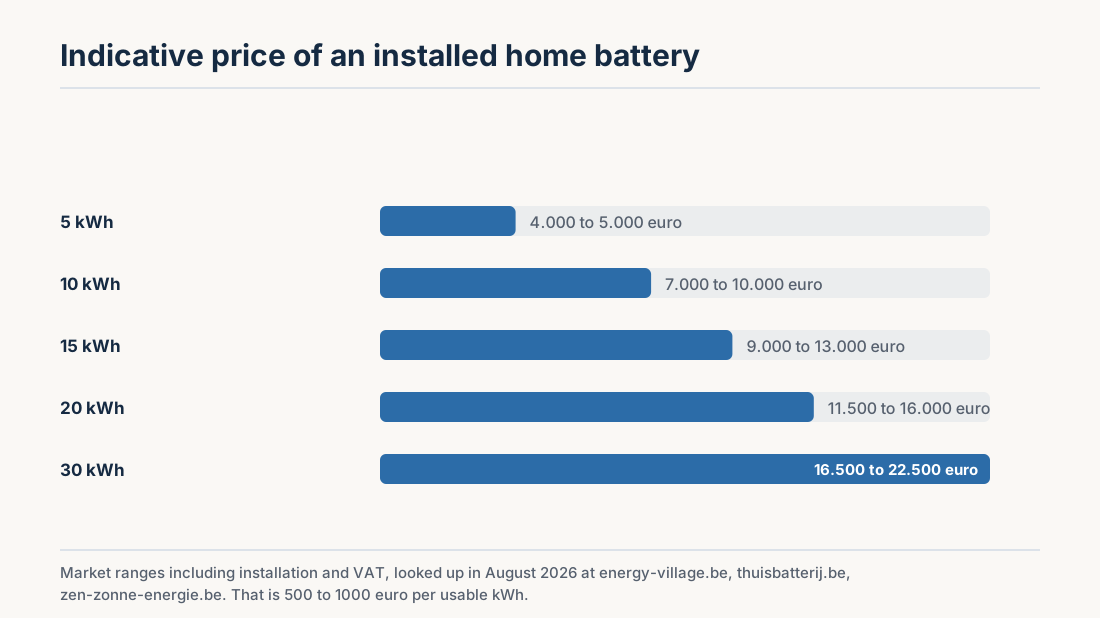
The price range for Enphase batteries varies from approximately €4,000 to €12,000 incl. VAT, depending on the battery capacity, system configuration, and installation complexity.
Common price points include:
- 5 kWh system: €4,000 - €5,000 incl. VAT
- 10 kWh system: €7,000 - €10,000 incl. VAT
- 15 kWh system: €9,000 - €13,000 incl. VAT
Calculation example for a full system
A typical installation involves several components and related costs, including:
- 10 kWh battery unit: €7,500
- Gateway and monitoring hardware: €800
- Installation and wiring services: €1,500
- Electrical system upgrades: €600
This totals approximately €10,400 incl. VAT for a fully functional system. For a broader comparison, you can refer to home battery pricing insights.
In which situations does an Enphase battery make the most sense?
Installing an Enphase battery is especially advantageous if you want to maximize the use of your solar energy and decrease reliance on the power grid. It benefits households with solar panels and significant electricity consumption during evening hours.
When does it improve self-consumption?
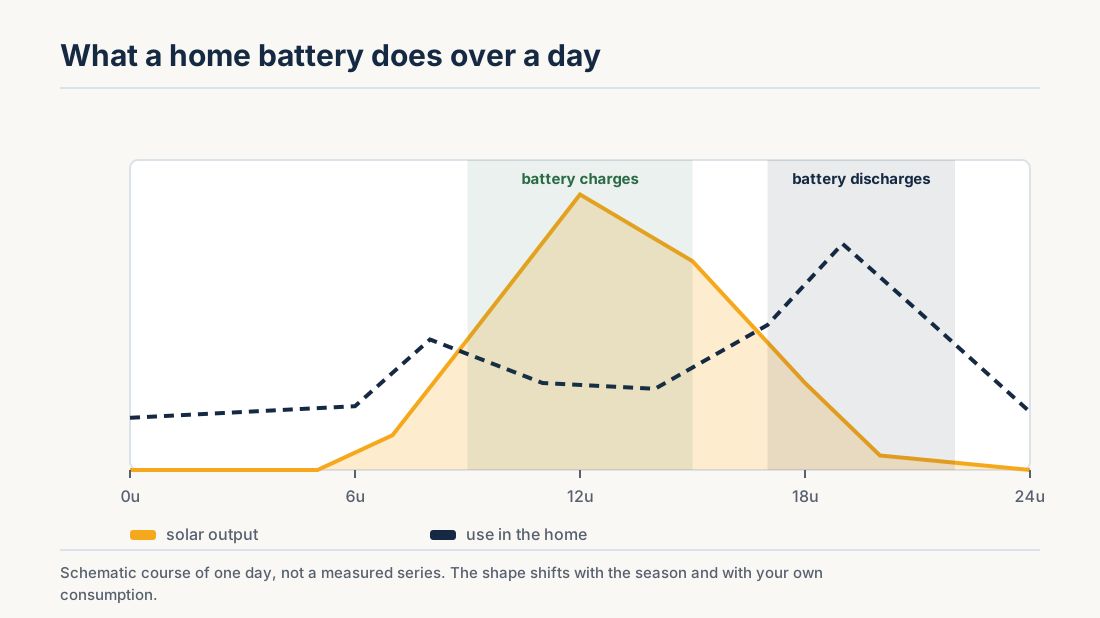
The Enphase battery system can increase your solar energy self-consumption from approximately 30% to over 70%, allowing you to use more stored solar energy instead of exporting it to the grid.
Can it work with dynamic energy tariffs?
Yes, the system supports smart charging strategies that take advantage of dynamic energy tariffs. It charges when electricity prices are low and discharges when prices rise, helping you save on energy bills. Learn more about this feature at dynamic tariff battery usage.
What are the pros and cons of an Enphase battery?
The strengths of Enphase batteries include their high safety standards, modular scalability, and strong reliability due to distributed microinverter architecture. Additionally, the lithium iron phosphate chemistry used in these batteries reduces fire risk and extends lifespan up to 15 years.
On the downside, Enphase batteries typically cost more per kilowatt-hour compared to some other alternatives, and full functionality depends on staying within the Enphase ecosystem.
For an in-depth evaluation, see our battery profitability analysis.
How does an Enphase battery compare to a Tesla alternative?
Enphase batteries excel in modular flexibility and system reliability, while Tesla batteries often focus on delivering larger single-unit capacity. The Enphase system’s distributed approach reduces single points of failure and allows you to scale your system easily as your energy needs grow.
When is an Enphase battery a worthwhile choice?
An Enphase battery is a valuable option if you prioritize system reliability, safety, and the ability to expand your energy storage over time. It is especially suitable for homes planning to increase energy demands or make use of dynamic tariffs.
When might an Enphase battery not be the best fit?
If your main goal is minimizing upfront costs per kWh or you want a simple, single-unit battery without plans for expansion, alternative battery systems could better meet your needs.
Frequently Asked Questions
What is the price of an Enphase battery system?
The cost of an Enphase battery system depends on the capacity and complexity of installation. Most systems range from €4,000 to €12,000 incl. VAT. Smaller systems support daily energy usage, while larger setups provide backup power and greater independence from the grid.
Is an Enphase battery suitable for small homes?
An Enphase battery fits small homes effectively when solar production exceeds daytime electricity consumption. A 5 kWh unit often covers evening demand, and its modular design allows for convenient expansion, making it a sound investment even for smaller households.
What is the price difference between 5 kWh and 10 kWh systems?
The typical price difference ranges from €2,000 to €4,000 incl. VAT. Larger systems store more energy and further reduce your reliance on the grid, which can lead to better savings over time.
Can an Enphase battery work without solar panels?
Yes, Enphase batteries can charge from the grid without solar panels. This is useful if you have access to dynamic energy tariffs where prices vary throughout the day. However, combining the battery with solar panels delivers the highest savings and energy independence.
What factors influence the price of an Enphase battery most?
The main price drivers include the battery capacity, the complexity of the installation, and additional components such as gateways and monitoring hardware. Systems with backup power capability and smart energy management generally require a higher investment.
Choosing an energy storage solution depends on how you consume electricity at home and how much control you desire over your power use. The Enphase battery stands out for its modular design, excellent safety features, and reliable performance, especially during power outages. If you plan on expanding your system or taking advantage of dynamic tariffs, this solution fits very well. I recommend requesting multiple quotes through Soleva to compare actual installation prices and select a system tailored to your energy consumption patterns.
Frequently Asked Questions
What is the price of an Enphase battery system?
The price of an Enphase battery system varies based on capacity and installation details. Commonly, systems cost between €4,000 and €12,000 incl. VAT. Smaller models focus on everyday consumption, while larger configurations offer backup power and more independence from the grid.
Is an Enphase battery suitable for small homes?
An Enphase battery fits small residences well when solar energy production surpasses daytime consumption. A 5 kWh model typically meets evening electricity needs. Its scalable design also allows for easy future expansion, making it a practical long-term investment.
How much more does a 10 kWh system cost compared to a 5 kWh system?
Typically, a 10 kWh battery system costs €7,000 to €10,000 more than a 5 kWh system, incl. VAT. The larger capacity allows greater energy storage, leading to higher savings and reduced grid reliance over time.
Can an Enphase battery function without solar panels?
Yes, Enphase batteries can operate without solar panels by charging directly from the electricity grid. This configuration suits users with variable electricity rates. Still, combining the battery with solar panels yields superior savings and energy self-sufficiency.
What influences the price of an Enphase battery most?
The cost mostly depends on battery size, installation complexity, and additional equipment such as gateways or monitoring systems. Options that include backup power or advanced energy management features will increase the overall investment.
Indicative prices for the Belgian market, checked in August 2026 against energy-village.be, thuisbatterij.be and zen-zonne-energie.be. These are market ranges for an installed system including VAT, not a quotation: your price depends on capacity, brand and the state of your existing installation.
Read also
Ready to cut your energy bill?
Compare quotes for solar panels, home batteries and charging points.