Home battery belgium
home battery pros and cons explained
Understanding the pros and cons of a home battery can help you decide if storing your own electricity will reduce your energy bills and increase your independence from the grid. Modern home battery systems store excess solar energy or inexpensive off-peak electricity and release power when prices rise or outages occur. Typical home battery storage costs start around €2,500 incl. VAT, depending on capacity and setup.
Many homeowners combine batteries with solar panels to boost self-consumption and reduce peak charges.
What are the main home battery pros and cons you should know?
The most important pros and cons of home batteries include higher self-consumption and backup power as significant benefits, while the high upfront cost and limited lifespan remain key disadvantages. A battery stores electricity for later use, which changes how your household consumes energy.
Here are the primary advantages and drawbacks:
- Pros: Increased self-consumption from 30 - 40% to 70 - 85%
- Pros: Lower electricity bills by reducing peak consumption
- Pros: Provides backup power during outages
- Cons: Starting price from €2,500 incl. VAT
- Cons: Capacity degradation over time
- Cons: Around 10% energy loss during charge and discharge cycles
Why does self-consumption matter so much?
Self-consumption means using your own generated electricity instead of exporting it to the grid. For example, in Belgium, feed-in tariffs pay about €0.05 per kWh, while grid electricity costs approximately €0.30 per kWh. This large price difference makes storing energy financially attractive.
How does a battery reduce dependence on the grid?
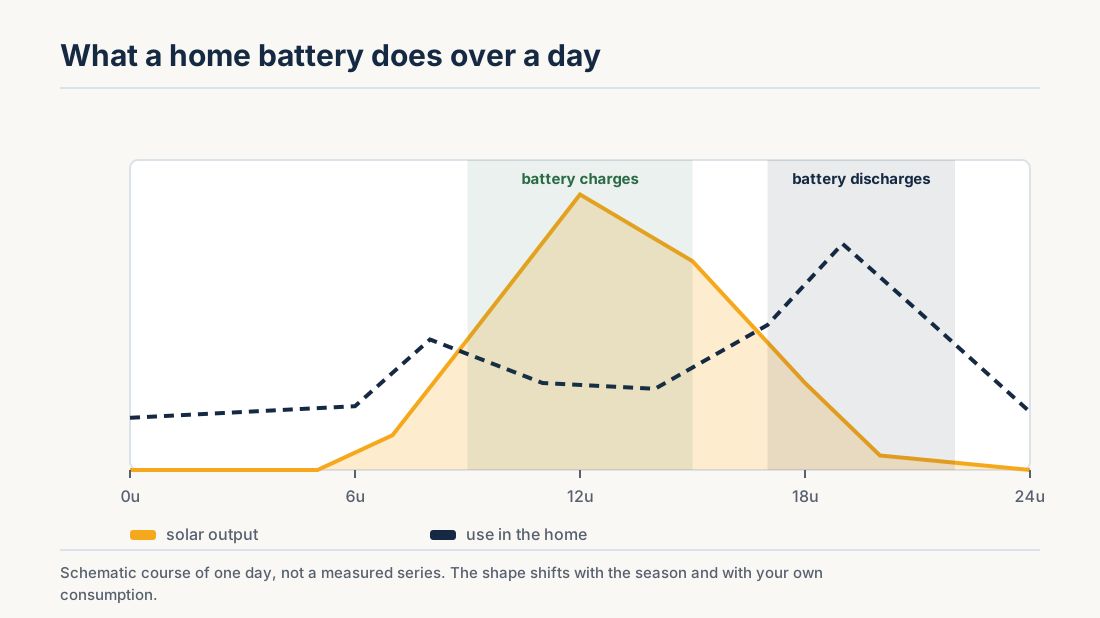
A battery stores solar energy produced during the day and supplies electricity in the evening, reducing your reliance on the grid during peak demand hours. Without storage, homes must buy most of their electricity from the grid after sunset.
How does a home battery system work with or without solar panels?
A home battery uses chemical reactions to store electricity, releasing it as usable power through an inverter. It works both with solar panels and as a storage system for homes without solar energy.
The system typically includes battery cells, an inverter, and an energy management system.
What happens inside the battery?
Most batteries use lithium-ion technology. Lithium ions move between electrodes during charging and discharging, which efficiently stores and releases energy.
Can you use a home battery without solar panels?
Yes, a home battery storage system without solar panels stores electricity from the grid during off-peak hours and uses it later when prices are higher. This allows you to benefit from time-of-use tariffs and reduce energy costs.
Learn more about system integration with solar panel systems to maximize efficiency.
Which advantages make solar home battery systems worthwhile?
The main benefits of solar home battery systems focus on savings, energy independence, and improved reliability. These benefits increase under modern energy tariffs.
How much can you save annually?
A household with a 5 kWp solar system can save around €500 to €800 per year by increasing self-consumption. Additional savings of €150 to €300 per year come from lowering peak usage charges.
Does a battery protect your home during power outages?
Yes, a battery provides electricity during outages and keeps essential appliances running, including refrigerators, lighting, and internet devices.
Can you earn money by selling stored energy?
Some systems participate in virtual power plants, which sell stored energy back to the grid during periods of high demand, generating extra income.
What are the main disadvantages of home battery storage?
Key disadvantages include high costs, limited lifespan, and efficiency losses that can affect your return on investment.
Why is the upfront investment significant?
The cost of home battery storage rises due to the price of battery units, inverter compatibility, and installation. Larger systems with multiple modules increase the total expense.
How long do home batteries last?
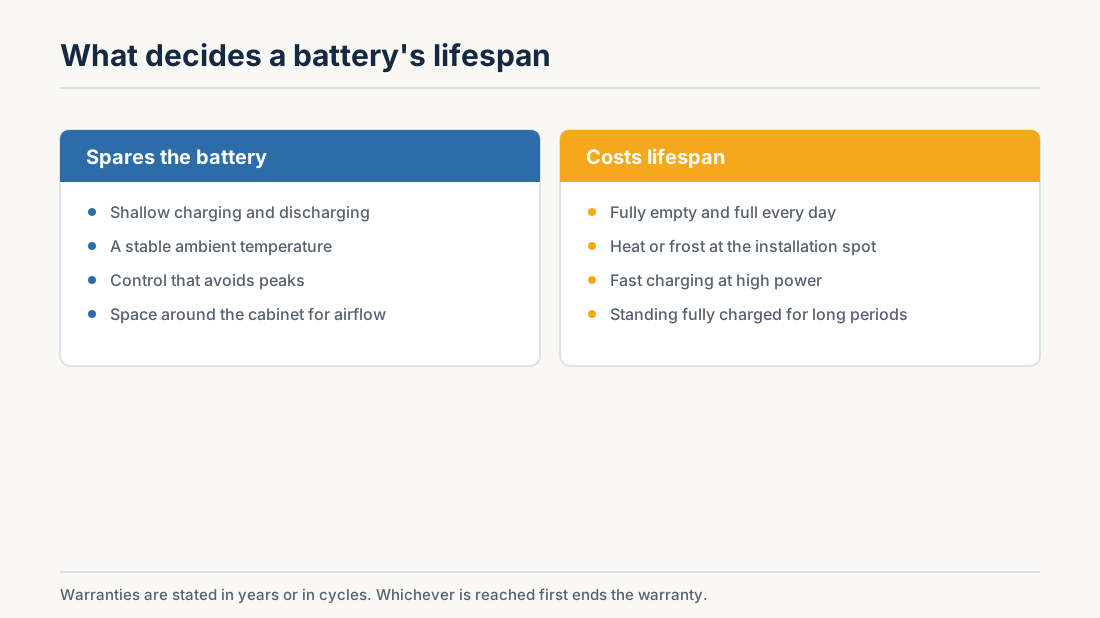
Most systems last between 10 and 15 years. Capacity gradually decreases to about 70 - 80% over time due to cycle degradation, lowering the battery’s storage capacity.
Are there environmental concerns associated with batteries?
Battery production involves materials like lithium, cobalt, and nickel. Mining and processing these materials have environmental impacts that should be considered.
What is the price of a home battery system?
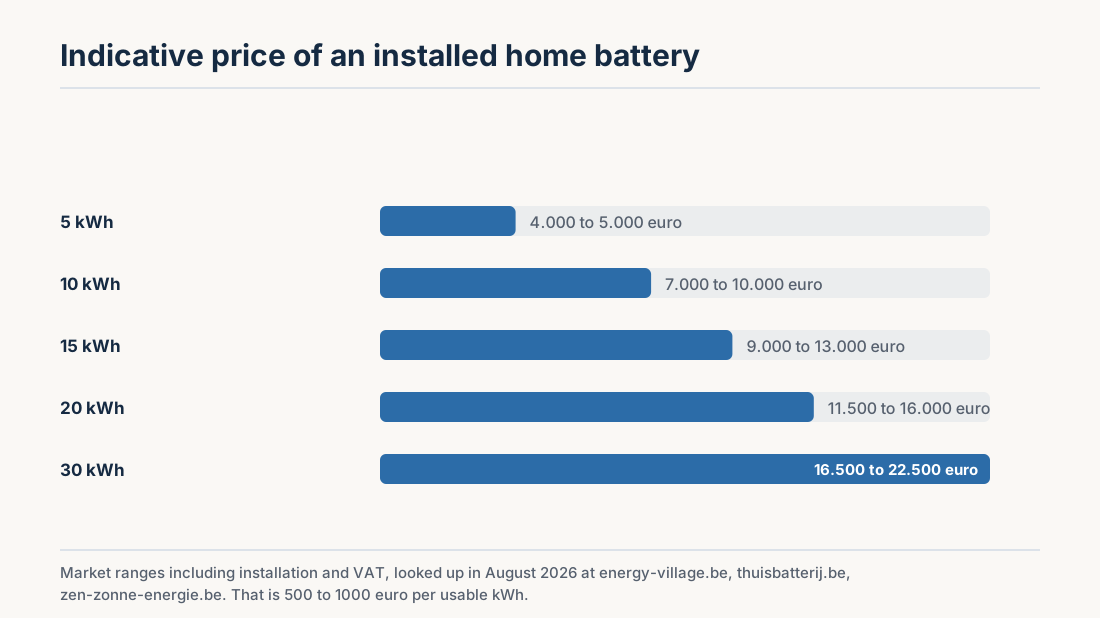
Home battery system prices range from €2,500 to €12,000 incl. VAT, depending on capacity and system configuration. Larger systems cost more because they provide higher storage capacity.
Typical price ranges include:
- 5 kWh system: €4,000 - €5,000 incl. VAT
- 10 kWh system: €7,000 - €10,000 incl. VAT
- 15 kWh system: €9,000 - €13,000 incl. VAT
Example cost breakdown for a full 10 kWh system
- Battery unit: €5,500
- Hybrid inverter: €1,200
- Installation: €1,500
- Electrical upgrades: €400
The total cost is approximately €8,600 incl. VAT.
Compare this with a complete solar panel setup to evaluate combined savings.
When is a home battery system a good choice, and when should you avoid it?
Installing a home battery is worthwhile when electricity price differences are considerable and your solar production exceeds daytime consumption. It’s less effective for households with low or steady energy use during the day.
When does a battery offer a good return on investment?
Batteries deliver the best value in homes with solar panels, high evening electricity use, and dynamic tariffs. Under these conditions, payback periods range between 6 and 8 years.
When is a home battery not the best option?
If your electricity use is low or spread evenly throughout the day, a battery may provide limited benefit since direct solar power already meets most of your demand.
Before adding storage, assess how many solar panels you need through solar panel sizing guides.
How do home batteries compare to alternatives like generators?
Home batteries offer silent, emission-free energy storage, while generators depend on fuel and emit noise and pollution. Both can provide backup power but work differently.
- Battery: Silent operation and zero emissions
- Battery: Limited capacity based on stored kWh
- Generator: Unlimited runtime with fuel supply
- Generator: Noisy operation and fuel dependency
For most homeowners, batteries are a more sustainable backup solution.
Which types of home batteries are available, and what are their advantages and disadvantages?
The most common types include lithium iron phosphate and lithium nickel manganese cobalt batteries, each with different safety and performance traits.
What are the pros and cons of lithium-ion home batteries?
Lithium-ion batteries have high energy density and compact design, offering strong performance but rely on materials that are scarce and costly.
Are there safer battery alternatives?
Lithium iron phosphate batteries provide greater safety and longer life span. While they store slightly less energy per volume, they perform better in high temperatures.
How does home battery storage perform in different regions like California or Belgium?
Home battery pros and cons in California and Belgium show similar trends. Batteries become more valuable where electricity prices vary significantly and feed-in tariffs are low.
In Belgium, batteries increase self-consumption to 70 - 85% and reduce peak electricity charges. In California, they offer protection during outages and reduce expenses associated with high peak rates.
Both regions see improved financial returns when batteries are paired with solar systems.
What insights do users share in home battery discussions?
Discussions on platforms like Reddit provide practical views from users. Most report satisfaction with the backup reliability and energy savings.
- Positive: Reliable backup during power outages
- Positive: Reduced electricity costs in the evening
- Negative: High initial cost
- Negative: Limited runtime for large appliances
These experiences align with the expected technical performance of home batteries.
How long does a 10 kWh home battery last in real use?
A 10 kWh home battery’s runtime varies between 6 and 24 hours, depending on energy consumption. Light usage extends runtime, whereas heavy appliances shorten it.
- Essential loads only: 12 - 24 hours
- Average household usage: 8 - 12 hours
- High usage including heating or electric vehicle charging: 4 - 8 hours
Battery duration depends on how much power you draw and which devices are connected.
Adding a home battery to your energy system can significantly reduce your electricity bills and increase your independence from the grid. The most substantial benefits arise from increased self-consumption and protection against peak tariffs, while the main drawbacks relate to upfront costs and gradual loss of battery capacity. If your household consumes most electricity in the evening or experiences unstable grid conditions, the advantages typically outweigh the disadvantages. Begin by analyzing your energy usage patterns and request several quotes through Soleva to compare different system sizes and prices before making your decision.
Frequently Asked Questions
Is a home battery useful without solar panels?
A home battery can operate without solar panels by storing electricity from the grid during low-price periods and using it when prices are higher. This approach helps lower energy bills under time-of-use tariffs. However, the financial benefits are generally smaller compared to systems combined with solar panels, as you do not generate your own electricity.
What is the price difference between small and large home batteries?
Small home batteries with around 5 kWh capacity generally start at about €2,500 incl. VAT, while larger systems up to 15 kWh can cost up to €12,000 incl. VAT. Higher capacity and more complex installations increase prices but also offer longer backup duration and greater savings.
How does battery degradation affect long-term savings?
Battery degradation reduces the usable storage capacity over time, usually to 70 - 80% after several years of use. This decline lowers the daily energy you can store and reuse, gradually decreasing the annual savings. It’s important to include this factor when calculating the battery’s return on investment.
Can I expand a home battery system in the future?
Many modern home battery systems are modular, enabling you to add extra battery units as your energy needs grow. This flexibility supports future upgrades, such as installing electric vehicles or additional solar panels. However, expansion depends on compatibility with your inverter and battery design, so plan ahead accordingly.
Are home batteries safe for indoor installation?
Home batteries are safe when properly installed with appropriate ventilation and certified components. Lithium iron phosphate batteries provide enhanced safety due to their stable chemistry. Ensure professional installation following electrical standards to minimize risks like overheating or electrical faults.
Indicative prices for the Belgian market, checked in August 2026 against energy-village.be, thuisbatterij.be and zen-zonne-energie.be. These are market ranges for an installed system including VAT, not a quotation: your price depends on capacity, brand and the state of your existing installation.
Read also
Ready to cut your energy bill?
Compare quotes for solar panels, home batteries and charging points.