Home battery belgium
virtual battery belgium explained & compared
A virtual battery Belgium solution digitally stores your surplus solar energy within the electricity grid instead of using physical storage. This system tracks electricity production and consumption through smart meters and energy platforms, enabling you to reuse your solar energy later via your energy supplier. In Belgium, virtual batteries integrate with virtual power plants, assisting with grid balancing and optimizing solar self-consumption.
What is a virtual battery?
A virtual battery is a digital energy storage system that records surplus solar electricity injected into the grid and allows you to use it later by crediting your account through your energy supplier. Instead of physically storing energy at your location, it tracks your electricity injection and consumption.
Three main participants make this system function effectively:
- Energy producers generating electricity from solar panels
- Electricity suppliers managing the virtual storage accounts
- Grid operators responsible for distribution and maintaining grid balance
These systems are closely linked to virtual power plants, where many small energy producers are aggregated into a single flexible network. In Belgium, such setups already help stabilize the grid and participate in balancing markets.
How does a virtual battery work step by step?
The operation of a virtual battery follows these steps:
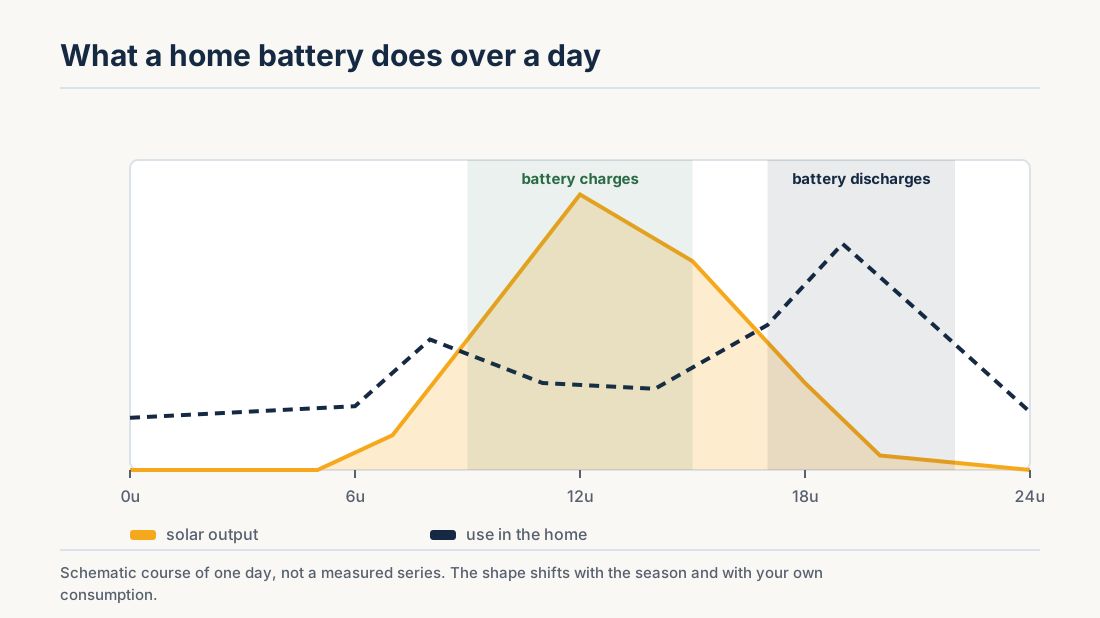
- Your solar panels generate electricity during the day.
- Excess energy is injected into the public electricity grid.
- Your supplier records this surplus as credits in your virtual storage account.
- You consume this credited energy later when your solar production is low.
A digital smart meter measures both the injected and consumed energy in real time, enabling accurate credits and debits.
Which technologies enable virtual batteries?
Virtual batteries depend on smart meters, energy management software, and communication systems connected to the grid. These technologies allow continuous monitoring and ensure energy balance. Some virtual battery platforms integrate with electric vehicle charging and smart home systems to maximize energy flexibility and usage efficiency.
How does a virtual battery Belgium system compare with a physical battery?
Virtual battery systems differ from physical batteries in their storage methods, control, and cost structures. Below are the main differences:
- Installation: Virtual batteries require no hardware installation, whereas physical battery systems involve installing batteries alongside solar panels.
- Autonomy: Physical batteries can supply power during outages, but virtual batteries depend entirely on the public grid.
- Costs: Virtual batteries avoid upfront investments but incur monthly fees and grid charges, while physical batteries have a high initial cost but limited recurring fees.
- Control: Physical batteries offer direct control over stored energy and usage patterns, unlike virtual batteries.
Which solution is more profitable?
Virtual batteries include transport costs and grid fees when you reuse stored energy, which can reduce your overall savings. Physical batteries store energy locally and avoid many grid-related costs. For households with high solar self-consumption, physical batteries typically yield better financial results over time.
When is a virtual battery the better choice?
Virtual batteries suit situations where installing physical storage is impractical, such as in apartments, rented homes, or spaces with physical constraints. They also appeal to users seeking energy flexibility without a large upfront investment.
What is the price of a virtual battery?
Virtual batteries do not require installation costs, but suppliers charge subscription fees and grid tariffs when you consume stored energy. Monthly fees usually range between €1 and €30 including VAT, varying by service level.
Consider this example to understand typical yearly costs for a household using virtual battery services:
- Monthly subscription fee: €10
- Annual subscription total: €120
- Grid and transport fees on reused energy: €250
- Total yearly cost: approximately €370 including VAT
This example illustrates that virtual storage involves ongoing operational fees. The financial choice hinges on balancing zero upfront cost against recurring charges.
Which factors influence the price most?
The main cost drivers include:
- Your annual electricity consumption
- The volume of surplus solar energy you produce
- Your energy supplier’s specific tariff structure
What costs are often not included?
Many virtual battery offers exclude certain expenses such as:
- Grid transport tariffs
- Taxes applied to electricity injected back into the grid
- Variations in energy market prices
In which situations does a virtual battery make the most sense?
Virtual batteries work best in settings that require flexibility or where physical storage is unsuitable. They complement solar systems by enabling you to shift your energy consumption over time without installing bulky hardware.
How does it support solar panels with batteries in grid-independent setups?
Virtual batteries cannot replace physical batteries used with solar panels in off-grid scenarios because they require grid access. Fully independent setups need local energy storage to provide power during grid failures.
Is a virtual battery suitable for off-grid installations in Belgium?
No, off-grid installations require physical batteries or alternative backup options like generators as virtual batteries rely on the electricity grid to function.
How does a virtual battery integrate with EV charging and smart homes?
Virtual batteries synchronize well with smart EV charging systems by storing your surplus solar energy virtually and using it later to charge your electric vehicle. This approach shifts energy usage to lower-cost periods and increases overall efficiency in smart homes.
What are the benefits of virtual power plants and virtual batteries?
Virtual power plants (VPPs) and virtual batteries provide benefits such as flexibility, enhanced grid stability, and improved uptake of renewable energy sources. These systems aggregate numerous small energy units into coordinated networks that optimize energy flow and balance supply with demand.
How do these systems help stabilize the grid?
Virtual batteries contribute to frequency control reserve services by adjusting grid consumption or injection in response to fluctuations in renewable energy production. This helps the Belgian grid remain stable during periods of varying solar and wind generation.
What role do virtual batteries and VPPs play in renewable energy integration?
They minimize the curtailment of solar power by virtually storing surplus energy. This maximizes renewable energy use, improving grid efficiency and supporting the transition to cleaner electricity sources.
Which industrial examples exist in Belgium?
Some industrial operators use flexible energy consumption as a form of virtual battery, adjusting production processes to match renewable energy availability. This practice reduces CO2 emissions and aids overall grid balance.
What are the pros and cons of a virtual battery Belgium solution?
Using a virtual battery in Belgium offers advantages and limitations that affect its suitability and long-term value.
Key advantages include:
- No hardware installation required
- Low entry cost for using the service
- Simple management through your energy supplier
- Flexible contract options
Main disadvantages are:
- It cannot provide electricity during power outages
- Your savings depend heavily on your supplier’s pricing
- Grid fees reduce overall financial benefits
- Lack of direct control over stored energy
The choice between convenience and control is critical. Virtual batteries simplify energy management but limit your independence compared to physical systems.
Deciding between a virtual battery and a physical storage system depends on how much control and independence you want in your energy setup. A virtual battery lowers upfront costs and suits situations where flexibility or installation constraints exist. In contrast, physical batteries enhance long-term savings and provide backup power during outages. We recommend carefully comparing these options and seeking personalized advice to select the energy storage approach that best fits your solar system and lifestyle needs.
Frequently Asked Questions
What is a virtual battery Belgium system used for?
A virtual battery Belgium system digitally stores your surplus solar electricity within the electricity grid and allows you to consume it later via your energy supplier. It primarily helps optimize self-consumption and supports grid balancing for both households and businesses.
What is the price of a virtual battery compared to a physical battery?
The cost of a virtual battery includes ongoing subscription and grid fees, while a physical battery requires a significant upfront investment. Although virtual batteries save initial costs, recurring expenses can diminish savings over time, whereas physical batteries often become more cost-effective with stable and high solar energy use.
Can you use a virtual battery during a power outage?
No, virtual batteries depend entirely on the public grid and cannot provide electricity when there is a power outage. Only physical home battery systems can supply backup power during these situations because they store energy locally.
Are there virtual battery Belgium reviews available?
Reviews of virtual batteries in Belgium typically highlight the flexibility and ease of use that these systems offer. However, users also note limited profitability due to grid fees and reliance on supplier pricing, which can affect control over energy management.
What is the future of virtual power plants?
The future of virtual power plants involves integrating large numbers of solar panels, batteries, and electric vehicles into comprehensive energy networks. These systems will support grid stability, enable new revenue opportunities, and play a significant role in expanding renewable energy use across Europe.
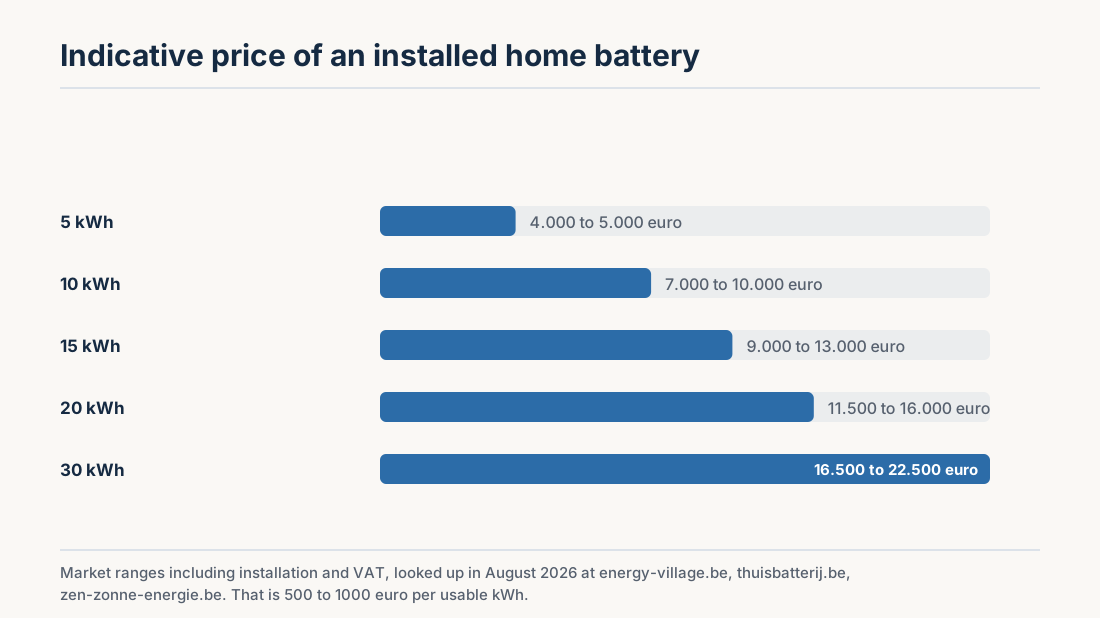
Indicative prices for the Belgian market, checked in August 2026 against energy-village.be, thuisbatterij.be and zen-zonne-energie.be. These are market ranges for an installed system including VAT, not a quotation: your price depends on capacity, brand and the state of your existing installation.
Read also
Ready to cut your energy bill?
Compare quotes for solar panels, home batteries and charging points.