Solar panels Belgium
glass-glass solar panels price and comparison
Glass-glass solar panels feature two layers of tempered glass protecting the solar cells, which significantly increases durability and reduces performance loss over time. These panels cost more than standard single-glass models but offer higher long-term energy output thanks to slower degradation and improved protection against moisture and temperature changes.
Read on to learn everything you need to make an informed decision for your solar energy investment.
What makes glass-glass solar panels suitable for solar energy?
Glass-glass solar panels provide exceptional durability, a lower degradation rate, and stable energy output that can last for decades. Their dual-glass construction fully encloses the solar cells, preventing moisture ingress and minimizing microcrack formation. This design allows for a degradation rate of less than 0.4% annually and a lifespan that often exceeds 40 years.
The key performance characteristics include:
- Efficiency: Modules typically achieve 16% to 20% efficiency.
- Lifespan: Panels generally last more than 40 years.
- Degradation: Slower than standard solar panels.
- Protection: High resistance to hail, heat, and humidity.
How does solar glass improve the panel’s protection?
The use of solar glass replaces the plastic backsheet found in conventional panels, eliminating weak points that are vulnerable to moisture and UV damage. This change helps maintain the panel’s structural integrity even under mechanical stress such as snow loads or hail impacts, ultimately enhancing reliability and longevity.
Can transparent solar panels fall under glass-glass technology?
Yes, transparent solar panels are a variation of the glass-glass design. They allow partial light transmission, making them suitable for applications like facades, carports, and greenhouses. These panels generate electricity while permitting natural light, facilitating architectural integration without sacrificing energy production.
Why do glass-glass panels generate more energy?
Many glass-glass modules use bifacial solar cells, which capture sunlight on both the front and back surfaces. When installed on reflective roofs or elevated systems, these panels can increase energy yield by up to 25%. This advantage makes them particularly effective on flat roofs or elevated installations.
For a broader understanding of solar solutions, visit solar panel solutions overview.
How do double glass solar panels compare with single glass models?
Double glass solar panels clearly outperform single glass panels in terms of durability, lifespan, and performance stability. While single glass panels remain lighter and cost less upfront, double glass panels offer superior long-term reliability and resistance to environmental factors.
The following table summarizes the main differences:
| Feature | Double Glass | Single Glass |
|---|---|---|
| Structure | Glass front and back | Glass front with plastic backsheet |
| Lifespan | Over 40 years | 25 to 30 years |
| Efficiency | 16% to 20% | 14% to 18% |
| Degradation Rate | Less than 0.4% per year | 0.5% to 0.7% per year |
| Bifacial Capability | Common | Rare |
Which type is better: single glass or double glass solar panels?
Double glass panels usually represent a better long-term investment because they maintain energy output longer and resist environmental damage more effectively. Single glass panels are suitable if you have a limited budget or if your roof has strict weight restrictions.
Are glass-glass solar panels better overall?
Yes, glass-glass solar panels offer superior durability, longer warranties, and more stable energy production over time. Although they have a higher upfront cost, the steady performance and reduced maintenance requirements often make them more cost-effective in the long run.
What is the price range for glass-glass solar panels?
Prices for glass-glass solar panels typically range from €300 to €500 per panel. Premium versions can reach €850 to €1,050 depending on design and efficiency. Complete solar systems usually cost between €12,000 and €20,000 including VAT.
Typical system prices include:
| System Size | Number of Panels | Total Price (incl. VAT) |
|---|---|---|
| Small | 6 panels | €4,500 - €7,000 |
| Medium | 10 panels | €7,000 - €12,000 |
| Large | 16 panels | €12,000 - €20,000 |
Example of a full system cost calculation
A 10-panel system with glass-glass modules includes the following components and costs:
- 10 panels × €400 = €4,000
- Inverter cost = €1,200
- Mounting system cost = €800
- Installation cost = €2,000
- Total = €8,000 including VAT
More pricing details can be found at the solar panel price overview.
Why do glass-glass solar panels cost more?
The higher prices stem from the use of additional glass layers, stronger frame materials, and longer warranty periods. Their greater weight also means you need more robust mounting systems, which increases installation costs.
What maintenance is required for glass-glass solar panels?
Thanks to their sealed design and durable construction, glass-glass solar panels require minimal maintenance. The main issue affecting performance is dirt accumulation on the surface.
Recommended maintenance includes:
- Annual cleaning to remove dust and debris
- Inspection every 2 to 3 years
- Inverter check every 5 to 10 years
Do solar panels still function if the glass is cracked?
Solar panels can continue to function if the glass breaks, but efficiency decreases, and safety risks increase. In glass-glass panels, cracks spread less due to the dual-glass design, limiting the extent of damage compared to traditional single-glass models.
Do these panels need special monitoring systems?
Performance monitoring systems help track energy production and detect faults early. Many systems are compatible with smart energy management tools and solar panel purchase platforms to optimize your installation’s efficiency.
Which roof types and situations are best for glass-glass solar panels?
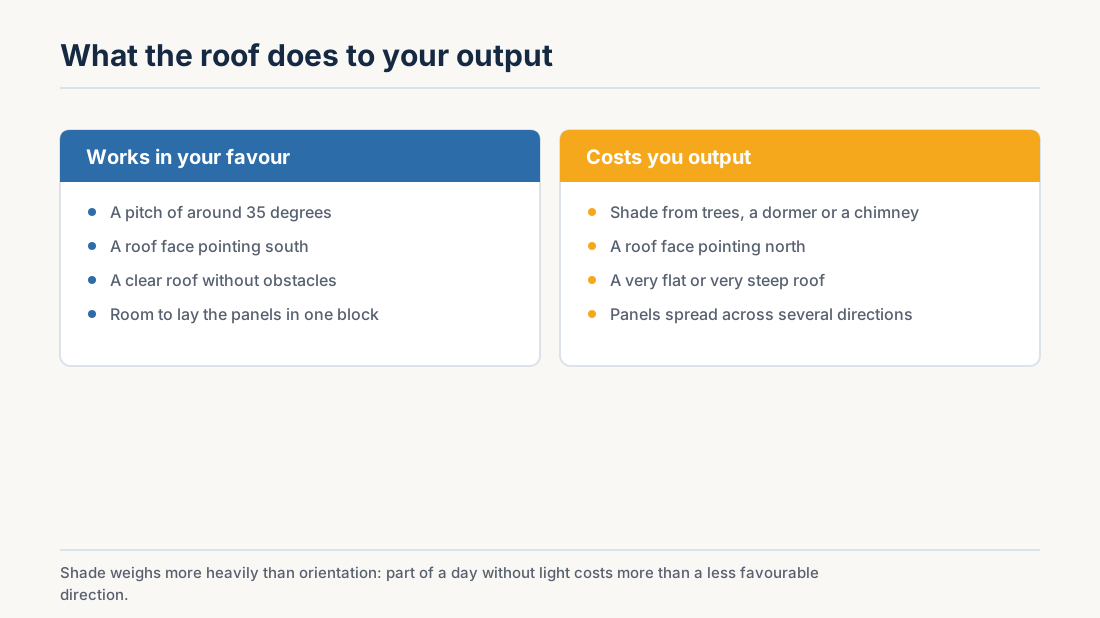
Glass-glass solar panels perform best on sturdy roofs that can support their increased weight and on installations where long-term performance is a priority. It is essential to assess your roof’s load capacity before installation.
When do glass-glass panels perform well on residential roofs?
They are ideal for pitched roofs with a southern orientation, which receive consistent sunlight ensuring maximum efficiency. Their durability also makes them suitable for homeowners aiming for energy independence over several decades.
Can glass-glass solar panels be installed on carports and facades?
Yes, their strength and safety glass properties make them a good choice for carport roofs and building facades. Transparent solar panels allow light transmission, supporting elegant architectural designs.
How do glass-glass panels integrate with battery systems?
When combined with energy storage solutions, these panels help increase your self-consumption of solar power. You can explore customized options through solar installation quotes that match panels with compatible batteries and inverters.
What should you look for when purchasing glass-glass solar panels?
Before buying glass-glass solar panels, evaluate their performance ratings, certifications, and warranty conditions carefully. These factors directly influence the long-term value and reliability of your solar installation.
Key selection criteria include:
- Warranty: Product and performance guarantees typically range from 25 to 30 years.
- Glass thickness: Panels usually feature glass layers of 2 mm or 3.2 mm for added durability.
- Certification: Look for IEC 61215 and IEC 61730 standards compliance.
- Technology: Options include bifacial or TOPCon solar cell designs.
What should you watch out for before buying?
Ensure your roof can handle the weight of these panels, which can be up to 30 kg per square meter. Overlooking this detail can cause unexpected installation costs for structural reinforcement.
Where can you purchase glass-glass solar panels?
Glass-glass solar panels are available through certified professional installers and platforms such as Soleva. Comparing different offers allows you to find the right combination of panel type, warranty, and installation quality.
To estimate your required system size, refer to how many panels you need.
When choosing solar panels, consider how long you plan to stay in your home and how much you value durability. Glass-glass solar panels stand out for their extended lifespan and consistent energy production, despite a higher upfront cost. To ensure the best investment, you should request multiple quotes through platforms like Soleva and verify your roof’s load capacity prior to installation. These steps help you avoid unexpected expenses and select a solar system tailored to your needs.
Frequently Asked Questions
What is the price difference between glass-glass and standard solar panels?
Glass-glass solar panels generally cost 30% to 50% more than standard single-glass models because of their dual glass construction and longer warranty periods. This price difference reflects improved material quality and durability. Over time, slower degradation and less maintenance balance the higher initial cost.
Do glass-glass solar panels work better in cold climates?
Yes, glass-glass solar panels tend to perform better in cold environments since lower temperatures improve solar cell efficiency, and the robust glass design withstands thermal stress. Snow and frost have less impact, and the sealed structure prevents moisture penetration, maintaining stable performance throughout seasonal changes.
Are glass-glass solar panels suitable for flat roofs?
Glass-glass panels are well-suited for flat roofs, especially when mounted on elevated systems. This setup allows bifacial modules to capture reflected sunlight from the roof surface, increasing energy yield. However, because of their weight, a professional structural assessment is necessary before installation to manage load requirements.
What is the typical maintenance cost for glass-glass solar panels?
Maintenance costs for glass-glass panels remain low due to their durable and sealed design. Annual cleaning and regular inspections usually cost between €100 and €300 per year depending on system size. Their sturdy construction also reduces the frequency of repairs compared to standard panels.
Do transparent solar panels generate less energy?
Transparent solar panels generate less energy than opaque ones because they allow part of the light to pass through rather than fully absorb it. Despite lower output, they offer benefits for building integration, such as use in facades and greenhouses, where they provide supplemental energy while preserving natural light.
Indicative prices for the Belgian market, checked in August 2026 against energy-village.be, thuisbatterij.be and zen-zonne-energie.be. These are market ranges for an installed system including VAT, not a quotation: your price depends on capacity, brand and the state of your existing installation.
Read also
Ready to cut your energy bill?
Compare quotes for solar panels, home batteries and charging points.