Solar Panel inverter
Hybrid solar inverter: Guide, Price & Comparison
A hybrid solar inverter converts solar energy and manages battery storage in a single device, allowing you to efficiently use, store, and control electricity in your home. This technology enhances your energy independence and lowers your reliance on the grid, especially with fluctuating energy prices and the adoption of digital meters.
How exactly does a hybrid solar inverter operate?
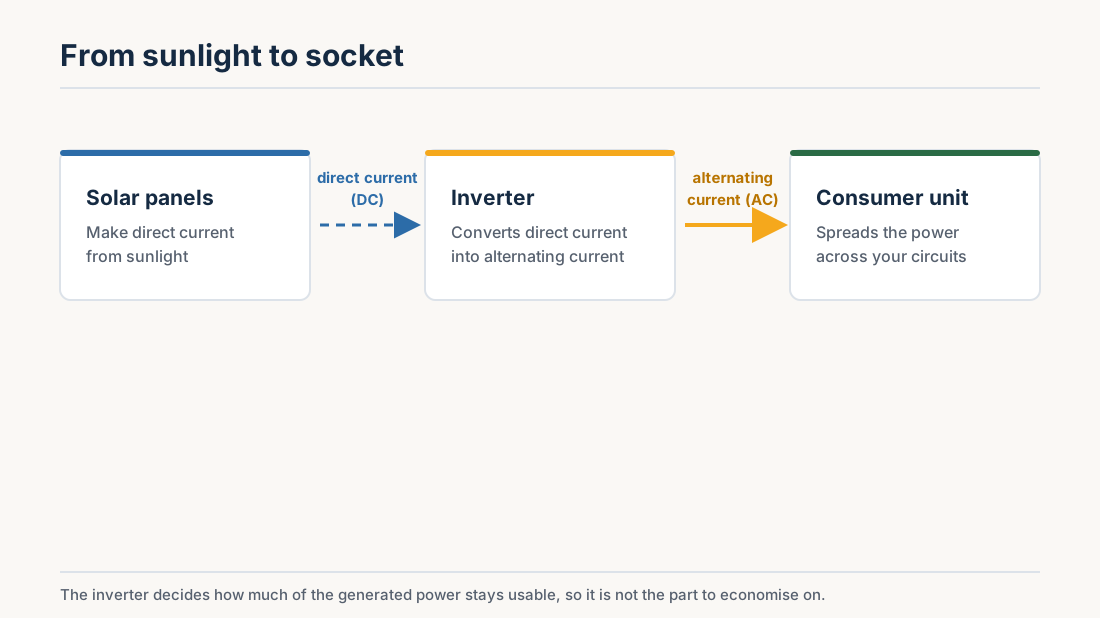
A hybrid solar inverter transforms direct current produced by solar panels into alternating current that powers your appliances, while managing the energy flow between your home, battery storage, and the electrical grid. It acts as a central energy manager, deciding whether to consume solar energy immediately, store it in the battery, or feed it back to the grid depending on your home’s demand.
For a comprehensive understanding of how solar energy is generated before it reaches the inverter, you can explore how solar panels generate electricity.
How is solar energy generated and utilized?
Solar panels generate direct current electricity, which your hybrid inverter converts into alternating current to power household appliances. The system prioritizes using solar energy directly in your home before directing excess power to the battery for storage or exporting it to the grid.
In what way does battery storage work with a hybrid solar inverter?
The hybrid solar inverter with battery stores surplus electricity as direct current, which reduces energy loss from multiple conversions and increases overall system efficiency compared to separate inverter and battery systems. The stored energy powers your home when solar generation is low or unavailable.
How does the hybrid solar inverter decide between solar, battery, and grid power?
The inverter automatically manages energy sources by prioritizing solar power first, followed by battery energy, and lastly grid electricity. This seamless transition ensures uninterrupted power supply and helps you save money by reducing dependence on grid electricity during peak price periods.
Which technologies and configurations are available for hybrid solar inverters?
Hybrid solar inverters come in various configurations that vary by grid connectivity, backup capabilities, and voltage specifications. Selecting the right type depends on your energy consumption preferences and system scale.
To view complete residential solar energy setups, see solar energy system configurations.
What are the common types of hybrid solar inverters?
- Grid-tied hybrid inverter: Supports solar generation, battery storage, and exporting energy to the grid.
- Multi-mode inverter: Provides backup power with automatic source switching during outages.
- Off-grid hybrid inverter: Operates independently from the grid with the grid serving only as backup.
What voltage and capacity options exist for hybrid solar inverters?
- 48V hybrid solar inverters are ideal for residential-scale battery systems.
- 220V inverters are compatible with standard household appliances.
- 10 kW inverters cater to medium to large homes with higher energy demand.
Which smart features enhance hybrid inverter performance?
Modern hybrid inverters are equipped with features such as mobile app monitoring, intelligent battery management, and automatic error detection. These functionalities optimize charging cycles, extend battery life, and improve overall system reliability.
What are the costs associated with a hybrid solar inverter?
The price of a hybrid solar inverter typically ranges from €0.20 to €0.40 per watt for residential systems, influenced by the inverter’s capacity and included features. Adding a compatible battery considerably increases the overall investment.
| System Size | Inverter Price | Total System Cost (including battery) |
|---|---|---|
| 3 kW | €600 - €1,200 | €6,000 - €9,000 |
| 5 kW | €1,000 - €2,000 | €8,000 - €12,000 |
| 10 kW | €2,000 - €4,000 | €12,000 - €18,000 |
Example calculation for a full hybrid solar system
Consider a 5 kW solar system that includes a battery storage component. Its approximate costs are as follows:
- Solar panels: €4,000
- Hybrid solar inverter: €1,500
- Battery storage system: €6,000
- Installation and electrical wiring: €2,000
The total estimated investment amounts to approximately €13,500 incl. VAT. The final cost can vary depending on factors similar to those in a standard solar panel installation, such as roof type and system complexity.
When is a hybrid solar inverter the most advantageous choice?
A hybrid solar inverter provides significant benefits when your objective is to increase self-consumption of solar energy and reduce dependence on the electrical grid. It becomes particularly beneficial if you face variable energy tariffs during the day.
To maximize savings, pairing it with a solar panel system designed for self-consumption is recommended.
In which scenarios does a hybrid solar inverter outperform a traditional inverter?
- Homes with substantial electricity usage in the evenings.
- Properties subjected to dynamic electricity pricing.
- Users intending to include battery storage in the future.
How do regulations affect the decision to use a hybrid inverter?
Modern digital electricity meters often incentivize self-consumption rather than feeding excess energy back into the grid, which enhances the financial appeal of hybrid solar inverter systems compared to traditional setups.
What are the advantages and disadvantages of a hybrid solar inverter?
Hybrid inverters offer improved efficiency, flexibility, and energy management, while their drawbacks mainly include higher upfront costs.
Which benefits do hybrid inverters provide?
Hybrid inverters can increase your self-consumption of solar energy by 10% to 20% by storing surplus power. They offer backup power during outages and reduce your reliance on the grid. Additionally, them being a combined device simplifies the installation process compared to separate inverter and battery solutions.
What are potential drawbacks of hybrid solar inverters?
Hybrid solar inverters tend to have a higher initial purchase price and require more complex configuration. Integrating a battery adds both expense and space requirements. In certain cases, achieving full backup capability may necessitate additional components.
How does a hybrid solar inverter compare to a normal solar inverter?
The key difference between a hybrid inverter and a normal inverter is the ability to store and manage energy.
| Type | Function | Ideal Application |
|---|---|---|
| Hybrid inverter | Manages solar generation, battery storage, and grid connection | Optimized for self-consumption and backup power |
| Normal inverter | Converts solar energy only | Suitable for basic solar installations without storage |
Should you choose a hybrid or an off-grid inverter?
Hybrid inverters generally suit most households as they offer grid support together with flexible storage options. In contrast, off-grid inverters are best for remote locations without grid access.
What distinguishes a normal inverter from a hybrid inverter?
A normal inverter primarily converts DC solar power to AC electricity. A hybrid inverter performs this conversion and additionally manages energy storage and distribution, making it more adaptable to fluctuating energy prices.
When might a hybrid solar inverter not be the best option?
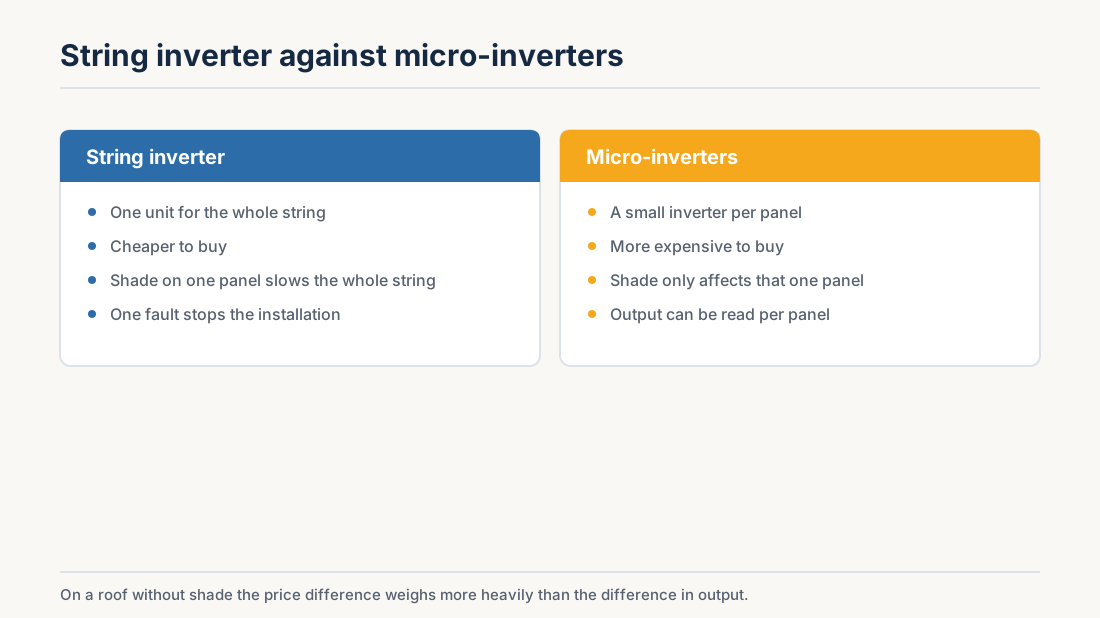
A hybrid solar inverter might not be appropriate if your household has low energy consumption or if you do not plan to install battery storage. In these situations, a basic inverter minimizes initial costs.
If your budget is limited, you might consider starting with a simple system and upgrading later with an expandable solar setup.
Buying features you do not require can increase expenses unnecessarily. If backup power or storage is not needed, a hybrid system may add complexity without delivering value.
Selecting the right inverter depends on your energy usage and goals. A hybrid solar inverter offers control over storage, reduces reliance on the grid, and prepares your home for changing energy tariffs. If you plan to add battery storage or need backup power, choosing a hybrid system is sensible. To find the best solution, compare multiple offers and request quotes from qualified professionals through Soleva.
Frequently Asked Questions
What is a hybrid inverter for solar power?
A hybrid inverter for solar power is a device that converts solar energy into electricity and manages battery storage within a single system. It coordinates energy flow between solar panels, the battery, and the grid, increasing self-use of solar power and supporting backup during outages without the need for separate equipment.
How much does a hybrid solar inverter cost?
The price of a hybrid solar inverter depends on its size and features. Smaller models start at approximately €600, while larger units can cost up to €4,000. When combined with battery storage, total system costs frequently exceed €10,000, varying with installation complexity and battery capacity.
Can a hybrid solar inverter function without a battery?
Yes, a hybrid solar inverter can operate without a battery. It functions like a standard inverter but allows you to add battery storage later. This flexibility makes it a future-ready option for homeowners wanting to expand their solar setup over time.
Is investing in a hybrid solar inverter worthwhile?
Investing in a hybrid solar inverter is advantageous if you want to maximize your self-consumption and lower energy bills. It becomes particularly beneficial with time-of-use tariffs and digital meters. Homes with significant power needs during the evening gain the most by using stored solar energy instead of expensive grid power.
Which hybrid solar inverter suits home use best?
The ideal hybrid solar inverter depends on your system’s scale, battery compatibility, and energy objectives. Systems between 5 kW and 10 kW are suitable for most residences. Prioritize energy efficiency, system monitoring options, and expandability for lasting performance rather than selecting the highest capacity alone.
Indicative prices for the Belgian market, checked in August 2026 against energy-village.be, thuisbatterij.be and zen-zonne-energie.be. These are market ranges for an installed system including VAT, not a quotation: your price depends on capacity, brand and the state of your existing installation.
Read also
Ready to cut your energy bill?
Compare quotes for solar panels, home batteries and charging points.