Home battery belgium
Home Battery Monitoring App Guide
A home battery monitoring app gives you real-time insight into your energy storage performance by tracking battery charge levels, solar production, and household energy consumption within one easy-to-use interface. These apps connect directly to your inverter or smart meter, processing data through cloud or local systems to help you make smarter charging decisions that can improve energy savings by 20 - 40%.
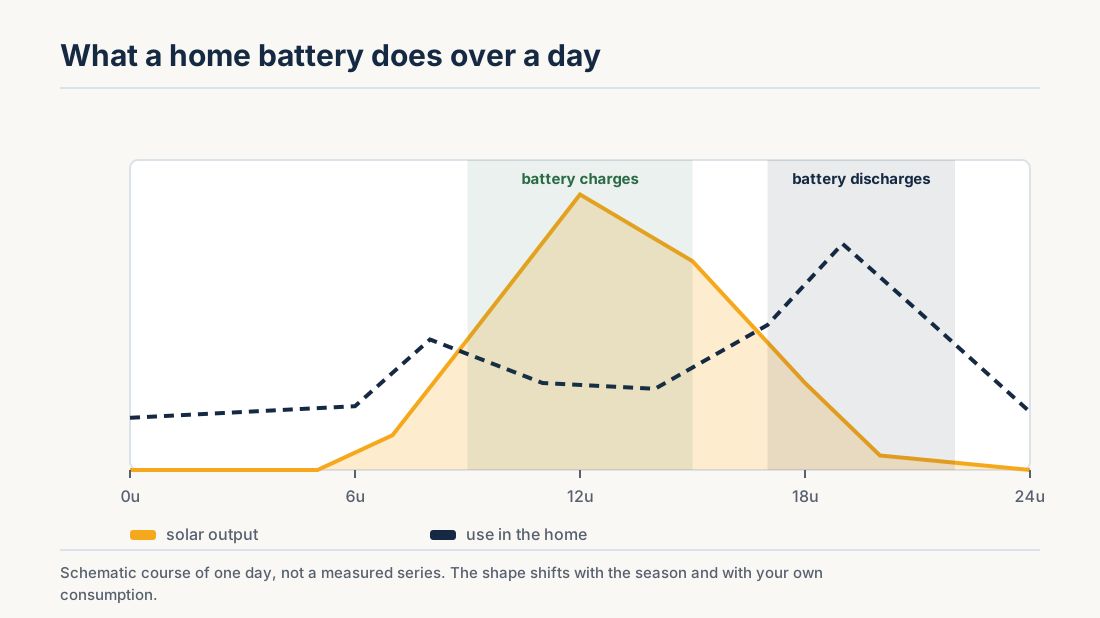
With features such as dynamic tariff control, automation, and system health monitoring, you gain full control over your home energy system. This guide will explain how these apps function, which features to prioritize, their costs, and how to select the best setup to fit your home.
What is a home battery monitoring app and what functions does it serve?
A home battery monitoring app is specialized software that tracks, analyzes, and optimizes energy flow between your solar panels, battery storage, and household consumption. It provides direct visibility of energy production, storage status, and grid usage through a centralized dashboard.
The app collects data from your inverter or energy gateway and presents both real-time and historical information. This data enables informed decisions about when to store electricity and when to use it most efficiently.
- Battery’s state of charge displayed as a percentage
- Total battery capacity in kilowatt-hours (kWh)
- Solar energy production and grid import/export data
- Power consumption per device or circuit
By linking directly with your solar panel system, the app acts as the control center for your entire home energy setup.
How does a smart meter monitor app collect and process data?
A smart meter monitor app gathers data via a P1 port, inverter API, or gateway device connected through WiFi or SIM. The collected data is encrypted and transmitted to a secure platform that processes energy flows and user behavior.
Advanced systems update data every few seconds, allowing near real-time monitoring and prompt adjustments to energy usage according to price changes.
Which technical data does a home battery monitoring app display?
The app provides detailed metrics that directly impact battery health and performance.
- Charge cycles and efficiency rates
- Voltage levels and temperature readings
- Energy input and output rates
- Peak consumption patterns
Monitoring these parameters helps avoid deep discharging and overheating, which can extend battery life to 10 - 15 years in many cases.
How does a home battery monitoring app integrate with solar and energy systems?
A home battery monitoring app links solar production, battery storage, and household demand into one intelligent system. It continuously balances energy flows using preset rules or AI-driven algorithms.
Through this integration, the app increases your home’s self-consumption of solar energy and reduces reliance on the electrical grid.
How can I effectively monitor my solar power usage?
You can monitor solar power usage by connecting the app to your inverter or gateway device. The system tracks real-time solar production and compares it with your household’s energy demand. The app visualizes this data through clear graphs and reports.
Many apps also connect to comprehensive home energy overview platforms, offering a broader perspective on your total energy consumption.
In what ways does AI optimize charging and discharging operations?
AI analyzes your consumption patterns, weather forecasts, and electricity tariffs to optimize battery use. It schedules charging during low-price periods and discharges during peak pricing to reduce costs.
This approach incorporates load shifting and peak shaving techniques, which can significantly lower your electricity bill.
What roles does the Enphase home energy management system fulfill?
The Enphase home energy management system combines solar production monitoring, battery storage, and electric vehicle charging into one unified platform. It provides detailed panel-level monitoring and performance insights.
The system supports Enphase home storage and portable battery solutions, which add backup power capabilities and extend usability in off-grid scenarios.
Which varieties of home battery monitoring apps are available?
Home battery monitoring apps vary by device compatibility, level of control, and data processing method. These categories are designed for different user needs and system setups.
The main types include:
- Manufacturer apps that are designed to work exclusively with specific batteries or inverters
- Independent platforms that support multiple brands and devices
- Installer-based systems providing tailored support and customized configurations
How do I identify the best home battery monitoring app for my needs?
The best home battery monitoring app offers real-time monitoring, automation features, and seamless integration with multiple devices. Apps that use AI for control and support dynamic tariffs typically yield the highest savings.
Prioritize compatibility when choosing an app. Even the most advanced app adds little value if it does not integrate properly with your existing inverter or battery system.
Which apps provide support for multiple devices and systems?
Some apps unify solar panels, batteries, EV chargers, and heat pumps into a single platform, forming a comprehensive electricity monitoring app ecosystem.
Using these apps alongside your full solar installation enhances accuracy and increases automation potential.
What are the typical costs for a home battery monitoring app?
Prices for home battery monitoring apps range from free options to around €7.50 per month, depending on the features and integration level. Some basic monitoring capabilities come included with your battery or inverter hardware.
The common pricing tiers are:
- Free apps offering basic monitoring with local data access
- Subscription plans around €1 per month that include cloud data and automation
- Advanced plans priced at approximately €7.50 per month that feature dynamic control and enhanced reporting
Can you see a detailed cost calculation example?
Below is a realistic example showing first-year and ongoing costs for a monitoring setup.
- Monitoring app subscription: €5 per month
- Cloud storage service: €1 per month
- Gateway device (one-time purchase): €120
- Installation and setup (one-time fee): €150
The total first-year cost equals: (12 × €5) + (12 × €1) + €120 + €150 = €342 incl. VAT. Subsequent years involve only subscription fees amounting to €72 annually.
Are free home battery monitoring apps available?
Yes, free versions often come bundled with your hardware. While these provide basic dashboards and monitoring functions, they usually lack advanced automation and detailed analytics.
In which situations is using a home battery monitoring app most beneficial?
Using a home battery monitoring app makes the most sense when your system includes solar panels, a battery, and variable electricity tariffs. Under these conditions, the app can automate energy use to reduce costs effectively.
How much money can you save by using such an app?
A properly configured monitoring app can lower your electricity bills by 20 - 40% through optimized charging strategies and load shifting. Additional savings of €150 - €300 per year are possible when dynamic pricing plans are used.
When might a monitoring app offer limited benefits?
If your household does not have solar panels or your energy tariff is fixed, the app’s automation features may deliver minimal cost savings due to lack of price variation.
What are the advantages and disadvantages of home battery monitoring apps?
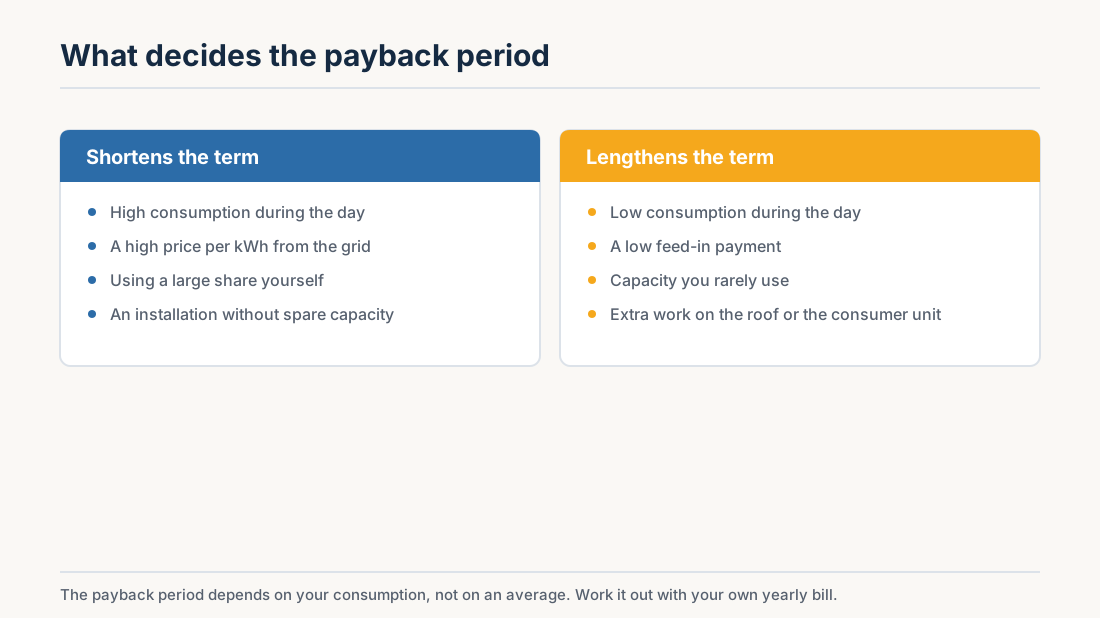
The key advantages include improved energy efficiency, automation of charging cycles, and faster identification of faults. The disadvantages involve additional subscription costs and the requirement for a stable internet or gateway connection.
In what ways do monitoring apps extend battery lifespan?
By managing charge cycles and monitoring temperature levels, these apps prevent deep discharges and overheating, effectively prolonging battery life and sustaining performance over time.
Are there apps that may reduce battery efficiency?
Yes, apps that lack proper optimization or continuously run background processes can waste energy. Poorly configured apps may cause unnecessary charge cycles, reducing overall battery efficiency.
How do home battery monitoring apps differ from general energy monitoring apps?
General energy monitoring apps or power consumption apps primarily track electricity usage, while home battery monitoring apps provide additional control over charging and discharging, integrating fully with battery storage systems.
- Battery monitoring apps optimize storage and usage
- Energy monitoring apps focus on consumption tracking
- Battery apps integrate with storage hardware directly
- Energy consumption apps often provide PC or mobile dashboards
How do monitoring apps vary between Android and iPhone devices?
Home battery monitoring apps for Android typically offer more customization and broader integration options. iPhone versions emphasize stability, privacy, and seamless user experience.
Can monitoring apps be used on Windows platforms?
Several platforms provide desktop access using Windows 10 apps or web browser dashboards. These interfaces allow more detailed data analysis compared to mobile apps.
How can I check my battery’s health via the app?
You can assess battery health by reviewing cycle counts, efficiency rates, and temperature trends shown within the app. A steady efficiency curve generally indicates good battery condition.
What does installation and setup of a home battery monitoring app involve?
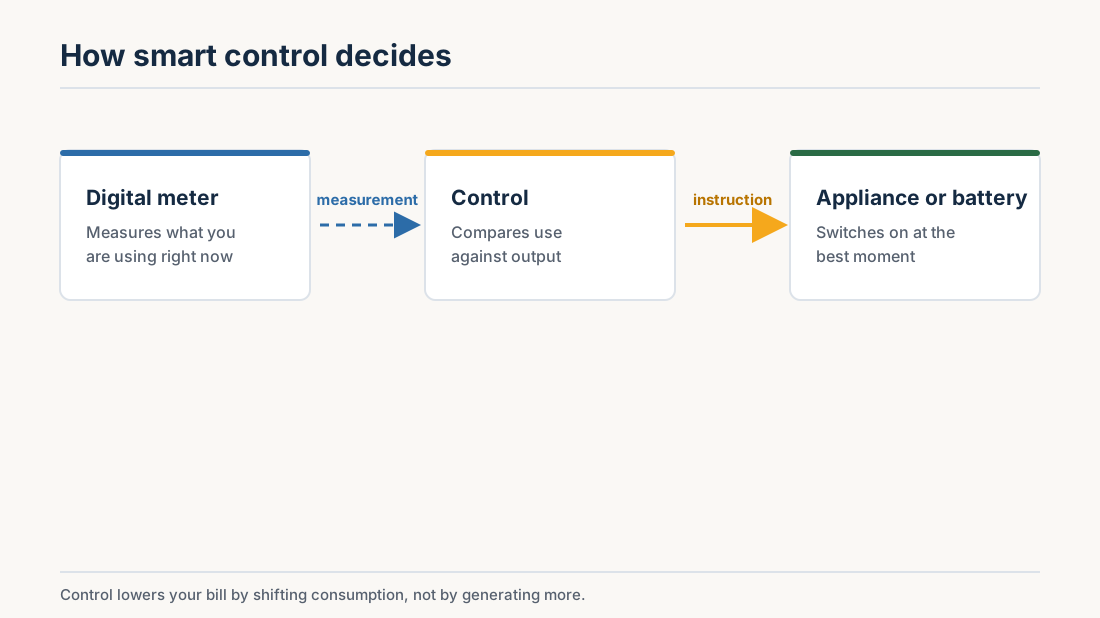
Installing the monitoring app requires connecting your battery system to the app through an inverter or gateway device. This installation usually takes less than one hour.
What are the main steps to install a monitoring app?
- Connect the inverter or battery to a WiFi or SIM gateway device
- Download the app and create a user account
- Link your system using the serial number or API connection
- Configure monitoring preferences and automation rules
Is professional installation recommended?
You can perform basic setup easily yourself, but professional help is advisable for advanced configurations such as dynamic tariff integration or complex automation. Soleva can assist you in comparing options and obtaining installer quotes.
Are home battery monitoring apps secure?
Most apps use TLS encryption, two-factor authentication, and comply with GDPR data protection standards. Data sent to the cloud is often anonymized to ensure user privacy.
Choosing the right home battery monitoring app setup depends on how actively you want to manage your energy use. A fully integrated app not only increases your savings but also extends the lifespan of your battery while offering complete control over your consumption habits. Begin by verifying compatibility with your existing system and consider requesting multiple quotes via Soleva to select the solution that best suits your home.
Frequently Asked Questions
What apps can I use to monitor my solar panels?
You can choose a home battery monitoring app, a smart meter monitor app, or a dedicated solar monitoring platform. Selecting the right app depends on your inverter and battery compatibility. Apps that combine solar and battery data usually provide better insights and allow automation, especially when paired with dynamic energy tariffs.
How do I monitor my solar power usage in detail?
Connect your system to an app that simultaneously tracks solar production, energy consumption, and battery storage. Advanced apps offer hourly, daily, and monthly reports and allow data export to Excel, helping you analyze long-term trends and optimize your energy usage patterns.
What is the price of a home battery monitoring app?
Home battery monitoring app prices vary from free basic versions to around €7.50 per month for advanced features. Paid plans typically include automation, cloud storage, and AI-based optimizations. Over time, the energy savings usually offset the subscription costs.
Can a home battery monitoring app work without internet?
Some apps operate without WiFi by using SIM-based gateways or local network connections, maintaining monitoring during internet outages and storing data locally. However, cloud features such as remote access, AI optimizations, and software updates require an active internet connection.
How does a home battery monitoring app improve savings?
By charging your battery during low electricity price periods and discharging during peak times, the app reduces peak consumption and increases solar self-consumption. These actions combine to lower your electricity bills and improve your return on investment.
Indicative prices for the Belgian market, checked in August 2026 against energy-village.be, thuisbatterij.be and zen-zonne-energie.be. These are market ranges for an installed system including VAT, not a quotation: your price depends on capacity, brand and the state of your existing installation.
Read also
Ready to cut your energy bill?
Compare quotes for solar panels, home batteries and charging points.