Solar panels Belgium
solar tracker system price, types and ROI
A solar tracker system significantly increases the energy output of solar panels by automatically following the sun’s path throughout the day. This method can boost energy yield by 20% to 35% compared to fixed solar panel installations by maintaining optimal panel alignment with direct sunlight. You will gain practical insights to help decide if a solar tracker system suits your solar energy needs.
This guide explains how solar tracker systems function, the differences between single-axis and dual-axis models, their pricing structure, and which applications benefit most from this technology.
What is a solar tracker system and how does it improve energy yield?
A solar tracker system is an integrated mechanical and electronic solution designed to orient solar panels toward the sun continuously. It reduces energy losses caused by sunlight striking the panels at an angle, known as cosine losses, by keeping the panels perpendicular to sunlight for longer durations. This technology extends the effective production time during mornings and evenings when the sun is low on the horizon. Fixed solar panels can lose over 75% of potential solar energy at these times, whereas a tracker system recovers a substantial part of that loss.
What are the main components of a solar tracker system?
The system consists of key parts working together to track and adjust the position of solar panels:
- Tracking structure that supports and rotates the solar panels
- Electric motors or actuators to manage panel movement
- Sensors or astronomical controllers to pinpoint the sun’s position accurately
- Control unit that processes sensor data and commands motors
- Mounting foundation like a ground or floating base for stability
How do solar angles affect tracking performance?
Two primary solar angles guide the tracking adjustments:
- Azimuth angle, controlling horizontal (east-west) movement
- Elevation angle, managing vertical tilt
The sun moves approximately 180 degrees daily and shifts 46 degrees seasonally. A solar tracker aligns panels with these movements to maximize sunlight capture throughout the year.
How exactly does a solar tracker system operate?
The system constantly adjusts the panel orientation by processing inputs from sensors or following programmed algorithms that anticipate the sun’s path. By doing so, it maintains panel surfaces perpendicular to incoming sunlight, increasing direct beam absorption and overall energy capture.
What distinguishes active tracking from passive tracking?
Active tracking utilizes motors, sensors, and software to precisely follow the sun’s position. This approach achieves high accuracy and is prevalent in large-scale utility projects.
Passive tracking relies on physical principles such as thermal expansion or gas pressure to move panels without motors. While this reduces system complexity, it offers less precise positioning and lower energy gains.
Which technologies enhance tracking accuracy in modern systems?
Modern solar trackers integrate advanced control mechanisms such as:
- Light-dependent resistors (LDR sensors) that measure differences in light intensity to adjust position
- Astronomical algorithms that calculate sun location based on date, time, and geographic coordinates
- Artificial intelligence (AI) optimization predicting weather conditions to refine panel angles
These technologies help trackers keep panel alignment within ±5 degrees of optimal angles, capturing over 99% of available direct solar energy.
Which types of solar tracker systems can you choose from?
Solar tracker systems mainly come in two varieties: single-axis and dual-axis trackers, each suited for different efficiency and investment needs. Additional variants include horizontal and tilted single-axis configurations to optimize performance by location.
How does a dual-axis solar tracker system work?
A dual-axis solar tracker system follows both the sun’s daily east-west movement and its seasonal elevation changes by adjusting panels horizontally and vertically. This capability delivers the highest possible energy yield and fits well in projects where maximizing output per available area is crucial.
What are the characteristics of a single-axis solar tracker system?
Single-axis trackers rotate panels around a single horizontal or vertical axis, typically moving from east to west. These systems usually increase energy production by around 30% compared to fixed installations. Their simpler design makes them widely used for large solar farms.
What variations exist within single-axis trackers?
Single-axis trackers come in multiple configurations to suit geographic conditions:
- Horizontal single-axis trackers optimized for low-latitude regions
- Vertical single-axis trackers geared towards high-latitude locations
- Tilted and polar-aligned trackers to maximize annual energy yield in specific settings
For more details on how solar trackers integrate with panel technology, you can explore our complete solar panel overview.
What is the price structure of solar tracker systems?
The cost of a solar tracker system varies depending on factors such as system capacity, the number of tracking axes, and installation complexity. Single-axis trackers usually add a moderate price premium per watt installed, while dual-axis trackers demand a higher upfront investment due to more intricate mechanics.
The typical pricing elements include:
- Single-axis trackers entail a moderate cost increase over fixed systems
- Dual-axis trackers require additional motors, sensors, and strengthened structures, raising prices further
- Ground installation costs vary with site conditions, foundation needs, and spacing requirements
Example calculation for a solar tracking system project
Considering a 5 kWp ground-mounted solar system with single-axis tracking, the cost breakdown might be:
- Solar panels: €5,000 incl. VAT
- Tracking structure: €1,500 incl. VAT
- Inverter: €1,200 incl. VAT
- Installation and wiring: €2,000 incl. VAT
The total investment sums to approximately €9,700 incl. VAT. This setup typically produces 20% to 35% more energy than a fixed installation, reducing the payback time.
Which factors most influence the overall price?
The main variables affecting cost are:
- System size measured in kWp
- Choice between single-axis or dual-axis tracking technology
- Ground conditions and type of mounting foundation
- Complexity of the control system and sensor equipment
You can compare these expenses with standard installation costs in our solar panel price guide.
When is investing in a solar tracker system worthwhile?
Using a solar tracker system is financially justifiable when the increase in energy output outweighs the additional cost and maintenance efforts. This scenario commonly applies to ground-mounted systems with ample space available for effective sun tracking.
Where do solar trackers achieve the best performance?
Trackers perform optimally in open-field solar farms and agrivoltaic applications where shade is minimal and the system can orient freely throughout the day.
How does geographic location affect solar tracker success?
Geographic factors play a major role in tracking benefits:
- Locations at higher latitudes benefit from extended daylight hours in summer, increasing tracker effectiveness
- Areas with clear skies maximize direct solar radiation, enhancing tracker advantage
- Regions with frequent cloud cover reduce the relative gain from tracking due to diffuse light
In Belgium, while solar trackers remain a niche choice, agricultural solar projects demonstrate yield improvements exceeding 20%.
Under what circumstances would I recommend a solar tracker system?
I recommend solar trackers primarily for installations on open ground where you want to maximize production per square meter. For rooftop installations, fixed panels typically offer better value due to simpler installation, reduced weight requirements, and lower maintenance.
What are the drawbacks of solar tracker systems?
Despite their benefits, solar tracker systems have disadvantages including higher initial costs, increased maintenance needs, and added system complexity compared to fixed solar arrays. These factors often limit their suitability for residential rooftops.
What technical challenges do solar trackers face?
The main technical drawbacks include:
- Additional moving parts increase the risk of mechanical failure
- Panels require stronger structures to withstand greater wind loads
- Increased spacing between panels lowers power density per area
How does maintenance influence solar tracker reliability?
Trackers need regular inspection, cleaning, and occasional repairs. Real-world experience shows approximately 98.7% uptime, with downtime caused mainly by adverse weather and soiling.
Why are solar trackers uncommon on residential rooftops?
Rooftop spaces often lack the area and structural flexibility needed for tracker movement. Elevating panels for tracking increases installation complexity, costs, and can affect aesthetics. Generally, a fixed solar panel system remains a more practical and cost-effective choice for homes.
Deciding to invest in a solar tracker system depends on your site’s space, budget, and production goals. These systems can substantially increase solar energy production, but their complexity and cost make them most suitable for ground-mounted setups rather than rooftops. If you prioritize maximum output per panel, solar trackers offer clear advantages. Conversely, fixed solar installations provide simpler, lower-cost solutions for many residential applications. Use Soleva to compare different solar options and receive tailored quotes to find the best fit for your needs.
Frequently Asked Questions
Is a solar tracker system worth the price for home use?
A solar tracker system rarely justifies its cost on residential rooftops due to increased installation and structural complexity. Ground-mounted systems with sufficient space benefit more from tracking. Homeowners often achieve better returns by installing more solar panels than by adding tracking mechanisms, especially as panel prices remain moderate.
What is the price difference between single-axis and dual-axis trackers?
Dual-axis trackers cost more than single-axis systems due to extra motors, sensors, and reinforced structures. They require advanced control software and stronger foundations, leading to higher upfront expenses. Single-axis trackers balance cost and energy gains effectively for most installations.
Can I build a DIY solar tracker system?
Building a DIY solar tracker is feasible with basic motors, sensors, and microcontrollers, suitable mainly for educational or off-grid projects. However, ensuring durability and performance under all weather conditions requires technical expertise. Larger, commercial setups should be designed and installed by professionals to guarantee safety and reliability.
What is the solar tracker system HS code?
The HS code for solar tracker systems generally falls under categories for photovoltaic mounting structures or solar power equipment. Classification varies by country and depends on whether the system includes motors, electronics, or structures. Importers should consult local customs authorities for accurate codes.
Where can I find a solar tracking system PDF for technical details?
Technical PDFs on solar tracking systems, including design schematics, control algorithms, and performance data, are available from manufacturers, academic publications, and engineering resources. These documents help you understand system construction and expected energy gains before investing.
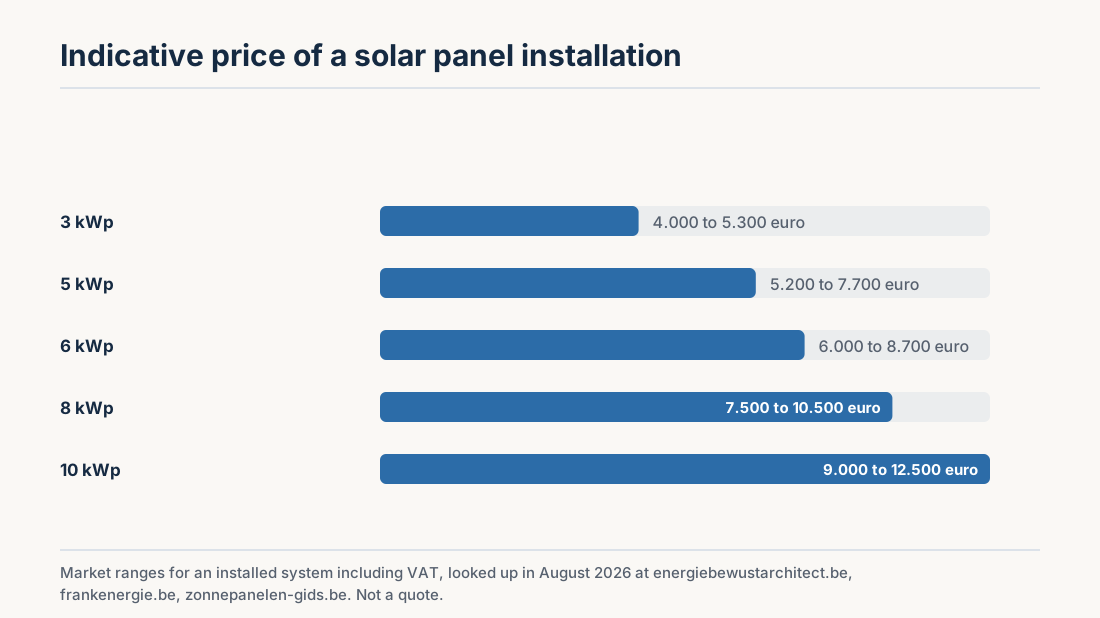
Indicative prices for the Belgian market, checked in August 2026 against energy-village.be, thuisbatterij.be and zen-zonne-energie.be. These are market ranges for an installed system including VAT, not a quotation: your price depends on capacity, brand and the state of your existing installation.
Read also
Ready to cut your energy bill?
Compare quotes for solar panels, home batteries and charging points.