Solar panels Belgium
ground mounted solar panels price and guide
Ground mounted solar panels generate electricity by mounting solar modules on structures fixed into the ground, allowing you to position them at the ideal angle and direction for maximum energy output. These systems typically produce 5% to 20% more electricity annually than rooftop installations because you control factors like tilt, spacing, and airflow more precisely.
Ground mounted solar panels are commonly used in home gardens, farms, and large solar projects where roof space is limited or unsuitable.
What Are Ground-Mounted Solar Panels and How Do They Work?
Ground-mounted solar panels refer to photovoltaic systems installed on frames anchored directly into the soil instead of being attached to a roof. These panels convert sunlight into electricity using silicon solar cells connected to an inverter. The complete system consists of solar panels, a mounting structure, cabling installed typically in trenches, and an inverter that changes direct current (DC) into alternating current (AC) usable in your home or business.
This setup allows you to select the exact orientation and tilt - usually between 30° and 35° - to maximize yearly energy yield. This precise positioning is a key advantage over rooftop systems.
How Is a Ground System Physically Installed?
The mounting structure’s design determines both the system’s stability and its durability over time. The most common mounting options include concrete foundations that permanently anchor metal frames, driven piles installed without concrete for quicker installation, ballasted systems suited for lighter setups, and wooden or hybrid frames often used in small DIY projects. Each mounting type impacts the installation cost and system lifespan differently. For example, concrete foundations provide maximum solidity, while driven piles reduce installation time.
What Layouts and Orientations Work Best for Ground Mounts?
Panels are usually arranged in rows oriented either portrait or landscape, ensuring adequate spacing to prevent shading between them. In Belgium, a south-facing orientation tends to produce the highest energy yield, approximately 1000 to 1100 kWh per kWp annually.
For broader context on solar panel systems, consider exploring different solar panel systems.
How Do Ground-Mounted Solar Panels Compare with Rooftop Systems?
Ground-mounted solar panels generally outperform rooftop panels in terms of flexibility, scalability, and energy efficiency. However, rooftop systems save on space usage and often involve simpler installation processes.
Key differences include:
- Efficiency: Ground systems achieve up to 110% relative yield with optimal positioning.
- Space: Rooftops use existing structures, whereas ground systems require available land.
- Maintenance: Ground-mounted panels are easier to clean and inspect due to accessible placement.
- Installation: Rooftop installations typically use fewer materials and require less labor.
What Are the Cost Differences Between Ground-Mounted and Rooftop Panels?
The cost of ground-mounted solar panels is usually higher because they require extra mounting equipment and groundwork. Typically, ground mounting adds about €0.05 to €0.15 per watt compared to rooftop installations. However, larger ground setups benefit from economies of scale, which reduces the price per watt for bigger systems.
Are Ground Solar Panels a Worthwhile Investment?
Ground-mounted solar panels are worthwhile when you have enough open land and want to maximize energy output. Their higher efficiency and expandability can outweigh the larger initial investment over time, especially for larger systems.
What Is the Price Range for Ground Mounted Solar Panels?
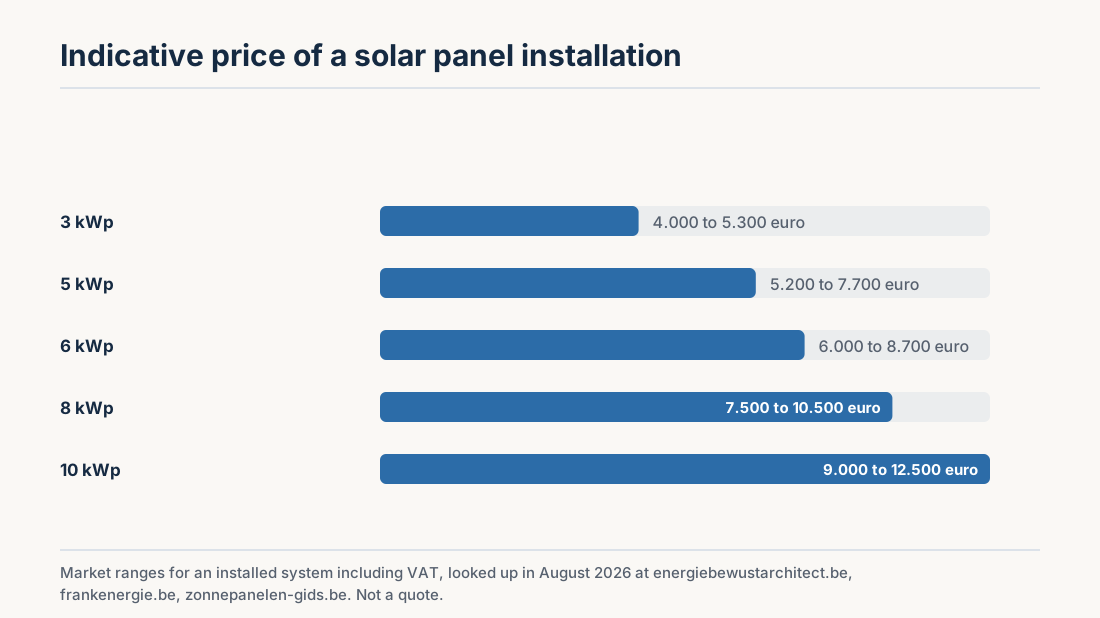
The price for ground-mounted solar panel systems typically ranges between €9,000 and €12,500 for a 10 kWp residential system, including installation costs. This range varies according to the mounting structure type, soil conditions, and system size. Larger installations generally reduce the cost per watt.
Overview of Typical Ground Mounted Solar Panels Costs
- Small system (3 kWp): €4,000 - €5,300
- Medium system (10 kWp): €9,000 - €12,500
- Large system (20 kWp and above): €10,000 and upwards
Example Calculation for a 10 kWp Home System
A typical 10 kWp ground-mounted solar system includes multiple cost components:
- Solar panels: €4,000
- Mounting structure: €1,200
- Inverter: €1,500
- Installation and groundwork: €2,000
The total cost amounts to approximately €8,700 including VAT. When compared to standard rooftop installations (standard solar installation), the primary cost difference stems from mounting equipment and labor.
Which Types of Ground Mounting Systems Are Available?
The most common ground mounting systems include fixed frames, pole mounts, and tracking systems, each with distinct performance and cost characteristics.
What Are Static Ground Mounts?
Static ground mounts use fixed frames set at a specific angle. These systems offer reliability and lower costs, making them the preferred choice for residential solar.
How Do Solar Tracking Systems Work?
Tracking systems improve energy output by following the sun’s path, increasing yield by over 20% compared to static mounts. Single-axis trackers move daily along one axis, while dual-axis systems adjust both daily and seasonally for even higher efficiency.
What Are the Best Setups for Ground Mounted Solar Panels?
Combining bifacial panels with tracking systems provides the best performance. Bifacial panels capture sunlight on both sides, increasing energy harvest by 4% to 8% depending on the reflectivity of the ground surface such as gravel or snow.
What Are the Advantages and Disadvantages of Ground-Mounted Solar Panels?
Ground-mounted panels offer distinct benefits but also have some drawbacks related to land use and initial costs.
Advantages of Ground-Mounted Solar Panels
- Higher electricity output due to ideal panel angle and positioning
- Improved airflow reduces panel overheating, enhancing efficiency
- Easy access for cleaning, inspection, and maintenance
- Ability to expand your system size incrementally over time
Disadvantages of Ground-Mounted Solar Panels
- Requires sufficient land space for installation
- Higher upfront installation costs compared to rooftop systems
- Often requires planning permission or permits depending on location
- Greater exposure to theft, vandalism, or environmental damage
Which Situations Are Best for Home Ground-Mounted Solar Panels?
Ground-mounted solar panels are an ideal choice for homes or properties with large gardens, farms, or insufficient roof space to install solar panels.
When Should You Choose Ground Mounting Over Rooftop?
You benefit most from ground-mounting if your roof faces the wrong direction, experiences shading issues, or cannot support the weight of solar panels. Ground mounts avoid adding a load of 20 to 30 kg per square meter on your roof.
How Many Panels Does a Typical Household Need?
An average household consumes electricity that can be supplied by 10 to 16 solar panels, depending on energy demand. For a detailed explanation, read about how many panels your home needs.
Is Installing DIY Ground-Mounted Solar Panels Possible?
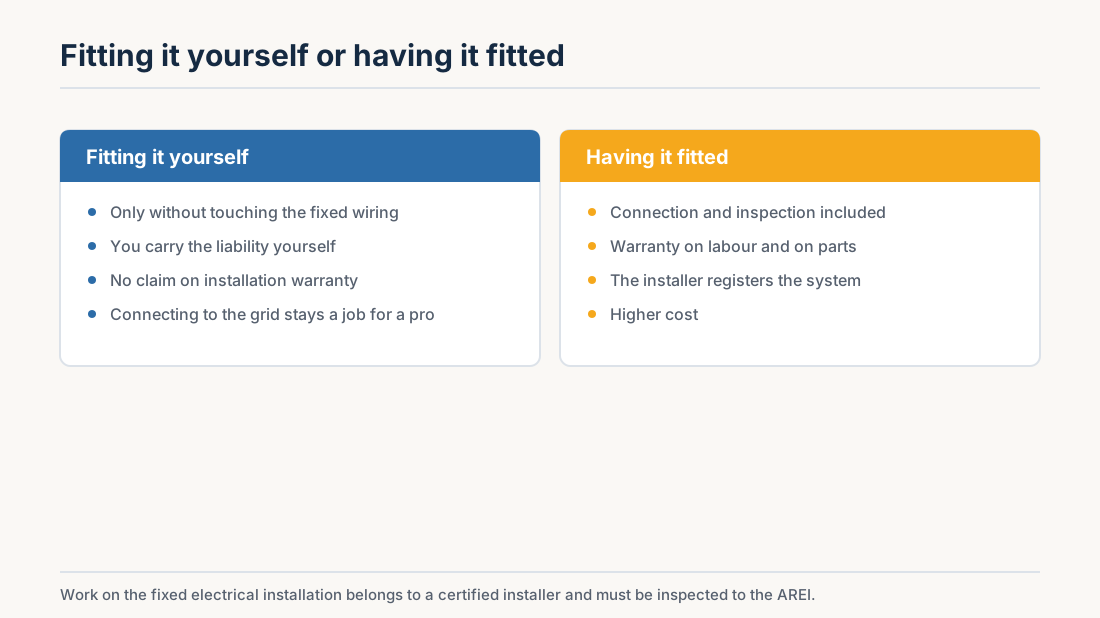
Small-scale DIY ground-mounted solar panel systems are feasible using prefabricated kits. However, the electrical connection and grid integration require certified professionals to ensure safety and regulatory compliance.
What Are Common DIY Ground Mount Options?
- Triangle base kits designed for 1 to 3 panels
- Rack systems supporting 9 to 15 panels
- Portable ground mount solar setups for temporary energy needs
What Is the 120% Rule for Solar Panels?
The 120% rule limits the total current on a panel board to 120% of its rated capacity. This prevents electrical overload and protects residential solar systems.
Deciding between ground-mounted and rooftop solar installations depends on your available space, budget, and energy objectives. Ground-mounted solar panels offer superior flexibility and higher energy yields, especially for larger properties with ample land. Before committing, focus on optimizing panel positioning and planning for future expansion. For clear pricing information and tailored installation advice, Soleva can connect you with trusted solar professionals who help you compare options and get accurate quotes.
Frequently Asked Questions
What is the price of ground mounted solar panels for a garden installation?
The price for a garden installation typically ranges between €3,500 and €9,000, depending on the size of the system and the type of mounting used. Factors such as land preparation and distance for cabling significantly influence the final cost.
Are ground mounted solar panels worth it for small homes?
Yes, they are worthwhile when roof space is limited or has an unfavorable orientation. Even small ground-mounted systems benefit from optimal tilt and direction, increasing energy production and reducing electricity bills more effectively than poorly positioned rooftop panels.
What is the price difference between bifacial and standard panels?
Bifacial solar panels usually cost an additional €0.10 to €0.20 per watt compared to standard panels. They increase energy production by capturing reflected light from the ground, which is particularly effective on surfaces like gravel or snow-covered areas.
Can you expand ground mounted solar panels later?
Yes, expanding ground-mounted solar panels is simpler compared to rooftop systems. You have full control over panel layout and spacing, allowing you to add extra rows or upgrade components without structural constraints from a roof.
Do ground mounted solar panels increase property value?
Ground-mounted systems can increase the value of your property by lowering energy costs and enhancing energy independence. Buyers often appreciate systems that offer flexibility and strong energy output, especially when combined with battery storage solutions.
Indicative prices for the Belgian market, checked in August 2026 against energy-village.be, thuisbatterij.be and zen-zonne-energie.be. These are market ranges for an installed system including VAT, not a quotation: your price depends on capacity, brand and the state of your existing installation.
Read also
Ready to cut your energy bill?
Compare quotes for solar panels, home batteries and charging points.