Solar panels Belgium
disadvantages solar panels explained clearly
The disadvantages of solar panels include a high upfront investment, dependence on sunlight, and additional system costs that affect your return on investment. While solar panels offer considerable long-term savings, factors like weather variability, battery expenses, and policy changes influence performance and payback time.
This guide explains the key drawbacks of solar panels, covering financial, technical, and environmental aspects, and provides practical insights on efficiency limits, maintenance, and real-world usage to help you make informed decisions.
What are the main disadvantages of solar panels you need to know?
The primary disadvantages of solar panels are their high initial cost, reliance on weather conditions, expensive energy storage options, space requirements, and environmental concerns related to manufacturing and disposal. These aspects directly impact your financial returns and the overall performance of your system.
The most significant drawbacks include:
- High upfront investment required for panels, inverter, and installation
- Dependence on weather which reduces output during cloudy days
- Energy storage expenses that increase the total system cost
- Limitations of roof and space that restrict installation size
- Environmental impact caused by production and recycling processes
Each of these disadvantages affects energy production, payback period, or usability. For a comprehensive overview of system components and performance, visit the solar panels overview page.
What are five disadvantages of solar energy?
The five main disadvantages of solar energy are high cost, intermittency of supply, storage constraints, space requirements, and environmental footprint. These constitute the primary challenges faced by homeowners considering solar adoption.
What are ten disadvantages of solar energy?
Expanding the list to ten disadvantages includes additional factors such as increased insurance costs, changes in policy, efficiency degradation over time, roof suitability, complexity of recycling, geographic dependency, aesthetic concerns, and challenges with grid integration.
How does the high upfront price affect solar panel adoption?
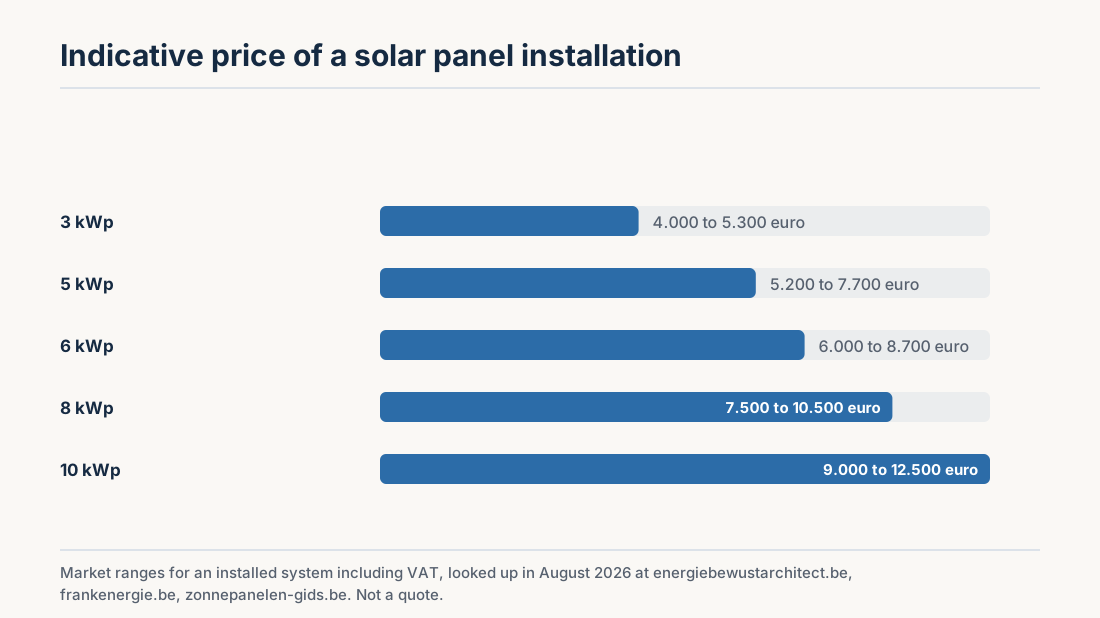
The high upfront cost limits accessibility since installing a complete solar system demands a significant investment before you see savings. For example, a typical residential system producing about 4 kWp costs around €5,000 including VAT, depending on installation specifics.
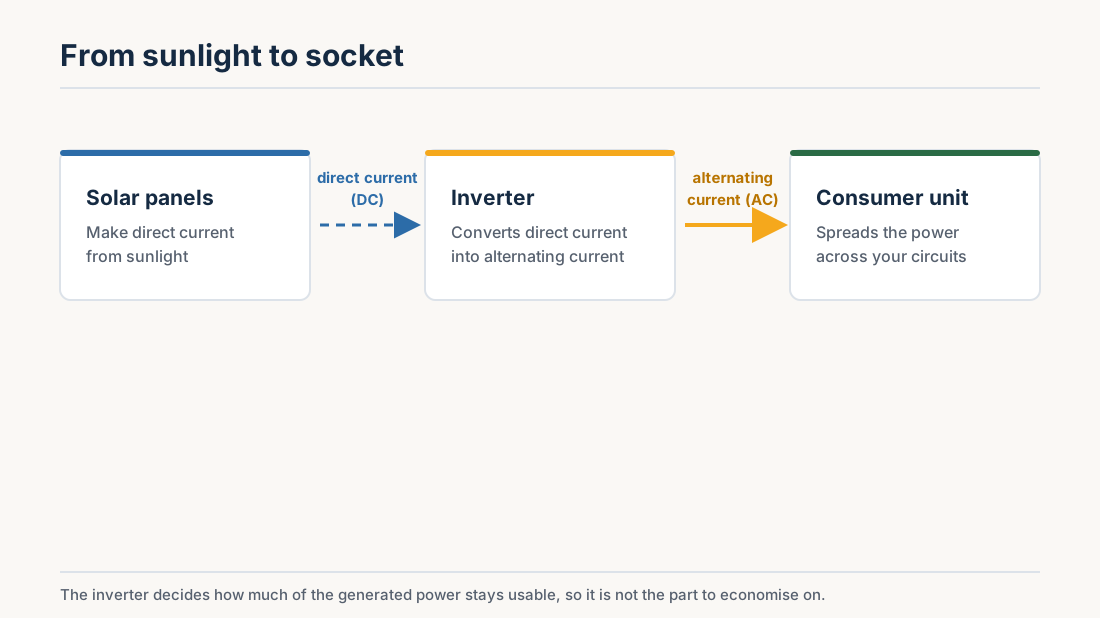
This amount covers the panels, inverter, mounting system, wiring, and labor. Other expenses can increase the total price further.
- The inverter usually requires replacement after 10 to 15 years, costing between €1,000 and €2,000
- Adding a battery storage system can add €5,000 to €10,000 to the total cost
- Insurance premiums may rise by €50 to €200 annually
Changes in policies also affect costs. For instance, in Belgium, the shift to digital meters and the end of net metering reduce the financial benefits for solar owners. Fees such as the prosumententarief decrease savings by charging for electricity fed back into the grid.
For a detailed cost breakdown, please visit the complete system explanation.
Why does payback time increase?
The payback period extends when compensation for generated electricity decreases or system costs increase. Without battery storage, it can take more than nine years to recover your investment under less favorable conditions.
What did Elon Musk say about solar energy?
Elon Musk emphasized that solar energy becomes highly effective when paired with energy storage systems. This underscores that solar panels alone have limitations without batteries to store electricity for use when the sun is not shining.
Why do solar panels depend on weather and sunlight?
Solar panels generate electricity by converting sunlight through photovoltaic cells, so their output is limited during nighttime and cloudy weather. This variability in production is known as solar intermittency.
Performance varies depending on your location and climate. For example, in Northern Europe, solar panels produce about 1,084 kWh per kWp annually on average, despite daily fluctuations in output.
How does weather reduce efficiency?
Cloud cover significantly decreases solar radiation received by panels. During heavy overcast, production can drop to nearly 10% of peak capacity.
Does solar energy work in winter?
Solar panels do operate in winter but generate less electricity due to shorter daylight hours. Although colder temperatures can improve panel efficiency slightly, the reduced sunlight predominates the overall energy output.
Optimizing system design and placement can improve winter performance. Learn more about sizing your system at the solar system basics page.
What causes solar energy storage to be expensive and complex?
Solar energy storage remains costly as batteries use advanced materials like lithium and require sophisticated energy management systems. While storage allows you to use electricity generated during the day at night, it significantly raises the overall system cost.
The main challenges with energy storage include:
- High purchase price of lithium-ion batteries
- The batteries have a shorter lifespan compared to solar panels
- Energy losses occur during charging and discharging cycles
Why might a battery not always be financially beneficial?
A battery becomes less financially attractive if grid electricity costs less than the stored solar energy. Many households optimize their setup by using solar power during daylight hours and switching to the grid in the evening instead of investing in costly storage.
What is the 20% rule for solar panels?
The 20% rule involves sizing your panels to produce about 20% more power than the inverter’s maximum capacity. This approach helps maximize energy production without overloading the inverter.
For more about system combinations and optimization, visit the full solar system guide.
How do space and roof limitations affect solar panel installation?
Installing solar panels requires sufficient roof space and proper orientation to generate substantial electricity. Limited area or suboptimal conditions reduce system size and savings.
Important physical constraints include:
- The size of the roof limits the number of panels that can be installed
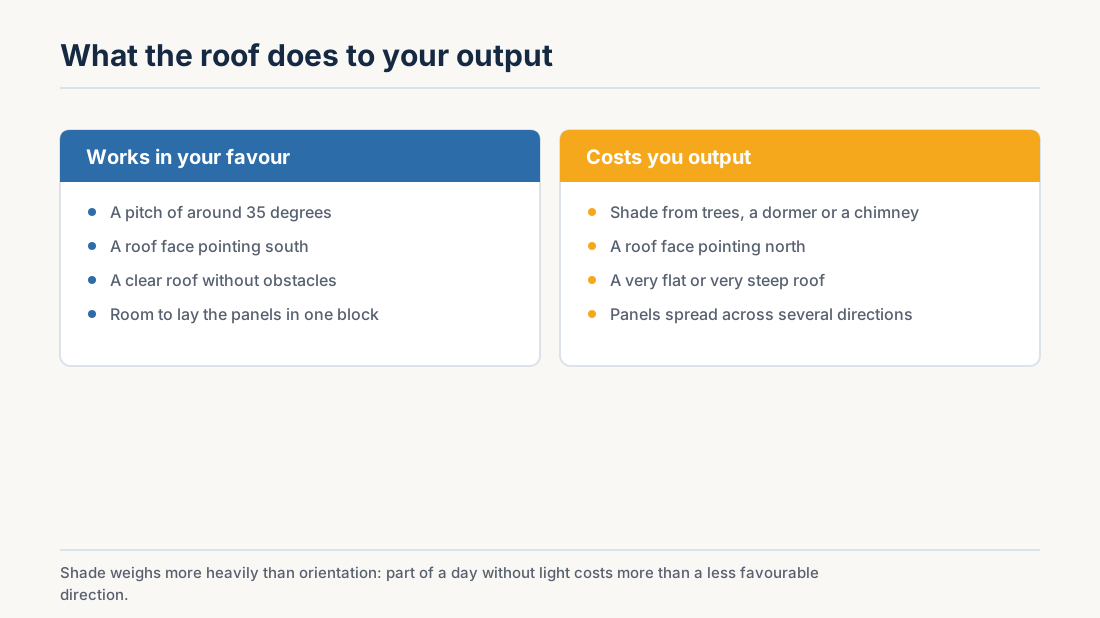
- Shading caused by trees or buildings diminishes energy output
- The angle and orientation of the roof impact efficiency
Are all roofs suitable for solar panels?
Not all roofs are appropriate for solar panel installation. Roofs with poor orientation, structural problems, or those made from materials like asbestos often require extra preparation or may be unsuitable.
What alternatives exist for limited space?
If roof space is insufficient, ground-mounted solar systems or solar carports offer viable alternatives. However, these need additional land and typically cost more to install.
Explore various installation options on the solar panel options page.
What environmental disadvantages does solar energy present?
Solar energy’s environmental downsides include emissions from manufacturing, resource extraction, and challenges with recycling. While solar panels generate clean electricity during operation, their full lifecycle has environmental impacts.
Which materials contribute to environmental concerns?
Solar panels contain materials such as silicon, cadmium, and lead. It is important to handle these substances carefully during production and disposal to avoid contamination of soil and water.
What happens at the end of a solar panel’s life?
Recycling solar panels is complex due to their mixed materials. Initiatives such as PV Cycle help recover valuable components, but the recycling infrastructure is still developing.
Large solar farms can also lead to land use issues and localized temperature changes. Innovative solutions like agrivoltaics (combining agriculture with solar panels) and floating solar arrays help reduce these impacts.
Are there any other disadvantages of solar panels besides cost and performance?
Additional drawbacks include increased insurance premiums, aesthetic concerns, maintenance requirements, and uncertainties related to policies. These factors can influence your long-term experience with solar panel ownership.
Do solar panels raise insurance costs?
Insurance companies often increase premiums because of fire risk and the value of the solar system. The annual additional cost can vary between €50 and €200 depending on coverage.
Do solar panels affect property appearance?
Installing solar panels changes the look of your roof, which some homeowners may find unattractive. In designated heritage or protected zones, you may also need permits before installation.
What maintenance do solar panels require?
Solar panels require minimal maintenance. Cleaning them several times a year prevents energy losses due to dirt buildup, which in some areas can reduce output by up to 7%.
For a complete understanding of solar system ownership, please visit the solar panel lifecycle overview.
Solar panels represent a strong long-term investment, though several disadvantages influence how quickly you realize benefits. High initial costs and changes in policies have the greatest financial impact, while weather conditions and storage affect daily energy production. It is important to assess your roof’s suitability and your energy needs before deciding. Requesting multiple quotes helps you find the best system and professional service for your situation, and Soleva makes this process simple and free.
Frequently Asked Questions
What are the biggest disadvantages of solar panels for homeowners?
The most significant disadvantages of solar panels are the high upfront investment, variable energy generation depending on weather, and reliance on additional systems like batteries. These factors can extend the payback time and require thoughtful planning. Policy changes and grid fees may also reduce the expected financial benefits.
What are 5 advantages and 5 disadvantages of solar energy?
The five main advantages are lower electricity bills, renewable energy source, low maintenance, increased property value, and enhanced energy independence. The five key disadvantages include cost, reliance on weather, storage expenses, space constraints, and environmental impacts from manufacturing. Considering both sides helps you decide if solar energy suits your home.
Are there any health side effects of solar panels on humans?
Solar panels do not emit harmful radiation during operation and pose no direct health risks. Health concerns mainly relate to toxic chemicals like cadmium or lead used in manufacturing, but these substances remain safely enclosed within the panels. Proper disposal and certified installation prevent exposure risks for residents.
How much does adding a battery affect the price of solar panels?
Adding a battery typically raises the total cost of a solar system by €5,000 to €10,000 including VAT, depending on battery capacity. While storage improves energy independence, it can lengthen your payback period. Financial benefits depend on electricity prices, how much solar energy you use yourself, and compensation policies for unused electricity.
Do modern solar panel systems have any negatives?
Modern solar systems still face certain limitations such as gradual efficiency loss over time, costs for inverter replacement, and dependence on changing regulations. Despite technological advances, owning solar panels requires a long-term commitment. Evaluating these factors ensures you have realistic expectations and plan your investment carefully.
Indicative prices for the Belgian market, checked in August 2026 against energy-village.be, thuisbatterij.be and zen-zonne-energie.be. These are market ranges for an installed system including VAT, not a quotation: your price depends on capacity, brand and the state of your existing installation.
Read also
Ready to cut your energy bill?
Compare quotes for solar panels, home batteries and charging points.