Solar panels Belgium
solar thermal panels belgium price & guide
Installing solar thermal panels in Belgium can reduce your household’s hot water energy consumption by up to 60% by converting sunlight directly into heat. These systems employ solar collectors and a thermal storage tank, with costs mainly influenced by the size of the collectors and the complexity of the installation. Unlike photovoltaic systems that generate electricity, solar thermal panels focus on efficient heat production and storage.
Why Are Solar Thermal Panels Ideal for Belgian Homes?
Solar thermal panels convert sunlight into heat to supply domestic hot water or support central heating. In Belgium, these systems can satisfy up to 60% of annual hot water needs, even when the weather is cloudy, making them an efficient option for households with consistent hot water consumption.
Despite Belgium’s moderate climate, there is sufficient solar radiation to power solar thermal systems effectively. Heat storage is straightforward and efficient with insulated tanks, which reduces reliance on gas or electric boilers.
According to Solar Heat Europe, the total installed capacity of solar thermal technology in Europe reached 43.6 GWth, underscoring the technology’s steady adoption across residential and industrial sectors.
How Do Solar Thermal Panels Generate Heat?
Solar collectors absorb sunlight and transfer the captured heat to a fluid circulating through pipes. This heated fluid moves to a storage tank where the thermal energy is stored for later use. To ensure hot water availability during periods of low sunlight, a backup heater is integrated into the system.
Why Does Thermal Energy Storage Enhance Efficiency?
Thermal systems store solar energy as heat in insulated water tanks, which is often more efficient than storing electricity. This storage method allows for consistent hot water use throughout the day and night without energy loss due to conversion.
How Do Solar Thermal Panels Compare to Photovoltaic and PVT Systems?
Solar thermal panels specialize in heat production, whereas photovoltaic (PV) panels generate electricity. Hybrid photovoltaic thermal (PVT) systems combine both heat and electricity functions but involve higher installation complexity and greater upfront costs.
For more details on photovoltaic technology, see how solar panels work.
The main differences among these technologies include:
- Solar Thermal: Efficient heating with simpler system design.
- Photovoltaic: Electricity generation with versatile applications.
- PVT Systems: Combined heat and electricity production, with increased investment requirements.
Which System Offers Better Value for Belgian Households?
Solar thermal systems usually pay off faster in homes with high hot water demand. Photovoltaic systems offer broader savings across electricity consumption. If your priority is reducing heating bills rather than supplying power to appliances, solar thermal panels are often the better choice.
What Role Do Hybrid Solar Systems Play in Belgium?
Hybrid systems gain popularity as homeowners aim for energy independence. However, they are less widespread because increased installation complexity can extend payback periods compared to single-function systems.
What Is the Cost of Solar Thermal Panels in Belgium?
The average price of solar thermal panels in Belgium is approximately €1,000 per square meter, including installation. Residential systems typically require between 4 and 6 square meters of collector area.
Typical price ranges for different system sizes are:
- Small system (3 m²): €3,000 including VAT
- Medium system (5 m²): €5,000 including VAT
- Large system (7 m²): €7,000 including VAT
Example Cost Calculation for a Family System
A typical family system with 5 m² of collectors and a 300-liter storage tank includes the following expenses:
Collectors (5 m² × €1,000): €5,000
Storage tank: €1,200
Installation: €1,500
Controller and pump: €800
Total investment amounts to approximately €8,500 including VAT.
How Do Subsidies Lower Installation Costs?
Regional incentives in Belgium significantly decrease upfront expenses for solar thermal systems.
- Flanders: €550 per m² up to €2,750 or 40% of the invoice
- Brussels: €2,500 to €3,500 up to 50% of the invoice
- Wallonia: €750 to €4,500 up to 70% of the invoice
More information on subsidies and energy solutions is available at solar energy solutions.
What Maintenance Is Required for Solar Thermal Panels?
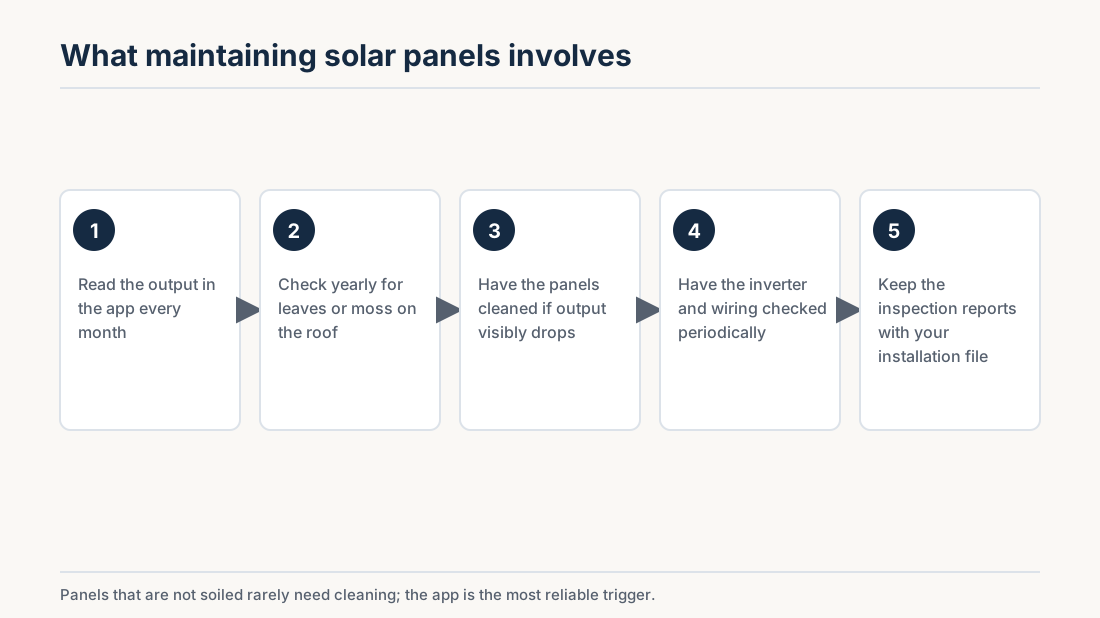
Solar thermal systems require minimal upkeep because they include few moving parts. Scheduling regular inspections helps maintain system efficiency over many years.
Maintenance tasks involve:
- Checking the heat transfer fluid every 2 to 3 years
- Testing antifreeze protection using a refractometer
- Inspecting the pump and controller annually
- Cleaning collectors if dirt accumulates
How Does This Maintenance Compare with Photovoltaic Systems?
Thermal systems need slightly more technical upkeep due to circulating fluids. Photovoltaic systems require less frequent intervention but depend on inverter performance. With proper scheduling, solar thermal maintenance is predictable and manageable.
Which Roof Types and Building Situations Suit Solar Thermal Panels Best?
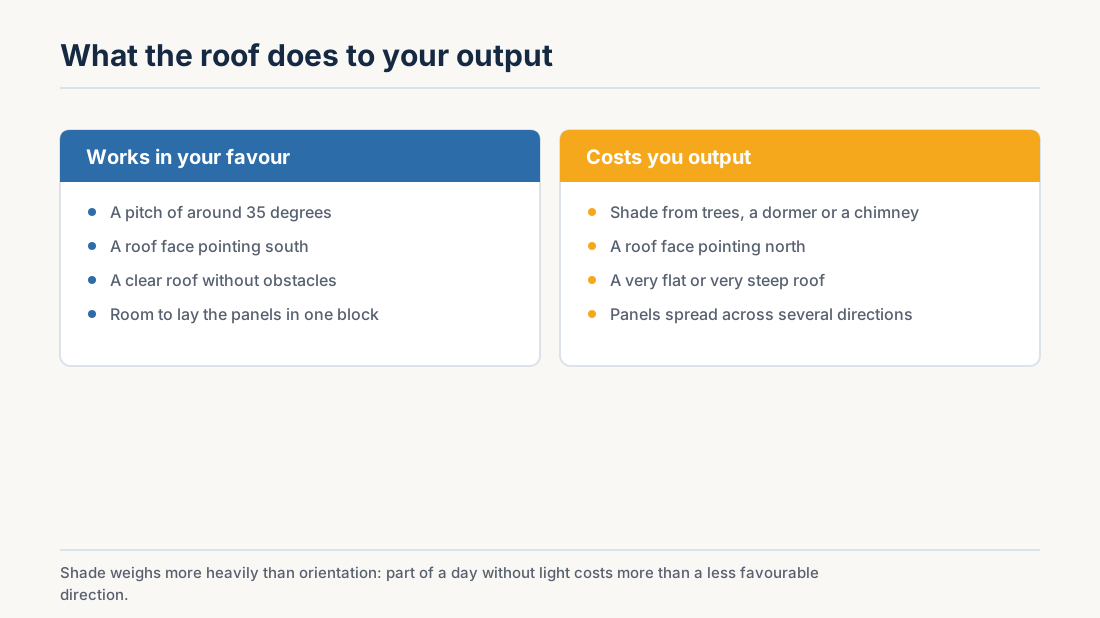
Solar thermal panels perform optimally on south-facing roofs inclined between 20° and 60°. Flat roofs can also accommodate installation with adjustable mounting frames.
Typical suitable cases include:
- Family homes with significant hot water consumption
- Buildings with low electrical demand but high heating needs
- Homes that utilize boilers or heat pumps alongside solar thermal
How Does Roof Orientation Affect Solar Thermal Performance?
South-facing installations provide maximum output. East or west orientations reduce efficiency by approximately 20%, though such placements remain viable for most households.
Are Solar Thermal Panels Suitable for Apartments?
Yes, vacuum tube collectors enable flexible installation on balconies or building facades, making solar thermal solutions usable in urban environments with limited roof access.
What Should You Consider When Selecting Solar Thermal Panels?
Choosing the appropriate system involves evaluating performance, durability, and compatibility with your existing heating equipment.
Key factors to consider include:
- Collector Type: Flat plate or vacuum tube collectors
- Storage Capacity: Approximately 300 liters for a family of four
- Efficiency Rating: Higher absorption rates enhance heat output
- Certification: Compliance with European Union standards
Which Collector Type Offers Better Performance?
Flat plate collectors tend to have lower costs while providing solid performance levels. Vacuum tube collectors deliver superior efficiency, particularly under colder conditions. If your roof orientation is less than ideal, vacuum tubes may be the better option.
How Do Industry Standards Influence System Quality?
Organizations such as IEA Solar Thermal set performance benchmarks that ensure system durability and long-term reliability. Choosing certified products helps guarantee consistent output over many years.
Selecting a solar heating system largely depends on your household’s hot water requirements and roof space availability. Solar thermal panels provide an effective way to reduce heating costs and demand minimal maintenance, especially when integrated with existing boiler systems. To maximize your benefits, begin by estimating your energy consumption clearly and request multiple quotes through Soleva. Comparing sizes, prices, and subsidy options will help you make an informed decision tailored to your needs.
Frequently Asked Questions
What is the difference between solar thermal panels and PV panels in Belgium?
Solar thermal panels produce heat for domestic water and heating, while photovoltaic panels generate electricity. Thermal systems achieve higher efficiency for heating tasks, particularly in homes with regular hot water use. PV panels offer greater flexibility for supplying power to electrical appliances and feeding excess energy into the grid.
What is the price of solar thermal panels Belgium for a small household?
The cost of solar thermal panels for a small household in Belgium typically ranges between €3,000 and €5,000 including VAT. Prices vary according to the collector size and the complexity of the installation. Smaller systems often feature two to three collectors and a compact storage tank, making them ideal for apartments or couples.
Do solar thermal panels work during winter in Belgium?
Yes, solar thermal panels operate effectively during winter by capturing diffuse sunlight rather than relying solely on direct radiation. Although the output is lower than in summer, vacuum tube collectors maintain better performance by reducing heat loss. Backup heating systems ensure reliable hot water supply even in colder months.
How long do solar thermal panels last?
With proper maintenance, solar thermal panels usually last between 20 and 25 years. Some components, such as storage tanks and pumps, might require replacement sooner depending on usage patterns. Manufacturers tend to provide performance guarantees that confirm sustained efficiency under European conditions.
Are solar thermal panels worth it compared to heat pumps?
Solar thermal panels focus on directly reducing your hot water energy consumption and involve a lower upfront cost and simpler installation compared to heat pumps. Heat pumps offer comprehensive heating solutions but depend on electricity supply. The best choice depends on your specific heating needs and financial considerations.
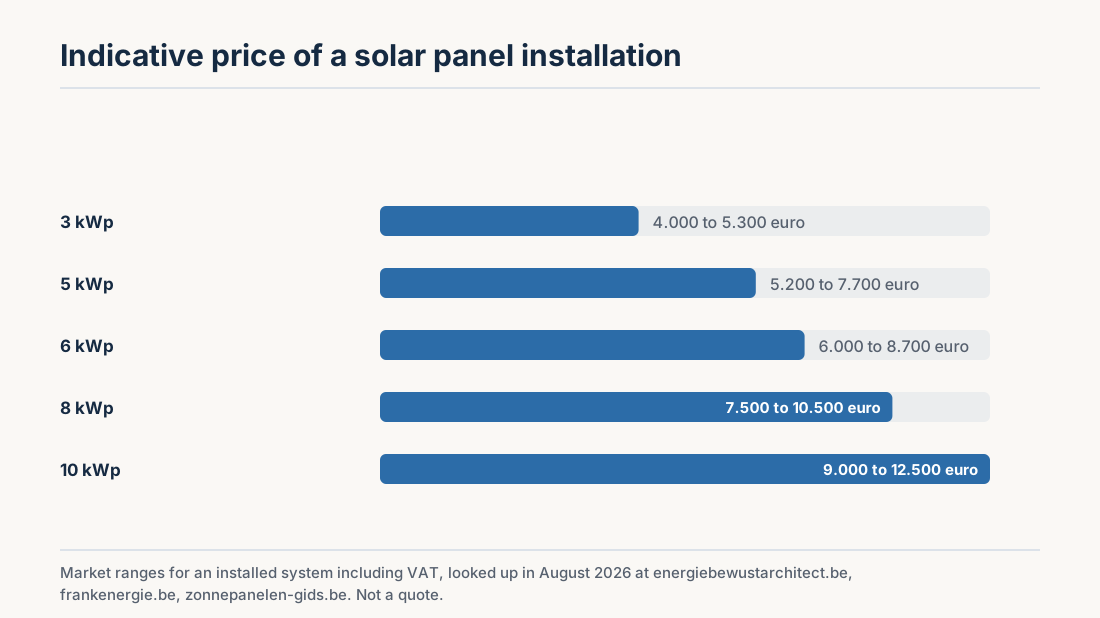
Indicative prices for the Belgian market, checked in August 2026 against energy-village.be, thuisbatterij.be and zen-zonne-energie.be. These are market ranges for an installed system including VAT, not a quotation: your price depends on capacity, brand and the state of your existing installation.
Read also
Ready to cut your energy bill?
Compare quotes for solar panels, home batteries and charging points.