Solar panels Belgium
latest solar panel technology 2026 explained
The latest solar panel technology in 2026 combines advanced high-efficiency cells, intelligent energy management systems, and innovative materials such as perovskite to generate more electricity from limited roof space. Modern solar panels achieve efficiencies exceeding 20%, with cutting-edge designs like TOPCon and HJT panels offering even greater performance and improved energy capture in low-light conditions.
What defines the newest solar panel technology in 2026?
The newest solar panel technology features perovskite-silicon tandem cells, bifacial panels, transparent photovoltaic (PV) glass, and AI-enhanced systems. These advances improve energy production, broaden installation possibilities, and minimize system losses.
Innovations that were once experimental have reached commercial availability, reflecting the industry’s growth as global solar capacity nears 3 terawatts and annual installations approach 649 gigawatts. This rapid adoption confirms the significant impact of these technologies on the solar market.
How does perovskite solar cell technology enhance panel performance?
Perovskite solar cells boost efficiency by capturing a wider range of the light spectrum compared to traditional silicon cells. Combining perovskite with silicon in tandem cells allows surpassing conventional efficiency limits.
- Laboratory efficiencies exceed 35%
- Commercial modules achieve about 24.5%
- Theoretical efficiency limit is above 43%
This breakthrough technology increases power output per square meter, although challenges with long-term durability remain. Ongoing improvements in encapsulation extend panel lifespan and reliability.
Which solar panel technologies are most common in installations?
The predominant solar panel technologies balance efficiency and dependability. These types include:
- TOPCon panels, offering 22% to 25% efficiency
- Heterojunction Technology (HJT) panels, reaching 23% to 26% efficiency
- PERC panels, known for strong low-light performance
- Bifacial panels, capable of generating power from both sides
TOPCon and HJT panels lead new installations due to their lower degradation rates and superior temperature tolerance, enhancing overall system performance.
How does the latest solar panel technology in 2026 compare to previous generations?
Solar panels using the latest technology in 2026 deliver higher efficiencies, improved durability, and better performance in low-light environments compared to traditional monocrystalline or polycrystalline panels.
Key differences include:
- Monocrystalline panels: 20% - 22% efficiency
- PERC panels: enhanced output in low-light settings
- TOPCon panels: increased lifespan and power output
- HJT panels: reduced losses from high temperatures
- Perovskite tandem cells: efficiency surpassing silicon limitations
Modern panels also reach wattages between 400 Wp and 600 Wp, minimizing the number of panels needed for a given system size.
What is the cost of new solar technology for residential systems?
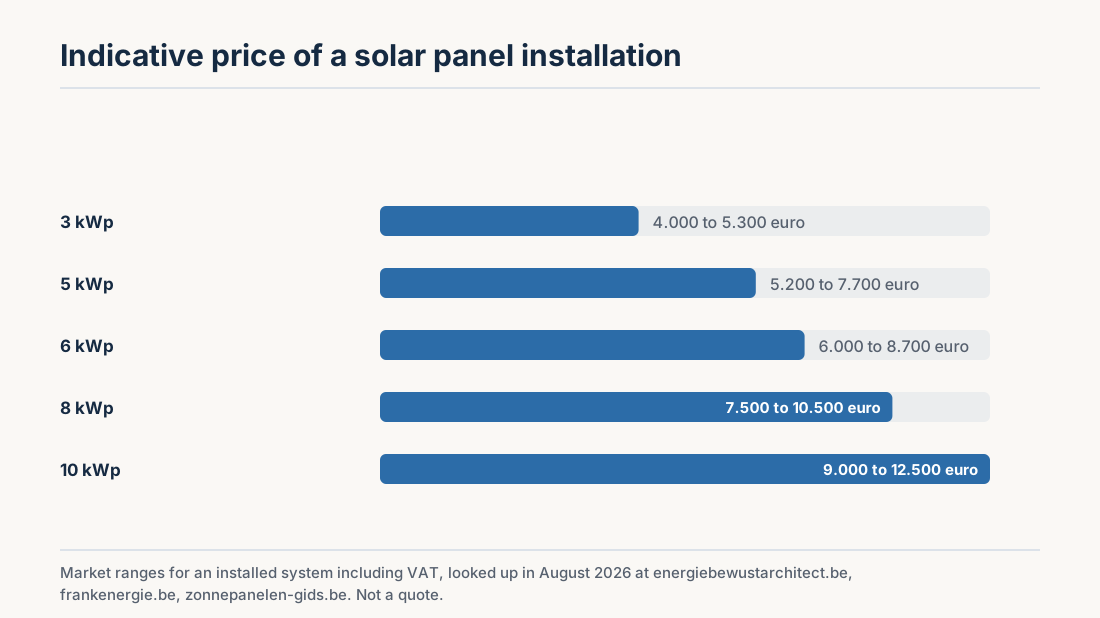
Residential solar systems featuring new technologies generally cost between €4,500 and €6,500 for a 4 kWp installation, including VAT. Pricing varies according to panel efficiency, inverter selection, and installation complexity.
Typical system cost ranges are:
- 4 kWp system: €4,500 - €6,500
- 6 kWp system: €6,000 - €8,700
- 10 kWp system: €9,000 - €12,500
Example cost calculation for a modern solar installation
For a system using 10 panels rated at 450 W each, the cost breakdown is:
- 10 panels × €300 = €3,000
- Hybrid inverter = €1,500
- Mounting system = €800
- Installation labor = €2,000
- Total cost = approximately €7,300 including VAT
Labor and component costs make up a large portion of the total investment, similar to other complete solar panel systems.
Which innovations enable solar panels to generate power at night?
Emerging solar panels that produce electricity at night utilize radiative cooling and thermal energy conversion technologies to generate limited energy without direct sunlight. These approaches remain in early stages and currently generate significantly less power than panels operating during the day.
A more practical solution involves pairing solar panels with battery storage to use stored energy after sunset, ensuring continuous power availability.
Why are batteries more effective than night-generation panels?
Energy storage systems capture surplus energy generated during daylight hours and supply it during the night. This method provides higher efficiency and dependable energy than experimental technologies that generate electricity in darkness.
How do bifacial and transparent solar panels expand application possibilities?
Bifacial solar panels create electricity from both their front and rear surfaces, boosting overall energy output by 5% to 20%, depending on the reflectivity of the installation surface. Transparent photovoltaic glass integrates solar capability into building elements such as windows and facades.
Where do bifacial solar panels perform best?
Bifacial panels are most effective when installed above reflective surfaces like flat roofs or ground-mounted arrays. Mounting them elevated allows the rear side to capture more reflected sunlight and increase production.
What applications suit transparent photovoltaic glass?
Transparent panels serve as energy-generating windows, facades, and skylights. They allow light transmission ranging from 10% to 90% while producing electricity, enabling seamless integration into building designs.
What benefits does AI bring to smart solar panel systems?
AI-powered solar energy systems improve energy production by 5% to 12% through real-time system optimization and predictive maintenance alerts.
AI operates in three key areas:
- Design optimization leveraging satellite and weather data
- Dynamic inverter adjustments for performance maximization
- Predictive maintenance to identify issues early and reduce downtime
Using AI reduces maintenance expenses by up to 30% and enhances long-term system reliability.
In what situations do new solar technologies benefit home installations most?
Homes with high electricity demands, limited roof area, or advanced energy management setups gain the most from new solar panel technologies.
Recommended applications include:
- Residences with small roofs requiring high-efficiency panels
- Households using electric vehicles or heat pumps
- Buildings planning future energy system expansions
You can estimate the right system size using tools like solar sizing guidance to align your installation with your energy consumption.
What are the advantages and disadvantages of the latest solar panel technologies?
The advantages include improved efficiency, extended durability, and expanded application options. However, these benefits come with increased upfront costs and evolving technology landscapes.
Higher efficiencies and reduced degradation enhance energy yields, while challenges such as supply chain uncertainties and premium pricing for advanced panels like HJT may affect affordability.
How can comparing solar panel technologies assist your decision?
Comparing available solar panel technologies helps you find a system that fits your budget and energy goals effectively.
Key considerations focus on efficiency, price, and service life.
- TOPCon panels offer a strong balance of performance and cost
- HJT panels provide top-tier efficiency
- PERC panels deliver reliability and value
- Perovskite panels represent promising future potential
If you plan to install soon, selecting TOPCon or HJT panels ensures you benefit from proven efficiency and durability.
Solar panel technology in 2026 has evolved beyond basic panels to integrated energy systems that combine high-efficiency cells, intelligent controls, and energy storage. The greatest improvements come from enhanced efficiency and smarter energy management rather than only new materials.
If you are considering installation, prioritize reliable technologies like TOPCon or HJT panels and integrate a battery system for optimal energy use. Through Soleva, you can compare various options and request quotes from qualified professionals to match your home’s requirements and budget.
Frequently Asked Questions
What is the latest model of solar panel?
The latest solar panel models feature TOPCon, HJT, or tandem perovskite technologies, achieving efficiencies above 22%. These panels generate more electricity per square meter and maintain lower degradation rates. They often include AI optimization and bifacial designs to enhance real-world energy production.
What is the new solar panel technology in 2026?
In 2026, new solar panel technologies include perovskite tandem cells, bifacial modules, and AI-driven management systems. These advancements improve panel efficiency, optimize performance, and add flexibility with options like transparent and flexible panels for diverse building integrations.
What is the price of the latest solar panel technology in 2026?
The price depends on the system size and panel type, with typical residential installations ranging from €4,500 to €12,000 including VAT. Higher-efficiency panels have a higher upfront cost but reduce the number of panels needed and enhance long-term savings through increased energy production.
Do new solar panels that work at night replace batteries?
Currently, solar panels capable of generating electricity at night do not replace battery storage. They produce minimal power using thermal energy differences, which is insufficient for typical home energy needs. Batteries remain essential for storing excess daytime electricity for reliable nighttime use.
What did Elon Musk say about solar energy?
Elon Musk has emphasized that solar energy combined with battery storage forms the foundation of future decentralized energy systems. His vision advocates for homes that generate and store their own electricity, aligning with trends in solar panel innovations and energy storage integration.
Indicative prices for the Belgian market, checked in August 2026 against energy-village.be, thuisbatterij.be and zen-zonne-energie.be. These are market ranges for an installed system including VAT, not a quotation: your price depends on capacity, brand and the state of your existing installation.
Read also
Ready to cut your energy bill?
Compare quotes for solar panels, home batteries and charging points.