Home battery belgium
LFP home battery price, benefits and comparison
An LFP home battery stores excess solar energy using lithium iron phosphate chemistry, providing high safety and a long lifespan for residential energy storage. These batteries typically achieve 95 - 98% efficiency and last for 6,000 - 10,000 cycles, making them a leading choice in modern solar installations. You can use them to increase your self-consumption, reduce dependency on the grid, and stabilize your energy usage with a hybrid inverter.
How does an LFP home battery work exactly?
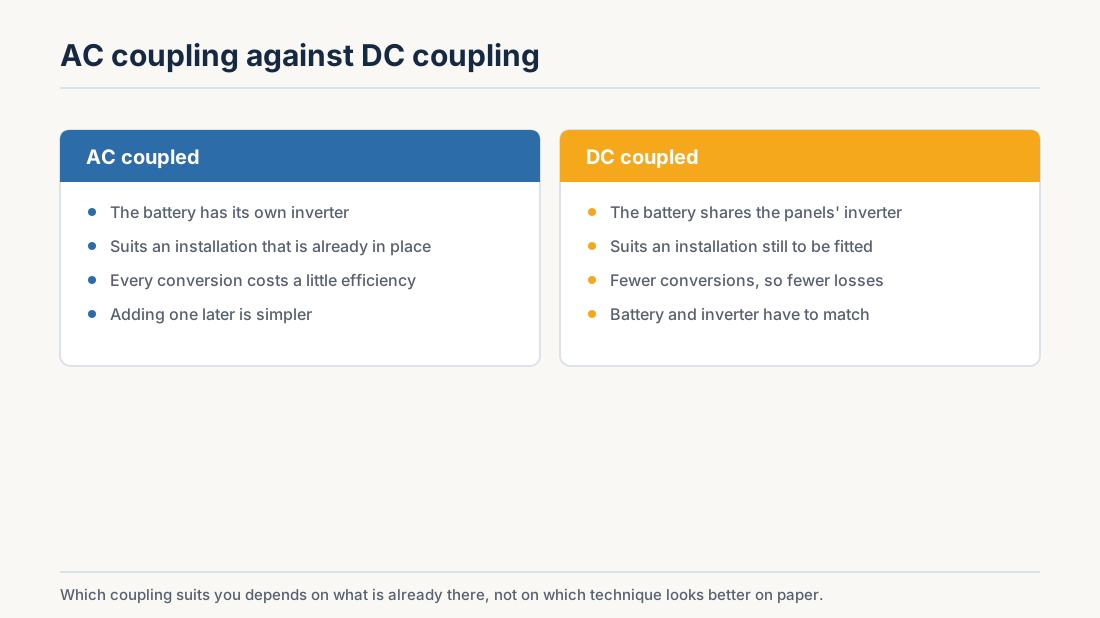
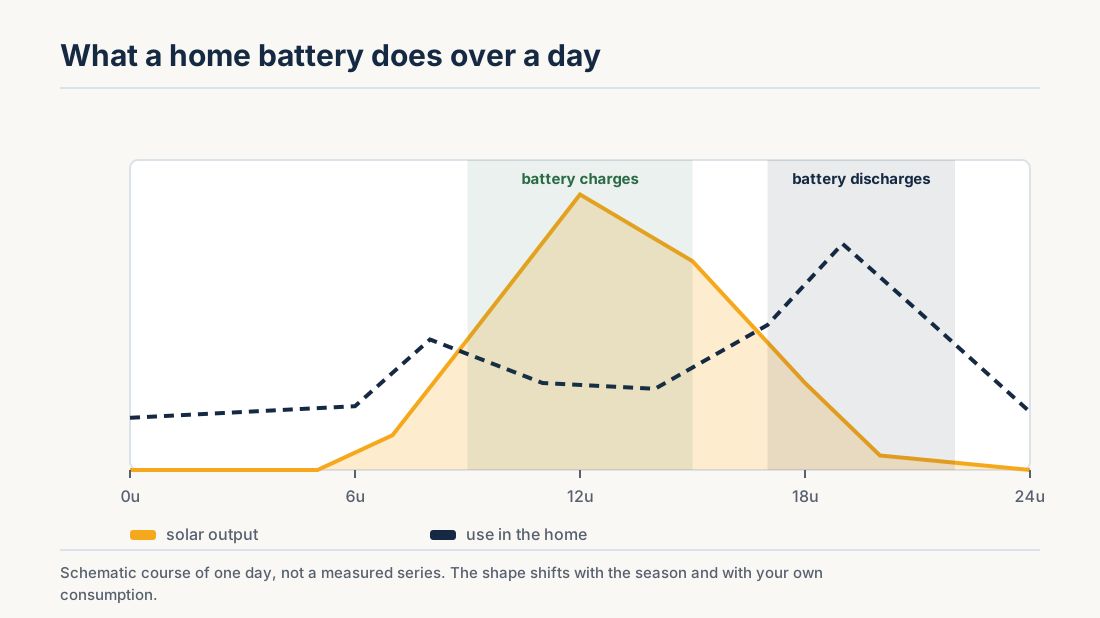
An LFP battery stores electricity in lithium iron phosphate cells and releases power when your home requires it. The system charges during periods of high solar production and discharges energy when generation declines, such as in the evening.
The battery connects to your solar system via a hybrid inverter. This inverter converts direct current (DC) energy into usable alternating current (AC) electricity and manages charging cycles automatically. You can learn more about system configurations on the solar panel systems overview page.
How does energy flow inside the system?
The process follows a simple sequence. Solar panels produce electricity during daylight hours. The inverter first supplies power to your home. Any excess energy flows into the battery for storage. When solar production ceases, the stored energy powers your appliances.
What role does the battery management system play?
The Battery Management System (BMS) monitors voltage, temperature, and charge levels to prevent overcharging and balance the battery cells. This monitoring extends the battery’s lifespan and enhances safety during operation.
Which technologies or variants exist for LFP home battery systems?
The common configurations vary based on voltage level and modularity, tailoring to different household sizes and energy requirements.
What is the difference between low-voltage and high-voltage LFP batteries?
- Low-voltage systems operate around 48 volts, which is suitable for smaller homes.
- High-voltage systems operate above 100 volts and provide higher efficiency.
High-voltage setups also reduce cable losses and improve the performance of the inverter.
How does modular expansion work?
Modular LFP systems allow stacking multiple battery units to increase capacity gradually. You can start with 5 kWh and expand to 20 kWh or more, supporting your growing energy demands over time.
What standards govern LiFePO4 Battery Europe installations?
LiFePO4 Battery Europe installations follow strict safety standards such as AREI and Synergrid compliance. Certified installers ensure integration of batteries with hybrid inverters for safe grid connection.
What is the price of an LFP home battery?
The price of an LFP home battery ranges between €5,000 and €15,000 incl. VAT for systems between 5 and 13 kWh. The cost depends on battery capacity, inverter type, and complexity of installation.
The average installed price per kWh for an LFP solar battery is approximately €500 to €1,000.
Typical price ranges for common system sizes are:
- 5 kWh system: €4,000 - €5,000 incl. VAT
- 10 kWh system: €7,000 - €10,000 incl. VAT
- 13 kWh system: €10,000 - €15,000 incl. VAT
Can you provide a full cost calculation example for a 10 kWh system?
A standard 10 kWh system installation involves several components:
- Battery modules: €6,500
- Hybrid inverter: €1,500
- Installation labor: €1,200
- Electrical upgrades: €800
The total cost adds up to approximately €10,000 incl. VAT.
How does the BYD Battery price list compare?
The BYD Battery price list and BYD Battery-Box models fall within similar price ranges for modular systems between 5 kWh and 20 kWh. Final pricing varies based on the number of modules and voltage configuration chosen.
In which situations does an LFP home battery make the most sense?
Installing an LFP home battery is beneficial when your solar system generates surplus energy during the day. Households with significant evening energy consumption gain the most advantages.
Which households benefit most from LFP batteries?
- Homes with annual electricity consumption between 4,000 and 6,000 kWh
- Solar systems with capacity above 5 kWp
- Users operating electric vehicles or heat pumps
How does an LFP battery reduce capacity tariff impact?
LFP battery storage increases your self-consumption rate above 70%, which lowers grid injection peaks. This reduction can decrease capacity tariffs by as much as 70%, resulting in operational cost savings.
What are the advantages and disadvantages of an LFP home battery?
The LFP home battery offers strong safety and longevity benefits but involves some compromises in size and energy density.
What are the main benefits of LFP batteries?
LFP batteries provide excellent thermal stability and a low risk of fire. They maintain their capacity over more than 6,000 charge cycles and achieve efficiencies up to 98%, minimizing energy losses during operation.
What are the drawbacks of LFP batteries?
LFP batteries have lower energy density compared to NMC lithium batteries, resulting in larger physical size for the same capacity. Additionally, the upfront cost is higher than traditional lead-acid battery systems.
How does an LFP home battery compare with other lithium-ion alternatives?
Comparisons between LFP and other lithium-ion batteries focus on safety, lifespan, and cost per kilowatt-hour.
The main differences include:
- LFP batteries offer 6,000 to 10,000 cycles, while NMC types last about 3,000 to 5,000 cycles.
- LFP efficiency reaches up to 98%, compared with 96% for NMC batteries.
Is an LFP battery safer than other lithium-ion chemistries?
Yes, LFP batteries present a lower risk of thermal runaway because their chemistry does not release oxygen during failures, significantly reducing fire hazards compared to other lithium-ion types.
Did Tesla discontinue LFP batteries?
Tesla did not discontinue LFP batteries. Instead, Tesla continues to use LFP chemistry in its standard-range vehicles due to its cost-effectiveness and safety benefits.
When might an LFP home battery not be the best choice?
You should consider alternatives if space is very limited or if you require the highest possible energy density. Apartments or homes with restricted installation areas may prefer more compact battery options.
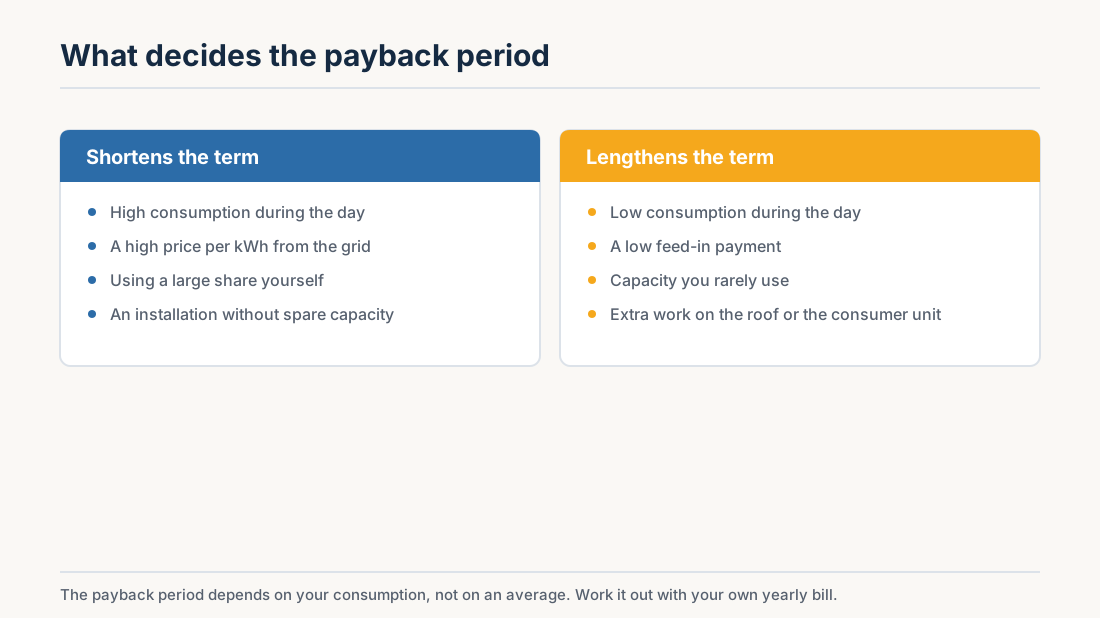
If your energy consumption is low and solar surplus remains minimal, investing in an LFP battery often results in a longer payback period and reduced cost-effectiveness.
Deciding on the right home battery depends largely on how much solar energy you generate and your energy consumption patterns throughout the day. LFP battery technology stands out due to its safety, long lifespan, and high efficiency, making it ideal for households seeking to maximize their self-consumption. To find the optimal storage capacity and system size for your needs, compare different options and request personalized quotes from providers like Soleva.
Frequently Asked Questions
What is the price of an LFP home battery system installed?
The installed price of an LFP home battery system ranges from €5,000 to €15,000 incl. VAT, depending on the battery capacity and installation complexity. Systems around 10 kWh usually cost about €10,000. Additional upgrades like inverter replacements or electrical panel updates can increase the total price.
Is LFP safer than Li-ion batteries for home use?
Yes, LFP batteries are safer than standard lithium-ion batteries because they resist overheating and thermal runaway, thanks to their stable chemistry. This stability reduces the risk of fire and simplifies installation requirements compared to cobalt-based lithium batteries.
What are the downsides of LFP batteries in real homes?
LFP batteries require more physical space due to their lower energy density. Consequently, you need more installation area compared to other lithium battery chemistries. Although initial costs are higher than lead-acid batteries, the longer lifespan offers better value over time.
How long does an LFP home battery last?
An LFP home battery typically lasts between 10 and 15 years under normal residential use. Most systems sustain 6,000 to 10,000 charge cycles before capacity declines to 80%, reducing replacement frequency and enhancing return on investment.
Can an LFP home battery work without solar panels?
Yes, an LFP home battery can function without solar panels by storing electricity from the grid during off-peak hours. This setup supports cost savings through time-of-use tariffs and can provide backup power. However, using the battery with solar panels maximizes energy savings and autonomy.
Indicative prices for the Belgian market, checked in August 2026 against energy-village.be, thuisbatterij.be and zen-zonne-energie.be. These are market ranges for an installed system including VAT, not a quotation: your price depends on capacity, brand and the state of your existing installation.
Read also
Ready to cut your energy bill?
Compare quotes for solar panels, home batteries and charging points.