Solar panels Belgium
smart energy management solar price & systems
A smart energy management solar system efficiently controls how your solar panels, battery storage, and household appliances utilize electricity to reduce costs and increase your self-consumption rates. By automatically shifting energy usage to the most efficient moments, particularly during dynamic tariff periods, you can rely less on the grid and maximize savings.
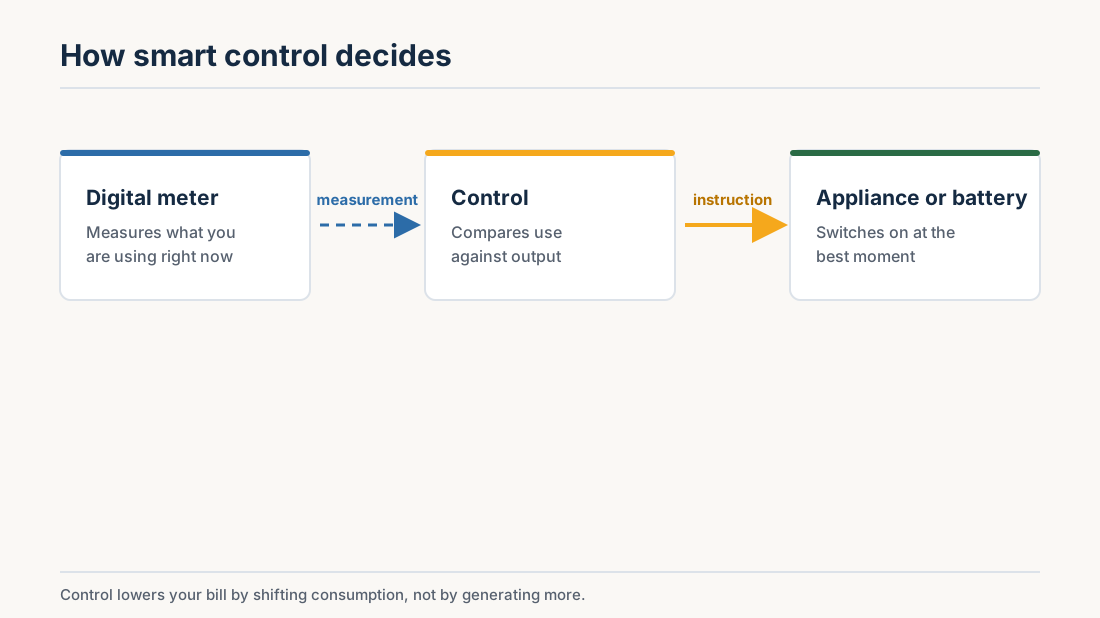
This guide explains how these systems function, explores devices like SolarEdge’s smart energy management tools, outlines the price range, and helps you choose the best setup for your home.
How does a solar energy management system optimize your energy use?
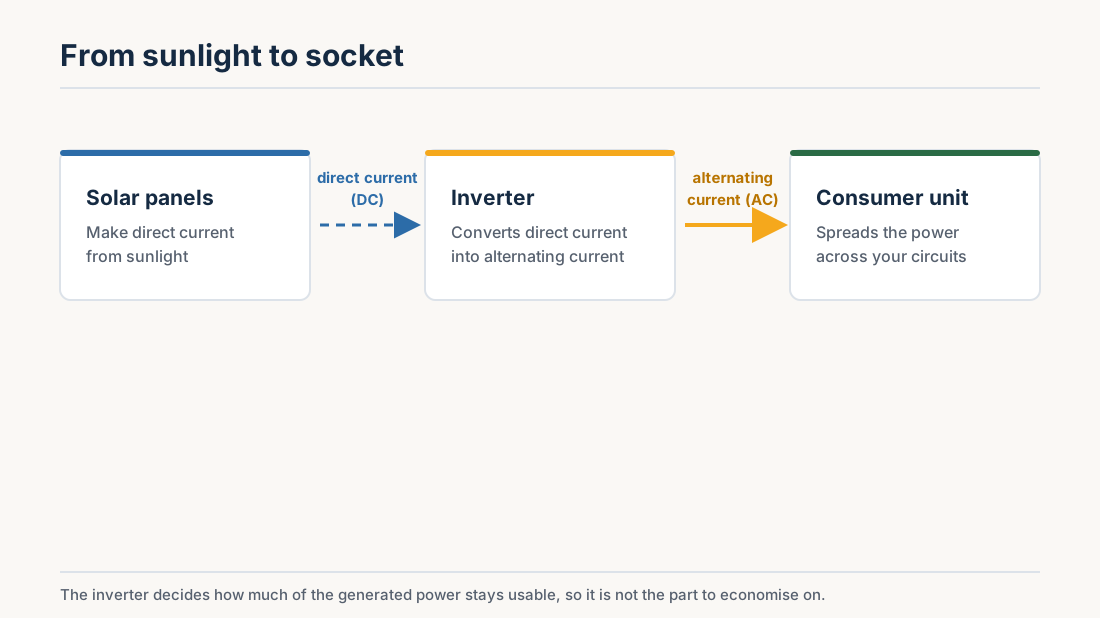
A solar energy management system actively monitors, controls, and optimizes your home’s energy production, storage, and consumption in real time. It integrates your solar panels, inverter, battery, and household appliances into a single intelligent network.
Using sensors, software, and automation, the system decides the best times to store energy, consume it, or export surplus to the grid. This approach can increase self-consumption by 20 - 30% compared to conventional solar installations.
What role does real-time monitoring play in smart solar homes?
Real-time monitoring provides continuous tracking of how much electricity your panels generate and how your household consumes it. This transparency allows you to adjust consumption habits and enables the system’s automation to respond promptly to changes in weather or energy needs.
In what way does AI scheduling enhance energy efficiency?
AI-powered scheduling shifts your energy use to the most cost-effective and efficient times. For instance, the system charges your battery during low-price hours and uses stored energy during expensive peak periods. This process supports peak shaving and load shifting, which cuts down costly grid consumption.
Can you explain peak shaving and load shifting?
Peak shaving lowers electricity consumption during high-cost hours by utilizing stored solar energy. Load shifting transfers energy usage to periods of high solar production and low demand. Together, these strategies reduce your electricity bill and improve system efficiency.
Which devices comprise SolarEdge smart energy management?
SolarEdge smart energy management includes devices that govern energy flows and control your appliances. These integrate seamlessly into your smart home solar system to automate consumption based on solar availability.
What functions does the SolarEdge Home Smart Switch provide?
The SolarEdge Home Smart Switch manages appliances up to 16A, automatically switching them on or off depending on solar energy availability. This ensures that energy-intensive devices operate when solar power is abundant.
How does the SolarEdge Smart Socket improve energy control?
The SolarEdge Smart Socket connects smaller appliances, allowing you remote control through an app. It supports both scheduling and manual overrides, enhancing daily flexibility and energy efficiency.
What is the purpose of the SolarEdge Home Load Controller?
The SolarEdge Home Load Controller handles heavy loads such as heat pumps or electric vehicle chargers, prioritizing energy use based on your customized system settings. This prevents circuit overload and maximizes solar energy utilization.
How does the SolarEdge smart save functionality enhance backup performance?
SolarEdge smart save prioritizes critical loads and reduces consumption from non-essential devices. During power outages, it extends the operational time of important systems, thereby improving energy security and backup capabilities.
What are the price ranges for smart energy management solar systems?
The price for a smart energy management solar system typically varies from €1,500 to €5,000 incl. VAT, depending on the system’s complexity and included devices.
The following price categories are common:
- Basic monitoring system: €1,500 - €2,500
- System with smart switches and sockets: €2,500 - €3,500
- Complete system with battery integration: €3,500 - €5,000
What does a full system cost breakdown look like?
A typical household setup includes these components:
- Energy management controller: €1,200
- Smart switches and sockets: €800
- Inverter integration: €600
- Installation and configuration: €1,200
The total cost is approximately €3,800 incl. VAT. Such an investment can reduce your energy bills by €150 - €300 annually based on your usage patterns.
For a broader understanding, compare these costs with a full solar panel system installation.
In which situations does smart energy management solar provide the greatest benefits?
Smart home solar systems deliver the most value in homes with variable energy demands and dynamic electricity pricing. The technology becomes particularly advantageous when combined with battery storage or electric vehicle charging.
Why is pairing a battery with smart management beneficial?
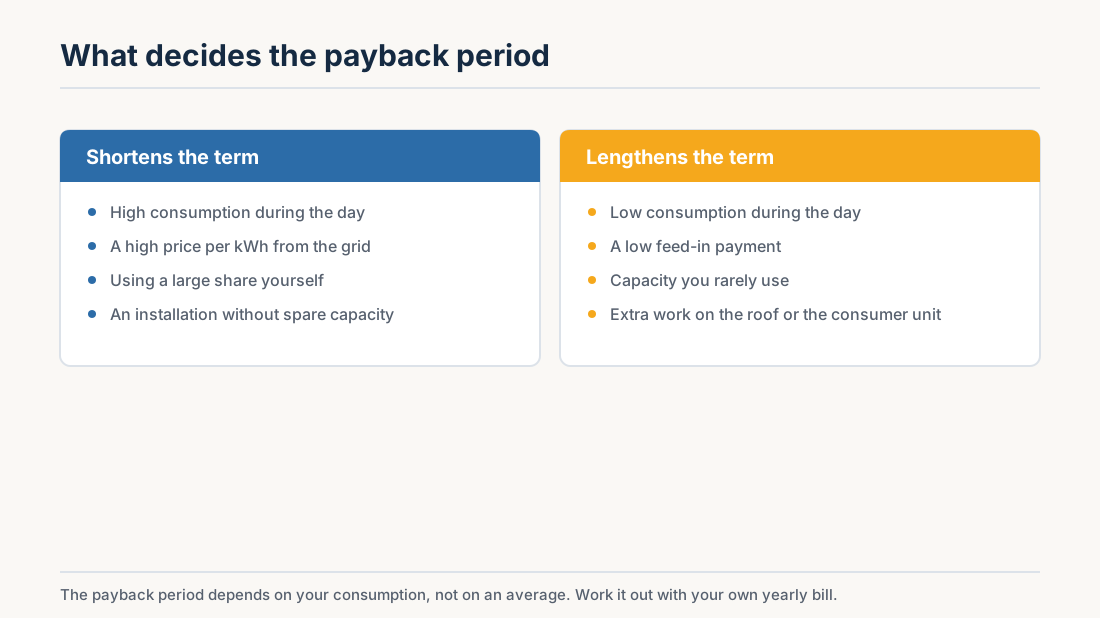
When combined with smart controls, a battery stores surplus solar energy and discharges it during peak pricing periods, significantly decreasing your reliance on the grid. In regions like Belgium, this combination can shorten payback periods to about 7 - 9 years.
How do dynamic tariffs affect your energy management choices?
Dynamic tariffs cause electricity prices to vary throughout the day. Smart systems automatically respond to these pricing changes, allowing you to purchase electricity when prices are low and avoid costly peak times.
What impact does electric vehicle charging have on smart solar systems?
Electric vehicles require considerable energy for charging. Smart energy management systems schedule EV charging during periods of high solar production or low electricity rates, reducing charging expenses and increasing solar energy usage.
What are the advantages and disadvantages of smart energy management solar?
Smart energy management solar systems offer improved efficiency and control but also come with higher upfront costs and greater operational complexity.
Advantages include lower electricity bills, increased energy independence, and enhanced system performance. However, disadvantages involve significant initial investment and reliance on software updates for optimal function.
A notable strength is how automation quickly adapts to fluctuating electricity prices, making the system highly practical for cost savings.
How do smart energy management solar systems compare to standard solar setups?
Smart energy management systems surpass traditional solar setups by actively managing energy flows instead of passively relying on immediate consumption or grid export.
Key differences include:
- Standard solar systems consume energy immediately or export excess to the grid.
- Smart systems optimize both when and how energy is used.
- Standard systems operate with fixed electricity tariffs.
- Smart systems adjust to dynamic pricing structures.
- Smart solutions can increase self-consumption by up to 30%.
For details on system sizing, explore solar panel configurations. To understand costs better, visit solar panel price breakdowns before considering smart upgrades.
Selecting a smart system for your solar installation depends largely on your desire for energy control and your electricity pricing structure. If you face dynamic tariffs, own a battery, or intend to use an electric vehicle charger, integrating smart energy management solar can quickly justify the investment through significant savings and greater energy autonomy. Begin by assessing your current energy consumption and gather multiple quotes via Soleva to compare tailored configurations and pricing before making your decision.
Frequently Asked Questions
What is smart energy management solar and how does it work?
Smart energy management solar is a system that automatically manages when your home uses solar energy, stores it in batteries, or draws electricity from the grid. By linking various devices and appliances, it optimizes energy use based on price, availability, and your specific demand, leading to reduced waste and increased efficiency over time.
What is the typical price of smart energy management solar for a small home?
The typical cost for a smart energy management solar system for a small home ranges from €1,500 to €3,000 incl. VAT. Prices depend on the number of smart devices included and whether the system integrates battery storage or electric vehicle chargers. Entry-level systems focus on monitoring, while advanced setups offer scheduling and automation features.
How does SolarEdge smart energy management improve home energy savings?
SolarEdge smart energy management enhances savings by prioritizing the use of your solar energy before relying on the grid. It controls appliances, schedules energy consumption strategically, and ensures that excess solar power is utilized efficiently. This reduces reliance on expensive peak electricity and increases your solar system’s financial return.
Can smart home solar systems operate effectively without a battery?
Yes, smart solar systems can function without a battery; however, the benefits are somewhat limited. Without battery storage, the system mainly shifts appliance usage to sunny periods. Adding a battery allows complete control over energy consumption timing, significantly boosting savings and reducing dependence on the grid.
How much more does smart energy management solar cost compared to standard solar setups?
The additional cost for smart energy management solar over standard solar installations ranges from €1,500 to €5,000 incl. VAT depending on setup complexity. This covers smart controllers, compatible devices, and software integration, all of which improve system efficiency and often shorten payback periods when paired with dynamic tariff plans.
Indicative prices for the Belgian market, checked in August 2026 against energy-village.be, thuisbatterij.be and zen-zonne-energie.be. These are market ranges for an installed system including VAT, not a quotation: your price depends on capacity, brand and the state of your existing installation.
Read also
Ready to cut your energy bill?
Compare quotes for solar panels, home batteries and charging points.