Solar panels Belgium
solar self-consumption explained | Save more energy
Solar self-consumption means using electricity generated by your solar panels directly in your home rather than exporting it to the grid, which effectively lowers your energy bill. In Belgium, this approach has become financially significant due to digital meter installations replacing net metering, combined with low feed-in tariffs and higher electricity prices.
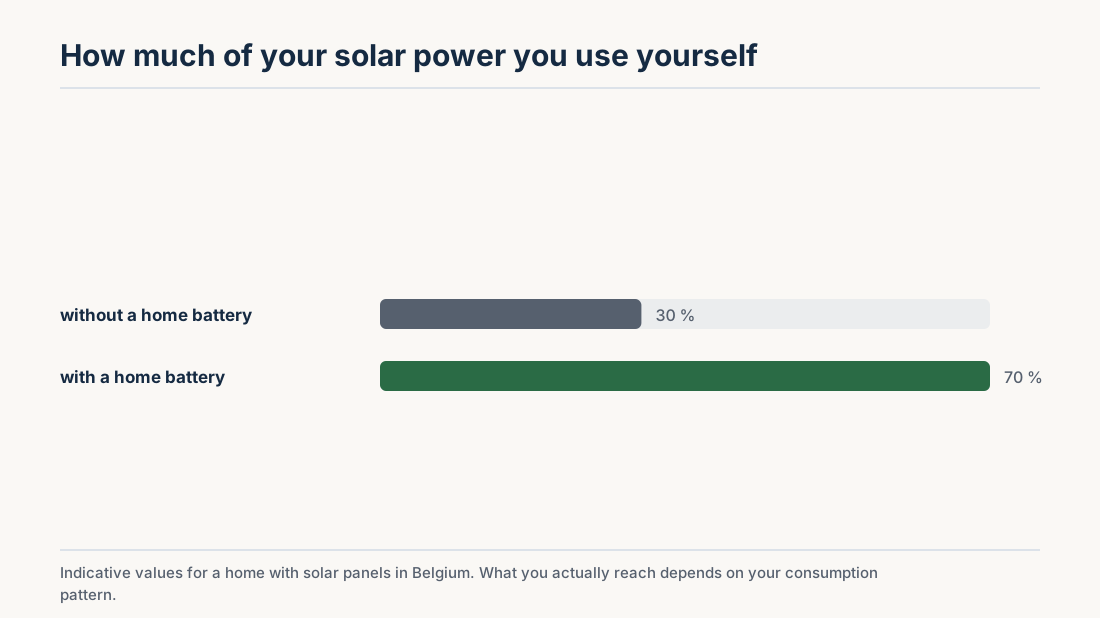
While an average household achieves about 30% direct solar energy usage, this can increase substantially with better consumption timing or energy storage solutions.
Read on to discover actionable strategies that help you maximize the benefits of your solar installation.
What exactly is solar self-consumption?
Solar self-consumption refers to the portion of solar electricity that your household uses immediately as it is produced, instead of selling it to the grid. This meaning highlights the direct use of energy at the location of generation.
When your solar panels generate electricity, your home appliances consume that power first. Any surplus energy that your home does not use either flows back into the grid or is stored in a battery for later use. This export to the grid is known as PV to grid export.
How do solar consumption and self-consumption differ?
Solar consumption includes the total electricity your household uses, combining solar energy and grid supply. In contrast, self-consumption only measures the share of your electricity needs met directly by your own solar production.
- Solar consumption covers your entire household electricity use, including grid power.
- Self-consumption counts only the solar energy you use immediately.
- Increasing self-consumption reduces your dependence on the electricity grid.
What is load consumption in solar energy?
Load consumption describes how and when your household appliances use electricity during the day. Aligning your electrical load with your solar production raises your direct solar energy usage.
Typical daytime electrical loads include:
- Washing machines and dishwashers that can run during the day
- Heat pumps and boilers optimizing daytime operation
- Electric vehicle charging systems scheduled for sunny hours
How does solar self-consumption operate in real life?
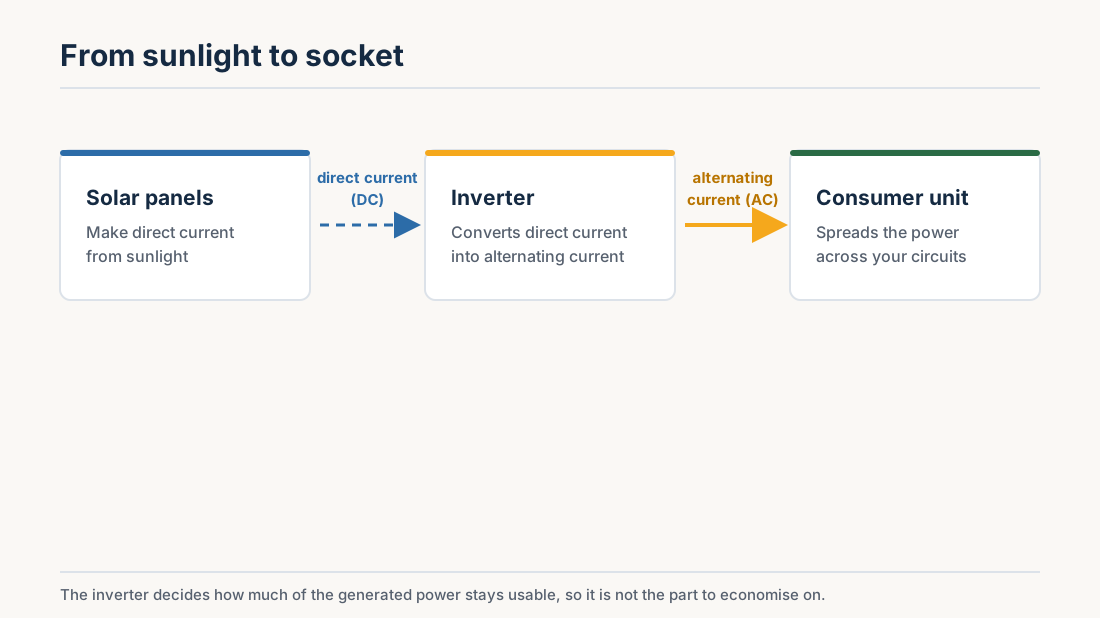
The principle of solar self-consumption is that your household electricity demand is prioritized over sending excess energy to the grid. Your inverter directs the solar generation to household appliances first.
The key components include your solar panels, an inverter managing power flow, and optionally, a solar panel system equipped with monitoring technologies that track energy production and consumption in real time.
What does self-consumption mode in solar systems mean?
Self-consumption mode is a system configuration that maximizes local use of solar energy before exporting surplus power. Smart inverters and home energy management systems can automatically operate appliances when solar power is abundant to increase efficiency.
Where does surplus electricity go?
Excess electricity generated behaves in two ways:
- It can be exported to the grid, usually earning minimal compensation.
- It can be stored in a home battery to be consumed later when solar production decreases.
In Belgium, negative electricity prices have occurred for over 520 hours annually, which lowers the financial value of exporting energy and strengthens the benefit of using solar electricity locally.
Why is solar self-consumption particularly relevant today?
Solar self-consumption improves your financial return by decreasing the need to buy electricity at higher grid prices compared to selling it back at lower feed-in tariffs. Using your solar energy directly avoids purchasing electricity at peak rates.
Though solar production increased by over 20% in Belgium, residential installations in Flanders declined by 46%. This trend demonstrates a shift from simply installing more panels to focusing on smarter energy consumption.
How do electricity tariffs affect self-consumption?
Digital metering devices record your exact energy consumption and injection into the grid. Capacity-based tariffs and low feed-in rates incentivize consumers to use solar energy locally by rewarding direct consumption.
What benefits does solar self-consumption offer?
- Reduced electricity bills through direct use of solar power
- Less exposure to fluctuations in electricity prices
- Improved profitability and return on your solar investment
- Greater independence from the electricity grid
How can you calculate solar self-consumption?
You calculate the solar self-consumption rate with this formula:
- (Total solar energy produced minus energy exported to the grid) divided by total solar energy produced
This calculation reveals the percentage of solar electricity you directly consume in your home.
How does a solar battery calculator in Excel work?
A solar battery calculator model in Excel helps estimate how adding a battery can increase your solar self-consumption. It uses data such as solar production, consumption patterns, and battery capacity to simulate usage.
Can you see an example?
Consider a household producing 4,000 kWh annually, with 2,800 kWh exported to the grid.
- Solar energy consumed directly: 1,200 kWh
- Self-consumption rate: 30%
By adding a battery, this rate could rise to 50% or more, depending on battery size and consumption habits.
Which methods most effectively increase solar self-consumption?
Combining behavioural adjustments with technological solutions results in the best improvements. Adjusting when you use energy can provide benefits immediately without extra investment.
What appliances are best to shift to solar peak hours?
Running certain appliances during peak sunlight hours boosts direct solar usage.
- Heating water around midday
- Operating dishwashers and washing machines with delayed start functions
- Using air conditioning during periods of high solar production
How do smart energy management systems increase self-consumption?
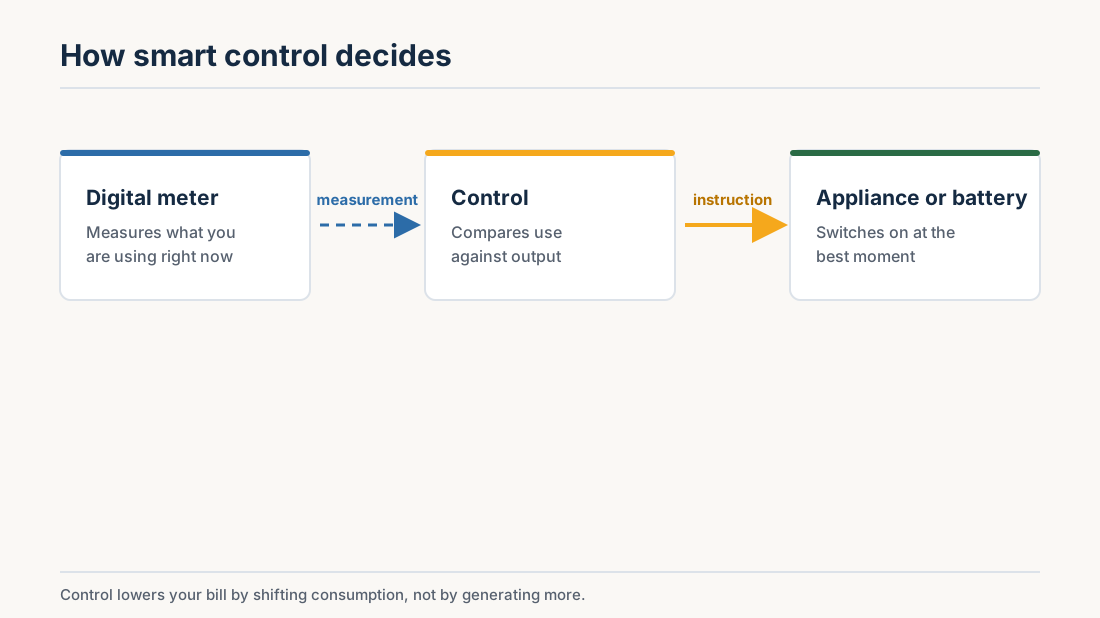
Smart Home Energy Management Systems can automatically control when devices operate, basing activity on available solar power. This automation increases solar energy use efficiently without you needing to manage it.
What impact does adding a home battery have?
A home battery stores surplus energy to use during evening or low production times. Such storage typically raises solar self-consumption from approximately 30% up to 50% or even 70% in many cases.
Exploring options like complete solar systems combined with appropriate storage can significantly improve your solar system’s performance.
How does system size influence solar self-consumption?
The size of your solar system impacts the balance between energy you use immediately and what you export. Larger systems tend to produce surplus energy, reducing the percentage of direct usage.
What differences arise between system sizes?
Comparing two system sizes illustrates this clearly:
- A smaller system may satisfy about 40% of household demand with a 30% self-consumption rate
- A larger system slightly increases demand coverage but lowers self-consumption to around 22%
What is the recommended system sizing approach?
For best results, size your system to match your daytime electricity consumption. Oversizing without storage increases energy export and reduces financial benefit.
Carefully reviewing your annual electricity use and consulting a solar system sizing guide will help you make informed decisions.
Which trends are shaping solar self-consumption in Belgium?
Belgium is experiencing a clear shift toward prioritizing local energy use. The region of Flanders holds over 60% of the country’s solar capacity and leads in introducing supportive regulations.
Why do negative electricity prices matter?
Negative prices happen when high solar production coincides with low demand, resulting in little or no revenue from exporting electricity. This encourages consumers to use more solar energy locally.
What future technologies enhance self-consumption?
- Smart meters offering real-time consumption and production data
- Dynamic tariffs that align costs with consumption timing
- Integration of solar systems with electric vehicle chargers and heat pumps
The market’s rapid shift from focusing solely on production to emphasizing efficient usage improves long-term returns without necessarily increasing system size.
How do behavioural habits influence solar self-consumption psychology?
Self-consumption psychology studies how daily habits and user behaviour affect energy consumption patterns. Adjusting habits can increase direct solar consumption without needing new technology.
What habits improve efficiency?
- Using appliances during periods of sunlight
- Tracking energy use through monitoring apps
- Eliminating unnecessary standby power consumption
How is solar self-consumption similar to self-consumption in food?
Self-consumption in food means consuming what you produce locally. The same concept applies to solar energy: using what you generate locally enhances efficiency and reduces reliance on external sources.
Maximizing the use of your own solar energy significantly increases the profitability of your solar installation. The key is to consume more electricity while your panels are producing and to store any surplus for later use. When planning a new solar system, start with realistic sizing aligned with your consumption and consider smart control methods before investing in battery storage. Through Soleva, you can compare tailored solutions and request quotes that fit your energy profile and savings objectives.
Frequently Asked Questions
What is solar self-consumption in simple terms?
Solar self-consumption means using the electricity generated by your solar panels instantly within your home instead of sending it to the grid. This reduces your dependence on grid electricity and lowers your energy costs. Greater direct usage increases the financial benefits of your solar investment.
How much solar self-consumption is typical for households?
Typically, households reach about 30% solar self-consumption without any optimization. By adjusting energy use timing and installing smart systems, this can increase to around 40%. Incorporating a battery can further raise self-consumption to 50% or more, depending on your consumption habits and system size.
What does it cost to improve solar self-consumption with a battery?
The cost of adding a battery to increase solar self-consumption varies by capacity. Prices usually range from €1,000 to €2,500 per kWh. While larger batteries improve energy independence, they require a higher initial investment, so selecting size based on your actual consumption is essential.
Is using solar self-consumption more beneficial than selling electricity back to the grid?
Solar self-consumption generally offers better financial returns because the price you pay to buy electricity is higher than the compensation you receive for exporting it. Using your generated energy directly helps you avoid purchasing costly power, increasing your overall savings.
How does a higher solar self-consumption rate affect the system’s payback time?
Increasing your solar self-consumption reduces your payback period by replacing more of your grid electricity with your own solar energy. Systems equipped with smart controls or batteries tend to achieve faster return on investment compared to those exporting large volumes of energy with minimal compensation.
Indicative prices for the Belgian market, checked in August 2026 against energy-village.be, thuisbatterij.be and zen-zonne-energie.be. These are market ranges for an installed system including VAT, not a quotation: your price depends on capacity, brand and the state of your existing installation.
Read also
Ready to cut your energy bill?
Compare quotes for solar panels, home batteries and charging points.