Solar panels Belgium
solar battery backup power outage explained
A solar battery backup power outage system provides your home with electricity during grid failures by storing solar energy and supplying it instantly when the power goes out. If you have solar panels, maintaining power during an outage depends on whether your system has battery storage along with an islanding inverter. Most grid-tied solar systems shut off automatically for safety reasons, while systems equipped with batteries continue powering essential circuits.
Why Do Solar Panels Stop Producing Power During an Outage?
Solar panels connected to the grid stop supplying electricity during a blackout because grid-tied systems include an automatic safety shutdown. This feature prevents electricity from flowing back into damaged utility lines, protecting workers repairing the grid.
This explains why, if you have solar panels without a battery or special inverter, your power still goes out during a blackout. Standard inverters rely on the grid to function, so they shut down immediately when grid power fails.
Can You Still Get Power from Solar Panels in an Outage?
You only maintain power if your solar system includes a battery or a backup inverter. Without these components, the inverter shuts down, and your solar panels stop delivering electricity.
Do Battery-Backed Solar Systems Require Grid Power to Operate?
No. Properly configured solar battery systems switch automatically to battery power when the grid fails, isolating your home through a process called islanding. This creates a self-sufficient electrical circuit that continues providing power independently from the grid.
How Does a Solar Battery Backup System Work During an Outage?
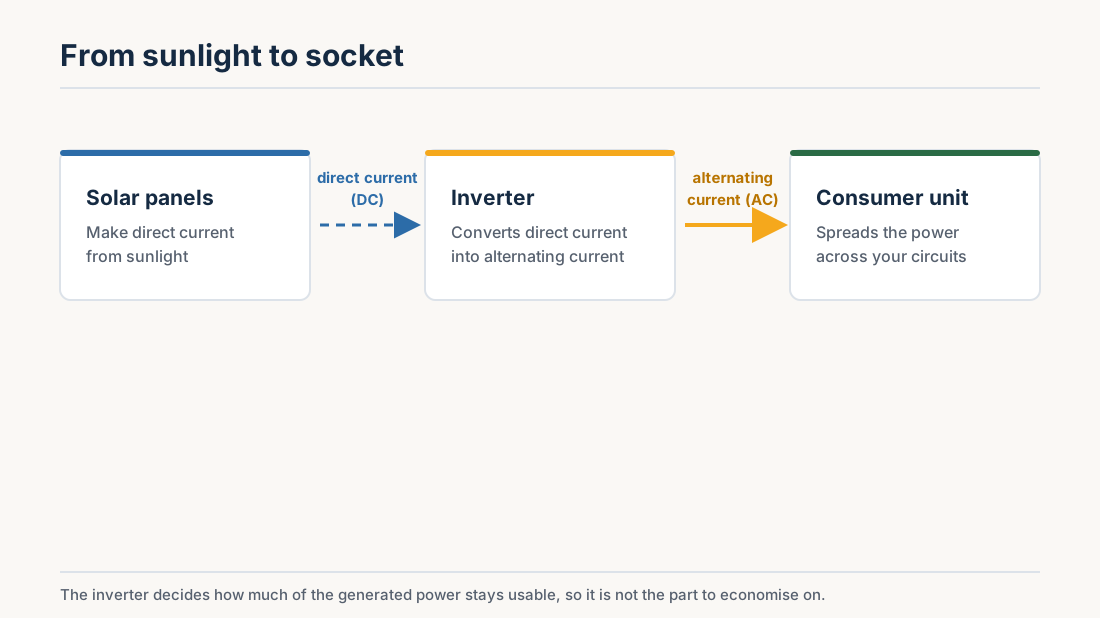
A solar battery backup system stores excess energy generated by your solar panels and supplies this stored electricity to your home when the grid is down. It switches to backup mode within seconds after detecting a power outage.
The system consists of three main components, each playing a vital role:
- Battery Storage: Holds energy measured in kilowatt-hours (kWh) for later use.
- Hybrid Inverter: Manages energy flow and safely disconnects from the grid.
- Backup Circuit: Powers selected essential appliances during an outage.
What Happens When the Power Goes Out?
The hybrid inverter disconnects from the grid and activates backup mode, using battery power to supply your home. During daytime, if supported, your solar panels recharge the battery while continuing to power critical loads.
What Is a Critical Loads Panel?
A critical loads panel is a dedicated electrical panel that prioritizes powering essential devices, extending the battery runtime and preventing overloads. Typical critical loads include:
- Refrigerator
- Lighting
- Internet router
- Medical devices
How Long Can a Solar Battery Power Your Home in an Outage?
The length of backup power depends on your battery capacity, energy usage, and available solar charging during the day.
For example, a 10 kWh battery usually powers critical loads in a small household for 12 to 24 hours. Larger households generally experience shorter runtimes due to increased consumption.
Typical Runtime Scenarios During an Outage
- Small apartment: 24 to 36 hours
- Medium-sized home: 12 to 18 hours
- Large home: 3 to 10 hours
What Influences How Long the Battery Lasts?
Several factors affect battery performance, including:
- Total battery storage capacity (kWh)
- Power demand from appliances (watts)
- Solar panel recharge capability during daylight
- Use of a critical loads panel to manage essential devices
Managing and reducing energy consumption during an outage can significantly extend your backup duration.
What Is the Cost of a Solar Battery Backup System?
The cost of a home solar battery backup system typically ranges from €6,000 to €16,000 including VAT, depending on battery capacity and installation complexity.
The price includes multiple components and services:
- Battery unit
- Hybrid inverter
- Installation and wiring
- Backup system configuration
Example Cost Breakdown for a Complete System
A typical 10 kWh system may cost around €6,000 for the battery, €1,500 for the inverter, €2,000 for installation, and €1,000 for backup setup. The total investment would be approximately €10,500 including VAT.
What Factors Can Increase the Price?
Additional features can raise the total cost, such as:
- Larger battery capacities
- Full-home backup systems rather than partial backups
- Advanced energy management systems
To find solar setups matching your needs, explore solar panel solutions and backup configurations.
What Backup Options Are Available Aside from Solar Batteries?
Besides solar batteries, backup solutions include fuel generators and special inverters designed for limited backup power. Each option varies in reliability, environmental impact, and usability.
Comparing Solar Batteries and Generators
- Solar Battery: Quiet, clean, renewable, and operates automatically.
- Generator: Requires fuel, produces noise, demands regular maintenance, and usually needs manual startup.
Generators can provide extended runtimes but rely on stored fuel, while solar batteries offer safer and more environmentally friendly operation.
Special Inverters for Limited Backup Power
Some inverters supply up to around 2,000 watts without batteries during sunlight hours. This restricted output supports a few essential devices but cannot power an entire home.
Where Does Installing a Solar Battery Backup System Make the Most Sense?
Solar battery backup systems are most beneficial in locations with frequent outages or for homeowners seeking greater energy independence.
Common scenarios include:
- Regions with unstable grids, such as certain areas in Texas or California
- Homes with critical medical or communication devices
- Households aiming to reduce dependency on the electrical grid
What Is the 20% Rule in Solar Systems?
The 20% rule limits how much the inverter’s capacity exceeds the solar panel array’s capacity, preserving system stability and safety during peak solar production.
How Can You Prepare for Multi-Day Outages?
Combining a battery system with 20 to 40 kWh capacity and energy prioritization can support your home through outages lasting several days. Solar panels help recharge batteries in daytime, extending backup duration effectively.
Consider comparing various configurations by reviewing complete solar systems tailored to your energy usage.
When Might a Solar Battery Backup System Not Be the Ideal Choice?
Battery backup systems may not be the best option if outages are infrequent or brief.
Circumstances where batteries could be less suitable include:
- Areas with a stable grid and minimal outages
- Homes with low electricity consumption
- Projects limited by tight budgets
In such cases, investing in efficient solar panels or grid optimization may offer higher value. Starting with a basic solar panel system and expanding later is a practical approach if you are unsure.
Adding a solar battery to your existing solar setup converts it into a reliable backup power system capable of powering essential appliances during outages. To maximize effectiveness, focus on selecting the right battery capacity and configuring your backup system smartly. If you need guidance on system sizing or pricing options, request personalized quotes and compare solutions to match your home and energy needs.
Frequently Asked Questions
How long will a solar battery last during a power outage?
The runtime of a solar battery varies widely, from several hours up to multiple days, depending on system size and power usage. Small systems generally support essential appliances for one day, while larger capacities ranging from 20 to 40 kWh enable longer backup times, especially with solar recharge during the day and careful energy management.
If you have solar panels and the power goes out, do you still have power without a battery?
No, solar panels connected to the grid automatically shut off during outages for safety reasons. Without a battery or a backup inverter, your solar system stops supplying electricity to the home during a blackout, preventing electricity from flowing into grid lines where work is underway.
What is the cost difference between partial and full home backup systems?
Partial backup systems power only essential circuits and require smaller batteries and less wiring, making them less expensive. Full home backup systems cover all household loads, needing larger batteries and more complex installations, which results in a higher total cost by several thousand euros.
Do I need to reset my solar system after a power outage?
Modern solar systems automatically restart when grid power returns. The inverter reconnects and resumes normal operation without any manual reset. Battery-backed systems also switch back from backup mode to grid-connected mode seamlessly. Manual resets are rarely necessary and usually only required for older or faulty equipment.
Are solar battery backup systems discussed on Reddit reliable sources?
Online discussions about solar battery backup systems on platforms like Reddit share personal experiences that can vary widely. Actual system performance depends significantly on factors like design, battery capacity, and professional installation. For reliable results, consult with qualified solar professionals rather than relying solely on anecdotal online reports.
Indicative prices for the Belgian market, checked in August 2026 against energy-village.be, thuisbatterij.be and zen-zonne-energie.be. These are market ranges for an installed system including VAT, not a quotation: your price depends on capacity, brand and the state of your existing installation.
Read also
Ready to cut your energy bill?
Compare quotes for solar panels, home batteries and charging points.