Solar panels Belgium
Solar panels with heat pump price and savings
Using solar panels with a heat pump creates an efficient energy system that generates electricity and uses it effectively for heating your home, reducing your energy bills and reliance on fossil fuels. Typically, photovoltaic solar panels provide between 40 and 60 percent of the electricity that powers an air source heat pump in many households. This combination improves your energy self-consumption, especially when paired with smart controls or battery storage.
How do solar panels and a heat pump work together to heat your home?
A heat pump powered by solar panels uses the electricity generated from sunlight to run the heat pump, which extracts heat from the air or ground and transfers it to your living space. This process significantly increases energy efficiency because heat pumps can produce three to four units of heat for every unit of electricity consumed.
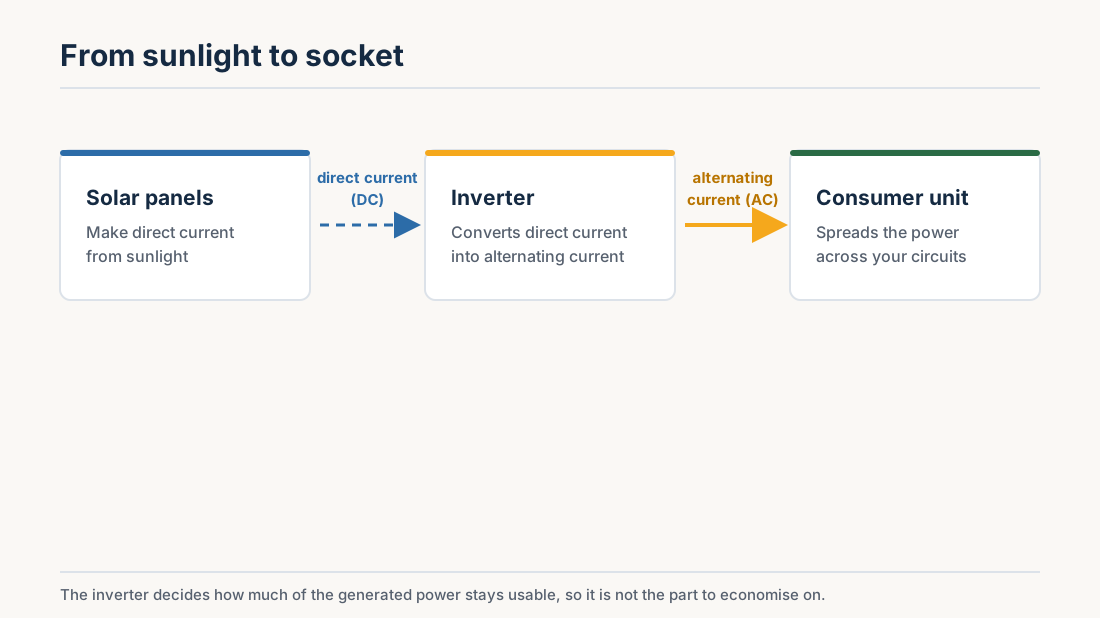
The complete system includes photovoltaic panels, an inverter, and a heat pump unit. During daylight hours, electricity flows directly from the solar panels to power the heat pump. Any surplus energy can be used by other appliances or fed back into the electricity grid.
To fully understand the basics of photovoltaic systems and how production matches consumption, you can visit solar panel systems explained.
What is an air source heat pump combined with solar panels?
An air source heat pump combined with solar panels uses ambient outside air as the heat source while running on solar-generated electricity. This is the most common residential setup because it has lower installation complexity compared to ground source heat pumps.
This configuration works effectively in moderate climates and pairs well with heating systems such as underfloor heating or large radiators.
Can I power my heat pump entirely with solar panels?
Yes, you can power your heat pump with solar panels. For example, a typical 5 kW heat pump requires about 1.7 kW of electricity during operation, while a standard solar array can produce 3 to 4 kW at peak times.
This means your solar panels often cover the heat pump’s daytime electricity needs, and electricity from the grid supports heating demands during evenings or winter months.
Do heat pumps and solar panels save money on energy bills?
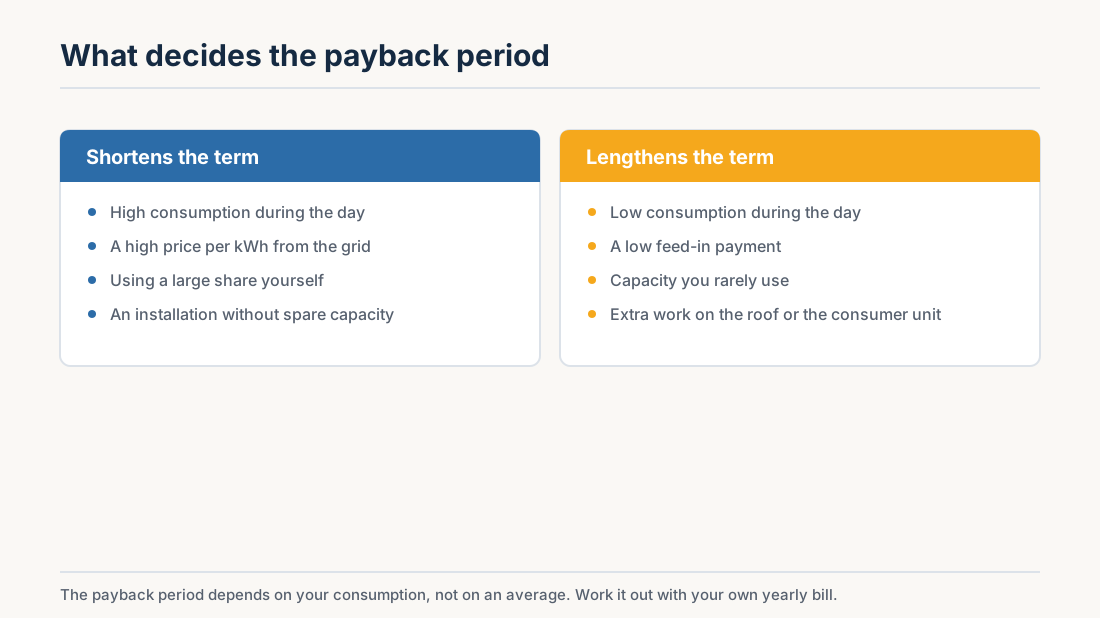
Combining heat pumps with solar panels reduces your reliance on grid electricity and can replace gas heating, leading to cost savings. The amount you save depends on your system’s size, your home’s insulation, and electricity rates.
Homes that optimize how they use their own solar power, especially by implementing smart energy management, achieve higher savings.
What is the cost of installing solar panels with a heat pump?
The combined cost of solar panels with a heat pump for residential properties typically ranges from €25,000 to €45,000 including VAT, depending on system capacity and installation complexity.
Below are typical price ranges for different configurations.
- Solar panels only: €9,000 - €18,000 including VAT
- Heat pump with solar panels: €25,000 - €45,000 including VAT
- Heat pump, solar panels, and battery storage: €35,000 - €60,000 including VAT
Example cost calculation for a combined system
A practical breakdown of costs for a mid-sized system is as follows:
- 12 solar panels (400 Wp each): 12 × €300 = €3,600
- Hybrid inverter: €1,800
- Air source heat pump: €10,500
- Installation and electrical work: €4,000
- Mounting system and wiring: €1,200
The total investment equals approximately €21,100 including VAT for this example.
Which factors most influence the system cost?
Several technical and property-specific factors impact the final price, including:
- The type of heat pump used; air source systems are generally less expensive than ground source versions
- The number and capacity of solar panels; more panels increase output and cost
- Roof type and how easy it is to access for installation
- Whether your home requires insulation upgrades
You can compare different system sizes in detail by visiting solar panel price overview to help estimate your total investment.
How many solar panels do you need to run a heat pump system effectively?
The number of solar panels needed depends on your heat pump’s electricity consumption and your household’s total energy demand. Typically, a home requires between 9 and 13 solar panels to support a 5 kW heat pump system effectively.
What size solar system matches heat pump demand?
A 4 kWp solar panel system generally corresponds well with a standard heat pump in a two to three-bedroom home. Such a setup generates sufficient electricity to cover your heating needs and part of your household electricity consumption.
You can use solar panel sizing tools to calculate your exact needs based on your energy usage and roof size.
What factors affect how many panels are required?
The number of panels needed increases with higher heating demand or lower solar energy yields.
- Homes with poor insulation increase heat pump operation time
- North-facing roofs receive less sunlight and reduce solar output
- Larger homes generally require more capacity
It is advisable to add approximately 20% extra capacity to prevent undersizing, particularly if your heating depends entirely on electricity.
Is investing in a heat pump worthwhile when combined with solar panels?
Investing in a heat pump alongside solar panels is a smart choice because it maximizes the use of your self-generated electricity and reduces long-term energy expenses.
This combination enhances your energy independence and lowers carbon emissions when compared to traditional gas boilers.
How does this setup compare to a gas boiler?
Gas boilers convert fuel directly into heat, whereas heat pumps amplify the electrical input by moving heat from the outside air or ground. This leads to significantly lower energy consumption for equivalent heat output.
When you power the heat pump with solar electricity, your operational costs decrease further because part of your energy is produced without charge.
When might this system not be the best option?
This setup is less effective in homes with inadequate insulation or limited roof space for solar panels. The high initial investment can also limit financial benefits in the short term.
In such situations, improving insulation before installing a heat pump and solar panels generally offers better results.
How do batteries and smart energy systems enhance system performance?
Batteries store excess solar energy generated during the day for use at times when solar production is low. This increases self-consumption rates from approximately 30% up to 70 to 80% in well-optimized systems.
This is important because peak heating demand often occurs when solar production is minimal, such as in the early morning or evening.
Is a battery necessary for a heat pump and solar panel system?
A battery is not essential, but it significantly improves system efficiency and reduces your dependence on grid electricity.
Without battery storage, surplus energy generated during the daytime is often exported to the grid rather than used for evening heating.
What benefits do smart energy management systems provide?
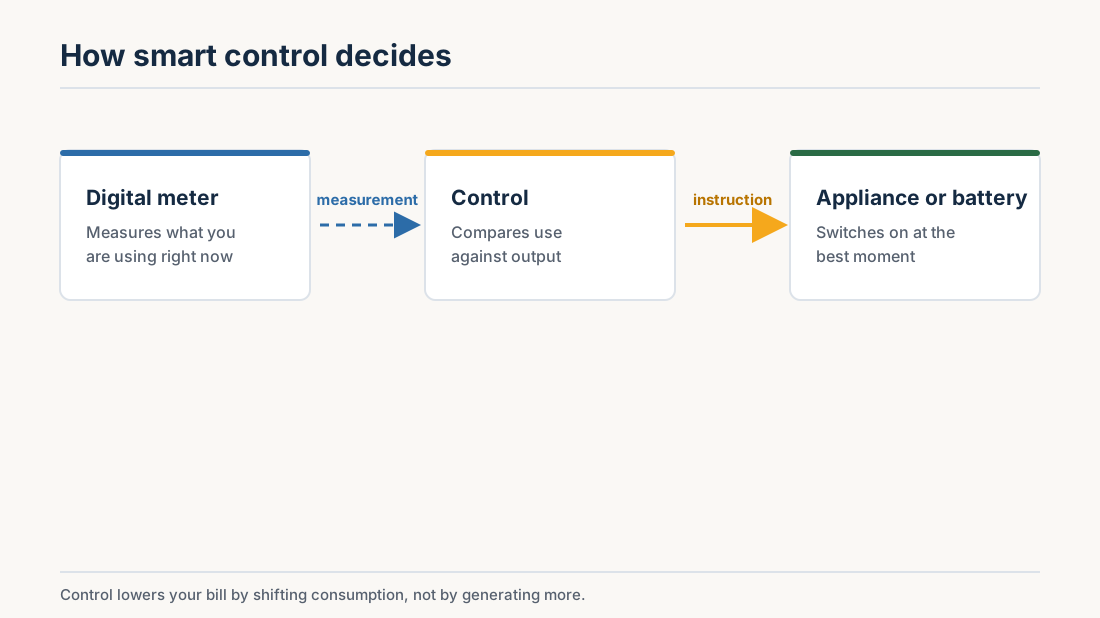
Smart energy management systems schedule your heat pump operation to align with peak solar production, activating the heat pump when the sun is shining most strongly.
This approach increases your return on investment and keeps your energy costs stable.
What should you consider before purchasing solar panels with a heat pump?
The ideal system depends on your property’s specifics, energy consumption patterns, and technical setup.
Which homes are well-suited for solar panels with a heat pump?
Homes that are suitable typically have:
- Good insulation to reduce heat loss
- A roof with sufficient space that receives ample sunlight
- Heating systems designed for lower temperature operation, such as underfloor heating
How do plug-in solar panels work for smaller installations?
Plug-in solar panels are small-scale systems that connect directly to a power socket, making them suitable for apartments or balconies.
They generate limited electricity and require proper electrical safety assessments before installation.
Where can you get professional advice on solar panels with heat pumps?
Getting accurate system sizing and professional installation is crucial for optimal performance. You can request customized quotes and compare options through solar installation quotes to make an informed choice.
Combining solar panels with an efficient heat pump system helps you manage electricity and heating costs effectively while reducing your reliance on the grid. The key benefits come from maximizing your own energy production and ensuring your home’s insulation and system sizing match your needs. To realize the best savings and performance, prioritize proper system design and insulation upgrades before installation. To explore your options and obtain competitive offers, Soleva supports you in comparing systems and connecting with qualified professionals for energy-efficient heating solutions.
Frequently Asked Questions
Can solar panels fully power a heat pump throughout the year?
Solar panels can fully power a heat pump during summer when sunlight is abundant and heating needs are low. However, in winter, shorter days and higher heating requirements reduce solar coverage, so the system depends on grid electricity or stored battery energy. Using a battery can increase year-round energy independence but does not completely eliminate seasonal variation.
What is the price difference between combined solar panels and heat pump systems and separate installations?
Combined solar panel and heat pump systems often have lower installation costs due to shared infrastructure, but the overall investment is similar to installing the systems separately. The main financial benefit comes from better energy efficiency and reduced operating expenses over time rather than upfront costs.
How does a solar-powered heat pump for a swimming pool work?
A solar-powered heat pump for pools uses electricity generated by solar panels to operate the pump that extracts heat from the ambient air and transfers it to the pool water. This approach efficiently maintains water temperature, especially during sunny periods when pool use and solar production coincide.
What is the 20% rule when sizing solar panels for heating?
The 20% rule recommends sizing your solar panel system about 20% larger than your calculated energy consumption. This buffer covers system inefficiencies, seasonal changes, and future increased energy demands like electric vehicle charging or heating upgrades. For heat pump systems, this oversizing helps prevent underperformance during colder times.
Are solar panels with heat pumps suitable for apartment buildings?
Solar panels combined with heat pumps are generally less suitable for apartments because of limited roof access and insufficient outdoor space for the heat pump units. Plug-in solar panels provide an alternative for electricity generation in such settings, but heating solutions like shared systems or district heating are often more practical for apartments.
Indicative prices for the Belgian market, checked in August 2026 against energy-village.be, thuisbatterij.be and zen-zonne-energie.be. These are market ranges for an installed system including VAT, not a quotation: your price depends on capacity, brand and the state of your existing installation.
Read also
Ready to cut your energy bill?
Compare quotes for solar panels, home batteries and charging points.