Solar panels Belgium
solar panels electric heating guide & price
Using solar panels to power electric heating systems enables you to convert sunlight into electricity that fuels electric radiators, heat pumps, or underfloor heating in your home. This method reduces reliance on grid energy and increases self-consumption, especially when paired with efficient heating technologies and smart controls.
In Belgium, a typical residential solar system produces about 850 to 1,000 kWh per kWp yearly, which directly affects how much heating you can cover.
How does solar panels electric heating work in practice?
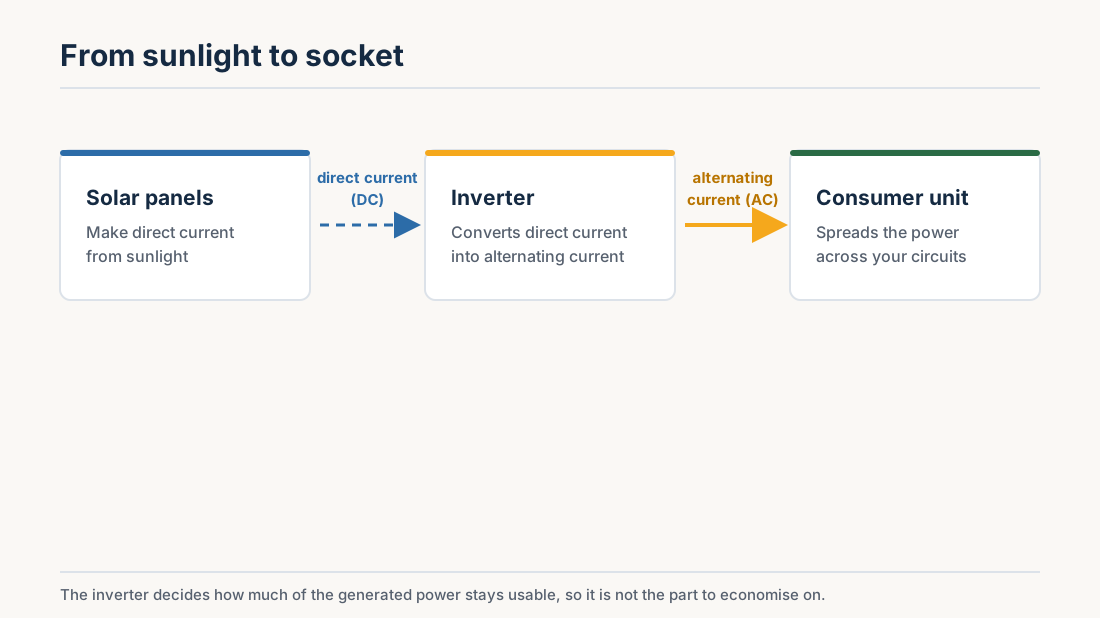
Solar panels electric heating operates by converting sunlight into electricity that powers various heating systems in your home. Photovoltaic panels produce direct current (DC) electricity, which an inverter transforms into alternating current (AC) suitable for household use.
This electricity feeds devices such as electric radiators, underfloor heating systems, or heat pumps. It’s important to note that solar panels generate electricity, not direct heat; they supply energy to equipment that produces heat.
What is the energy flow between solar panels and your heater?
The process involves several steps, each impacting the overall efficiency and effectiveness.
- Solar panels capture sunlight and generate DC electricity.
- An inverter converts DC electricity into AC electricity usable by your home.
- The electricity flows through your home’s electrical system.
- Heating devices consume the electricity to produce heat.
For a full overview of all system components, explore how solar panel systems work.
Which heating systems are suitable for running on solar electricity?
The most compatible options are fully electric heating systems that can directly use electricity generated by solar panels.
- Electric radiators equipped with thermostats and timers for effective control.
- Infrared panels that warm objects and people directly.
- Electric underfloor heating systems that maintain consistent and even warmth.
- Heat pumps, which amplify heat output by extracting ambient heat, offering higher efficiency.
Heat pumps particularly stand out because they deliver more heat energy than the electricity they consume, making them highly cost-effective.
Is it possible for solar panels to run an electric heater?
Yes, solar panels can power an electric heater, provided that enough electricity is generated when the heater runs. Heating devices often require considerable energy, and solar power availability varies throughout the day.
A typical electric heater uses between 1 and 2 kW per hour. Because solar electricity production fluctuates with sunlight, continuous heater operation depends on timing and storage solutions.
Can electric heaters run solely on solar panels all day long?
Continuous use hinges on solar generation and available storage. During sunny periods, solar panels can supply electricity directly to heaters. However, at night or during overcast weather, the system must rely on grid electricity unless you have a battery that stores excess solar energy.
Why is a home battery important for solar electric heating systems?
A home battery stores surplus solar electricity produced during the day, allowing you to use this energy in the evenings or when sunlight is insufficient. Installing a battery can raise your solar self-consumption rate to over 50 percent in many households.
Learn more by reviewing a detailed solar energy setup.
How many solar panels do you need to run electric heating systems?
The number of solar panels required depends on your heater’s power, daily usage hours, and the system’s overall efficiency. For example, a 2 kW electric heater running for 5 hours consumes about 10 kWh of electricity.
Example calculation for daily heating demand
Consider a common scenario:
- Heater power: 2 kW
- Daily run time: 5 hours
- Total daily consumption: 10 kWh
- Solar panel capacity: approximately 300 - 400 Wp per panel
To meet this demand on a sunny day, you would need about 8 to 12 solar panels. Production drops significantly in winter, making you more dependent on the grid during that season.
For an accurate estimate tailored to your consumption, use a solar panel sizing guide.
Can solar panels effectively heat a house during winter?
In most climates, solar panels alone cannot fully heat a house in winter, as solar production decreases while heating demand increases. For instance, a system that produces 20 kWh daily in summer may generate only a small fraction of that during winter months.
Why does winter impact solar heating efficiency?
Several factors contribute to reduced solar performance in cold seasons.
- Shorter daylight hours limit solar generation time.
- Lower sun angles and reduced solar intensity decrease output.
- Indoor heating demands rise due to colder temperatures.
What are better winter solutions for solar heating?
The most reliable setups combine solar panels with efficient heating systems and backup power sources.
- Heat pumps can reduce overall electricity needed for heating.
- Home batteries store surplus energy from sunny days for use during darker periods.
- Grid connection acts as a backup to ensure continuous heating supply.
This hybrid approach guarantees stable heating throughout the year.
What is the typical price for solar panels electric heating systems?
The price for solar panels used in electric heating systems ranges from €6,000 to €12,000 for the panels alone, excluding heating devices and storage solutions. Your total investment depends on the solar system size, battery size, and the heating technology you choose.
Typical price components are as follows:
- 5 kWp solar system: €5,200 - €7,700 including VAT
- 10 kWh battery: €7,000 - €10,000 including VAT
- Electric heating installation: €1,500 - €6,000 including VAT
Comprehensive cost example for a family home’s heating system
Consider this realistic setup:
10 solar panels system: €6,500 + inverter: €1,200 + installation: €2,000 + battery: €9,000 + electric radiators: €3,000 = approximately €21,700 including VAT.
This estimate aligns with typical solar panel price ranges and adjusts based on your home’s heating needs.
Which heating systems combine best with solar radiator heating?
The most effective systems to pair with solar-powered electric heating focus on maximizing efficiency and lowering electricity consumption. Efficient heating technologies improve performance when solar production is limited.
Top electric heaters suitable for solar panel systems
Recommended heating technologies include:
- Infrared heaters for focused, direct warmth.
- Modern electric radiators equipped with smart controls to optimize energy use.
- Heat pumps for whole-home heating with increased efficiency.
- Underfloor heating systems providing stable temperature distribution.
How do solar radiator heating systems compare to heat pumps?
This comparison highlights the efficiency differences.
- Electric radiators convert electricity directly into heat.
- Heat pumps extract ambient heat and multiply output relative to electricity consumed.
- Heat pumps reduce electricity usage for the same amount of heating.
Overall, heat pumps offer superior performance compared to direct electric heating in most homes.
What are the disadvantages of using solar panels for electric heating?
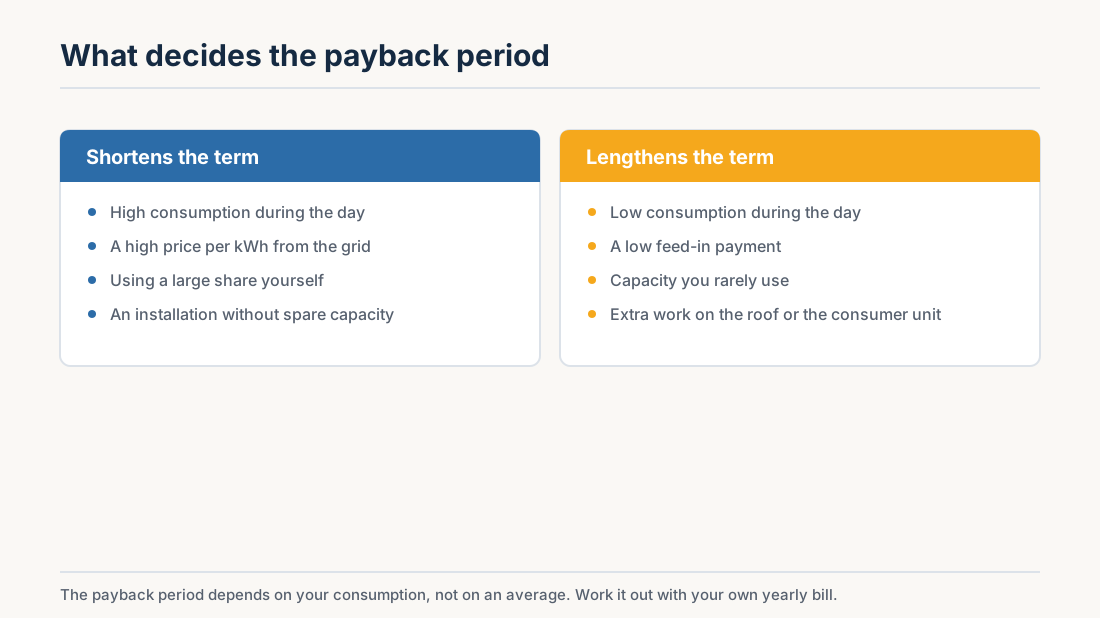
Solar panels for electric heating have drawbacks including seasonal energy mismatches, high electricity demand from heaters, and significant upfront costs. These factors often prevent complete energy independence.
Key limitations include:
- Reduced solar output in winter when heating demand peaks.
- Electric heaters’ high energy consumption can challenge system sizing.
- Dependence on battery storage or grid electricity for consistent heating.
- Higher initial investment to integrate solar panels with heating and storage.
What does the 20% margin rule mean for solar systems?
The 20% margin rule advises that your solar system should generate at least 20 percent more energy than your estimated consumption to account for inefficiencies and seasonal fluctuations.
When does solar panels electric heating make sense?
Solar-powered electric heating is most effective in well-insulated homes with moderate heating demands, improving efficiency and reducing energy costs. Proper insulation decreases heating requirements and enhances the overall system performance.
Ideal scenarios include:
- New-build homes designed to meet renewable energy standards.
- Residences equipped with heat pumps and smart energy management.
- Households aiming to maximize solar self-consumption and sustainability.
For example, Flemish regulations require new homes to generate at least 15 kWh per square meter of renewable energy annually. Combining solar panels with electric heating easily satisfies this requirement.
If you want custom advice for your home, you can request a free solar quote through Soleva.
Using solar electricity to heat your home works best when you combine efficient heating systems, correctly size the components, and have realistic expectations about seasonal performance. Solar panels can reduce your heating expenses significantly, though they rarely eliminate grid electricity use entirely, especially during winter months. Pairing solar panels with heat pumps or smart-controlled electric radiators - and incorporating battery storage if possible - offers optimal performance. Begin with a professional home energy assessment and obtain several quotes through Soleva to design a system tailored to your home’s needs and your energy consumption patterns.
Frequently Asked Questions
Can solar panels electric heating operate without a battery?
Yes, solar-powered electric heating can function without a battery; however, its efficiency depends on when solar electricity is produced. During daylight, solar energy powers your heaters directly, but in the evenings, you switch to grid electricity. Including a battery increases your use of solar energy and reduces reliance on the grid during peak heating times.
What costs are involved in running electric heating with solar panels?
The cost depends largely on how much of your heating demand solar power covers. When solar energy supplies most of your electricity, heating costs drop considerably. If your system relies heavily on grid power, your costs will be higher. Utilizing smart energy scheduling and storage solutions can improve your financial savings over time.
Is solar power efficient for electric underfloor heating?
Yes, solar panels can efficiently run electric underfloor heating, especially in homes with good insulation. Underfloor heating operates at lower temperatures and spreads warmth evenly, boosting energy efficiency. Combining this setup with a heat pump or battery storage can further lower your electricity consumption and stabilize your heating performance.
What is the optimal solar panels electric heating setup for a family home?
The best configuration pairs solar panels with a heat pump and smart control systems. This arrangement decreases electricity consumption while maintaining a comfortable indoor environment. Adding battery storage improves energy availability during evenings. Homes with strong insulation benefit the most by lowering overall heating energy requirements.
Is it feasible to run electric heaters solely on solar panels year-round?
No, relying only on solar panels to run electric heaters throughout the year is typically unrealistic in most climates. Solar energy usually exceeds heating needs in summer, but winter production significantly declines. A hybrid system that includes grid support or battery storage is necessary to ensure continuous and consistent heating without interruptions.
Indicative prices for the Belgian market, checked in August 2026 against energy-village.be, thuisbatterij.be and zen-zonne-energie.be. These are market ranges for an installed system including VAT, not a quotation: your price depends on capacity, brand and the state of your existing installation.
Read also
Ready to cut your energy bill?
Compare quotes for solar panels, home batteries and charging points.