Solar panels Belgium
solar panels pool heating price & systems
Solar panels pool heating systems effectively use solar collectors to transfer heat directly into your pool water, cutting down on energy bills and extending your swimming season with minimal operational costs. These systems generally include solar thermal collectors, a pump, and a control valve, and they adapt to various pool types such as inground or floating pool heaters.
The heating performance depends largely on the size of the collectors, exposure to sunlight, and quality of installation. This guide will explain how solar panels pool heating systems operate, what costs you can expect, how to size your system correctly, and how to select the best setup to ensure reliable heating throughout the season.
How do solar panels pool heating systems work?
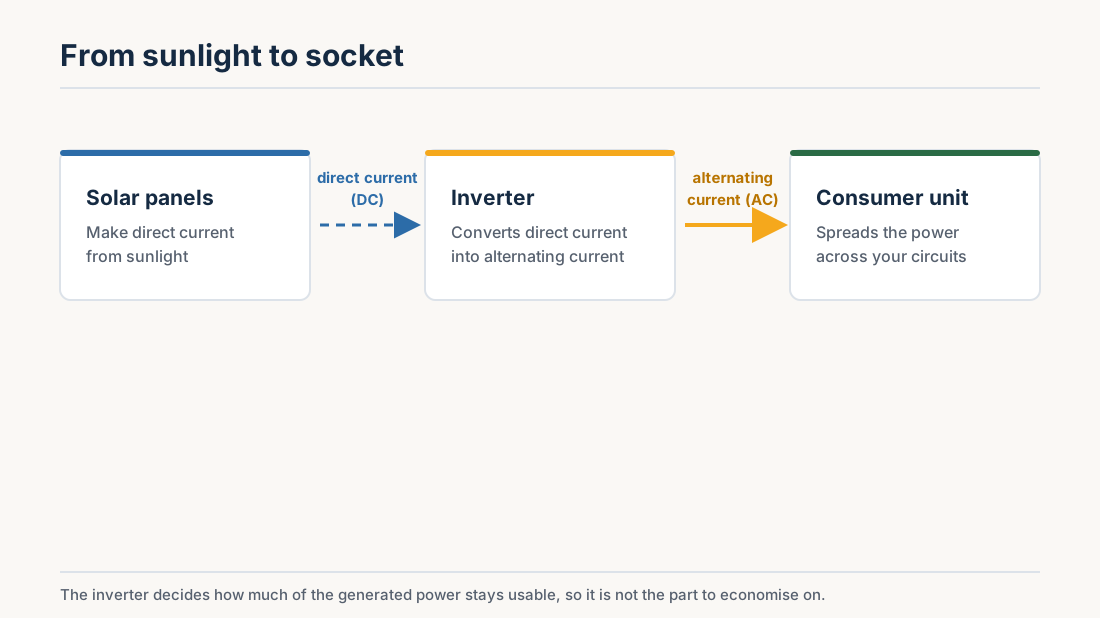
Solar panels pool heating works by circulating pool water through solar collectors, where sunlight warms the water before it returns to the pool. These systems use thermal energy instead of generating electricity, making them very efficient for heating pool water.
The main components work together in a closed loop system. For a broader understanding of solar technology, visit the solar panels overview page.
- Solar collector: captures sunlight and transfers heat to the water
- Pump: circulates the water through the system
- Filter: removes debris to protect the system
- Flow control valve: directs water flow to the collector when there is sufficient heat
Which types of solar collectors are available?
The type of collector affects both the heating performance and the system cost.
- Unglazed collectors are made from plastic or rubber and work well in warm climates.
- Glazed collectors use glass and copper, offering higher efficiency in cooler climates.
- Solar mats provide a large surface area at a low price.
- Hybrid systems combine heat production with electricity generation.
How do automatic systems enhance efficiency?
Modern pool heating systems include sensors that monitor and compare the temperature of the collectors and the pool water. The system activates only when the solar collector temperature is higher than the pool water, reducing energy use and preventing unnecessary pumping.
What is the price range for solar panels pool heating?
The price for a complete solar panels pool heating system generally ranges from €2,500 to €4,000 incl. VAT. Final costs depend on factors such as the pool size, the total collector surface area, and the complexity of installation.
Typical price levels are as follows:
- Small pools: €2,500 - €3,000 incl. VAT
- Medium pools: €3,000 - €3,500 incl. VAT
- Large pools: €3,500 - €4,000 incl. VAT
Example cost breakdown for a typical installation
For a common inground pool setup, the costs add up as follows:
Collectors €1,800 + pump €400 + mounting system €300 + installation €900 = approximately €3,400 incl. VAT.
Which factors affect the system price?
Several elements influence the overall investment:
- The required collector surface area
- The complexity of roof or ground installation
- The pump capacity and pipe length
- Automation and control features
Why does sizing matter for solar pool heating performance?
Accurate sizing is essential to ensure the system effectively raises the pool temperature. Because water stores a lot of heat, an undersized system will not provide meaningful warming.
What is the 20% rule for collector area?
The 20% rule recommends that the collector area should be at least 20% to 50% of the pool’s surface area. For enhanced heating, systems often require 50% to 100% coverage depending on the local climate.
How does pool size influence collector size?
The required collector area scales with the pool’s depth and size:
- Shallow pools typically need 20% to 30% collector coverage.
- Average depth pools require 50% to 70% coverage.
- Deep pools may require coverage equal to or exceeding 100% of the pool surface.
How do climate and sunlight affect sizing needs?
Sunny regions can achieve adequate heating with smaller collector areas, while regions with frequent cloud cover need larger collector surfaces. Solar radiation under ideal conditions ranges from 900 to 1,200 W per square meter, but clouds can reduce this output by up to 95%.
Which solar pool heater types suit different pools?
The choice of solar pool heater depends on the installation environment, pool design, and available space. Each type is tailored to specific applications.
How does a roof solar pool heater work?
A roof solar pool heater installs collectors on your roof to maximize sun exposure. This is ideal for homes with free roof space, offering consistent heating performance.
What is a floating solar pool heater?
A floating solar pool heater rests on the pool’s water surface. It provides basic heating and helps reduce evaporation. The best floating heaters include features that insulate and capture heat effectively.
What solar pool heater is best for inground pools?
For inground pools, roof- or ground-mounted collectors with automated flow control offer the most efficient heating for larger water volumes.
Which solar panels pool heating option is recommended overall?
The best systems use large-area collectors combined with automated controls and effective insulation. Solar mats provide excellent value, while glazed panels perform better in colder climates.
How effective is solar pool heating under real conditions?
Properly designed solar pool heating systems can raise water temperature by several degrees Celsius and lengthen the swimming season appreciably. Their performance is influenced by sunlight availability, insulation quality, and system size.
What temperature increases are typical?
Well-sized solar heating systems can maintain pool temperatures between 26°C and 30°C during sunny periods. Smaller systems may provide only modest temperature increases.
What factors reduce heating efficiency?
Several factors can lower the system’s heating output:
- Cloud cover reduces solar radiation availability
- Wind increases heat loss from the water surface
- Poor insulation causes rapid heat dissipation
- Incorrect orientation limits solar exposure
How can you enhance your solar pool heating system?
Improving insulation and system setup will boost performance:
- Use a pool cover to minimize heat loss
- Increase the collector surface area
- Orient collectors toward the south for optimal sun exposure
What maintenance does solar pool heating require?
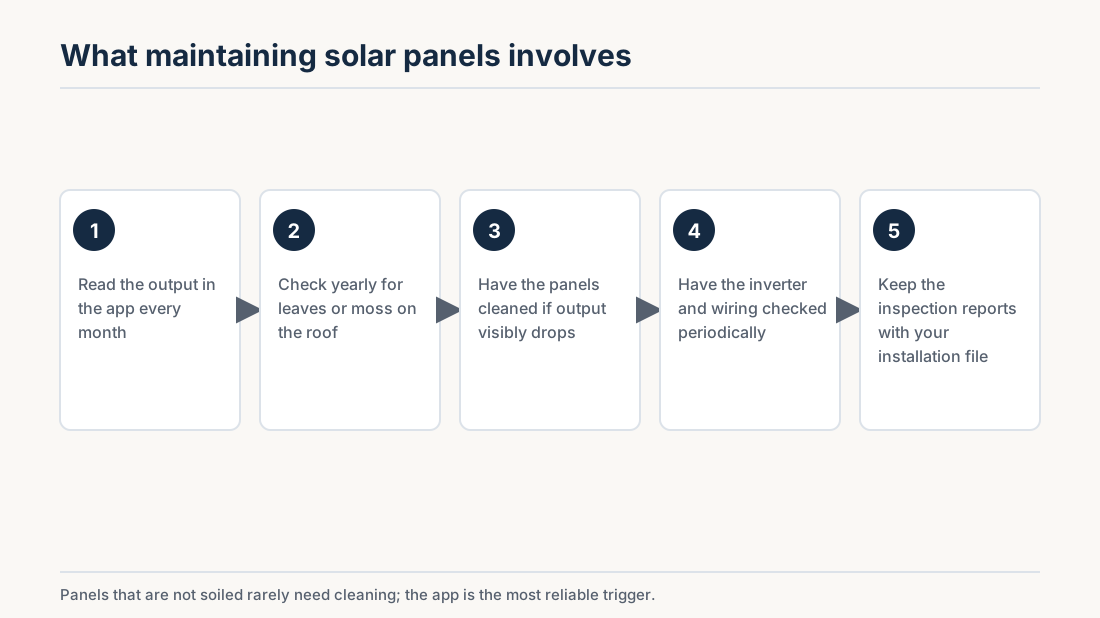
Solar pool heating systems need little maintenance when the pool water quality and filtration system are well maintained. These systems can last between 10 and 20 years with proper care.
Which routine checks should you perform?
Regular inspections ensure system efficiency:
- Verify filter and pump operation regularly
- Inspect pipes for leaks or damage
- Maintain proper water chemistry balance
Do solar collectors require cleaning?
Glazed collectors may need occasional cleaning, especially in dry, dusty climates. Unglazed collectors usually stay clean naturally due to rain.
How should you protect your system during winter?
In colder climates, freeze protection is necessary. Some systems automatically drain water when not in use to prevent freeze damage.
Heating your pool with solar energy significantly lowers operating expenses and allows you to enjoy a longer swimming season without depending on costly fuels. Success depends on proper system sizing, strategic installation, and combining solar collectors with effective insulation such as pool covers. To achieve reliable pool heating, begin by analyzing your pool’s size and available space, and then request multiple quotes via Soleva to find a system that best suits your requirements.
Frequently Asked Questions
Can solar panels pool heating work for indoor pools?
Solar panels pool heating can be effective for indoor pools when collectors are connected to the pool’s circulation system. Since indoor pools lose less heat, smaller collector surfaces are often sufficient. A well-controlled system maintains stable water temperatures and uses less energy compared to traditional heating methods.
What is the price difference between glazed and unglazed solar pool heating systems?
The price difference relates to material quality and heating efficiency. Unglazed collectors generally cost less and are suitable for warm climates, while glazed systems cost more but offer better performance in cooler areas. Although glazed systems have a higher upfront cost, they often deliver better efficiency over time, reducing operational expenses.
Is a floating solar pool heater suitable for large pools?
Floating solar pool heaters provide limited heating capacity for large pools due to their small surface area. They are best suited as supplementary heat sources rather than primary solutions. For large pools, roof-mounted or ground-based collectors can supply enough thermal energy to substantially raise water temperature.
What is the typical price for a solar pool heater designed for inground pools?
The cost for solar pool heating systems tailored to inground pools typically falls between €3,000 and €4,000 incl. VAT. Larger pools require more extensive collector areas, increasing total costs. Additional features like automation and advanced control systems will also influence the final price.
How long does a solar panels pool heating system last?
Solar panels pool heating systems often last from 10 to 20 years, depending on quality of the materials and regular maintenance. Unglazed collectors tend to have shorter lifespans compared to glazed varieties. Consistent inspections and balanced water chemistry help extend durability and maintain efficient operation throughout the system’s life.
Indicative prices for the Belgian market, checked in August 2026 against energy-village.be, thuisbatterij.be and zen-zonne-energie.be. These are market ranges for an installed system including VAT, not a quotation: your price depends on capacity, brand and the state of your existing installation.
Read also
Ready to cut your energy bill?
Compare quotes for solar panels, home batteries and charging points.