Solar panels Belgium
solar panels rental property belgium price guide
Installing solar panels on rental properties in Belgium effectively reduces electricity bills while redefining how energy costs and responsibilities are shared between tenants and landlords. The overall benefits depend on the chosen system type, legal agreements, and associated costs, which can vary widely from compact balcony setups to full rooftop installations.
This comprehensive guide clarifies pricing, legal frameworks, system options, subsidies, and practical considerations, so you fully understand what investing in solar panels means for rental properties.
What is the price of solar panels for a rental property in Belgium?
The cost of solar panels for rental properties in Belgium ranges from €300 to €1,600 incl. VAT for tenant-friendly systems, while full rooftop setups can cost several thousand euros depending on the system size and ownership type. Prices vary based on power capacity, installation method, and whether the system is temporary or permanent.
Typical price ranges relevant for rental situations include:
- 420 Wp balcony system: €300 - €450; annual output 350 - 450 kWh.
- 800 Wp plug and play system: €440 - €600; annual output 700 - 900 kWh.
- 800 Wp system with battery: €1,200 - €1,600; increases self-consumption.
These systems typically use monocrystalline panels with efficiencies around 20% to 22%. They connect directly to standard sockets and are designed for tenants without roof ownership.
How much do landlords pay for solar panel installations?
Landlords investing in a full solar system pay significantly more due to additional components such as mounting structures, inverters, and labor costs. The overall investment resembles that of a complete solar panel system rather than a small kit. Leasing models can distribute these costs over time, minimizing upfront expenses.
What are the cost components of solar panels in rental properties?
The total system price includes several key elements:
- Solar panels: 40% to 50% of the total cost.
- Inverter: Converts direct current (DC) into alternating current (AC).
- Mounting system: Roof or balcony framework.
- Installation labor: Certified electricians’ work.
Larger capacity systems lead to higher upfront costs but result in greater energy savings and often require landlord approval.
Which factors influence the pricing of rental solar installations?
Technical and legal considerations specific to rental properties shape the costs of solar panel installations. These factors directly affect the overall pricing.
How does the system type affect installation costs?
Balcony systems are the most affordable because they avoid structural modifications and complex permitting. Rooftop systems involve higher costs resulting from mounting requirements and permit processes. In apartment buildings, collective solar installations can distribute costs among multiple tenants, reducing individual expenses.
Why does location, such as Brussels, impact solar panel installation costs?
Urban areas like Brussels often yield higher installation costs due to more complicated logistics, access restrictions, taller buildings, and shared ownership rules within condominiums. These aspects increase labor expenses and extend approval timelines.
How does household energy consumption affect system sizing?
The size of the solar panel system should match the electricity usage of the household. Small apartments typically suit 800 Wp systems, while larger homes require multi-kilowatt setups connected to more extensive solar installations.
Concrete calculation example: What is the cost for an average solar system?
Consider an 800 Wp balcony system with a battery. The cost breakdown includes:
- 2 solar panels: €300
- Micro inverter: €250
- Mounting structure: €150
- Battery (1.6 kWh): €600
- Installation and setup: €200
The total investment amounts to approximately €1,500 incl. VAT. This system produces about 800 kWh annually, resulting in yearly savings of €240, assuming an electricity price of €0.30 per kWh. The payback period is thus roughly six years.
For landlords, larger systems follow a similar cost structure but scale up with more panels and increased installation expenses.
How can you reduce costs without sacrificing quality?
Cost savings can be achieved by selecting an appropriate system size and installation method that fits your consumption patterns. Key considerations include:
- Opting for 800 Wp systems instead of oversized options to lower upfront costs.
- Avoiding batteries if your energy use occurs predominantly during daytime.
- Leveraging existing electrical infrastructure to minimize additional work.
- Obtaining multiple quotes through professional solar guidance services.
Starting with a smaller system allows you to limit financial risk and gain practical insights into your energy savings.
Is leasing solar panels a better financial choice?
Leasing eliminates the initial investment because the provider handles installation and maintenance. Ownership typically transfers to the landlord after long-term use. This model suits property owners looking for predictable expenses without upfront capital.
What elements are typically included and excluded in solar panel quotes?
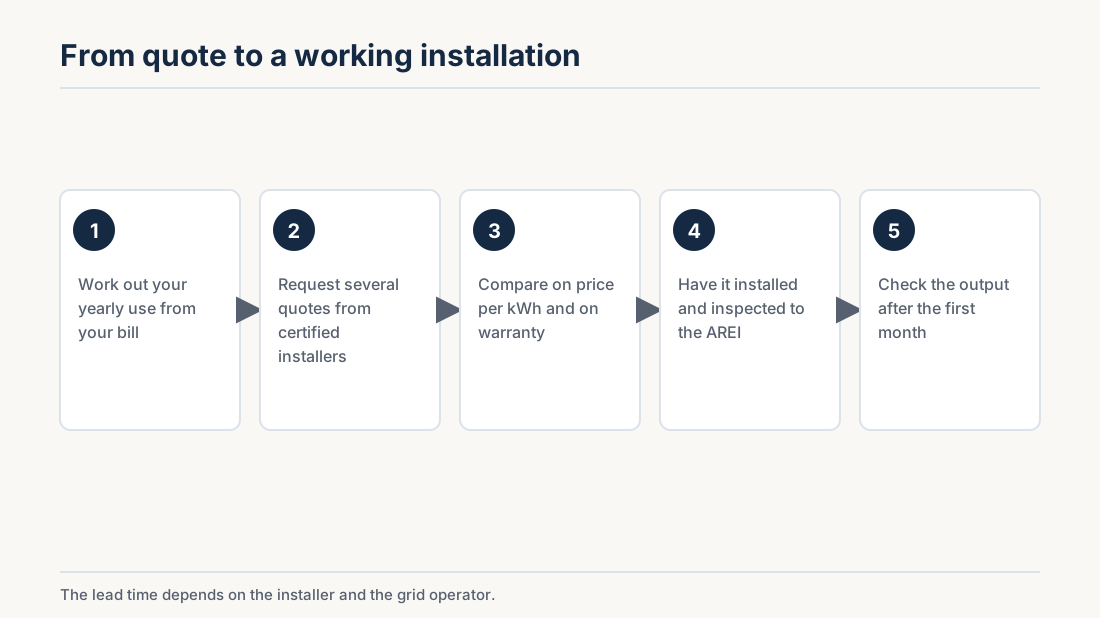
Surveying quote contents helps avoid unexpected costs. Typically, quotes include:
- Solar panels and inverter
- Mounting hardware
- Installation labor
- Basic system monitoring setup
Common exclusions that tenants and landlords should watch for are:
- Electrical panel upgrades
- Scaffolding for multi-story buildings
- Permit application or co-ownership approval fees
- Adjustments in energy contracts
Verifying these items before proceeding helps prevent disputes over billing and responsibility.
Installing solar panels in rental properties transforms energy expenses and clarifies legal responsibilities for tenants and landlords alike. Small solar systems offer tenants fast bill reductions, while larger installations improve property value and energy efficiency for landlords. To get the best results, request detailed quotes and carefully choose system sizes that balance costs and benefits from the start.
Frequently Asked Questions
What is the price difference between balcony and rooftop solar systems?
Balcony systems typically cost a few hundred euros and require minimal installation effort without structural alterations. Rooftop systems can cost several thousand euros due to the need for mounting equipment and more extensive labor. Differences mainly reflect system ownership, complexity, and size in rental contexts.
Can tenants install solar panels without landlord permission?
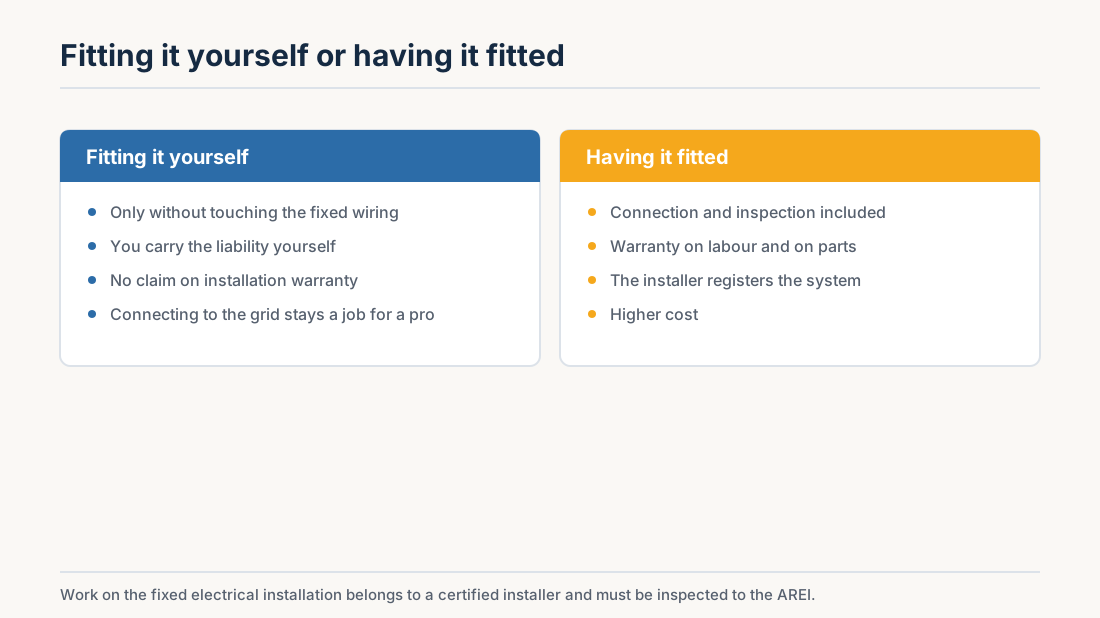
No, tenants must obtain written approval from landlords before installing any solar system. Even plug and play panels usually require consent since installations may affect building safety, electrical connections, and property structure.
How does energy sharing operate within apartment buildings?
Energy sharing allows solar power produced by a central system to be allocated among multiple units or common areas based on pre-agreed arrangements. This method improves efficiency by avoiding the need for individual solar setups on every apartment.
What happens when a solar leasing contract ends?
At contract conclusion, ownership of the solar panels normally transfers to the property owner without extra fees. The system continues generating electricity, thus providing ongoing value.
Do solar panels increase the rental property’s value?
Yes, solar panels enhance property value by improving energy efficiency and decreasing operating costs. This can make rental properties more attractive to tenants and justify higher rent demands.
Indicative prices for the Belgian market, checked in August 2026 against energy-village.be, thuisbatterij.be and zen-zonne-energie.be. These are market ranges for an installed system including VAT, not a quotation: your price depends on capacity, brand and the state of your existing installation.
Read also
Ready to cut your energy bill?
Compare quotes for solar panels, home batteries and charging points.