Solar panels Belgium
solar panels flat roof price, pros and installation
Installing solar panels on a flat roof lets you efficiently generate electricity by adjusting the panel angle and layout to fit your available space. Residential systems typically cost between €4,500 and €12,500 incl. VAT, depending on system size and mounting method. This guide explains how flat roof solar panel mounting works, expected costs, common challenges, and if this system suits your home.
Can solar panels be used effectively on flat roofs?
Solar panels work well on flat roofs, and many installers prefer them because flat roofs provide easier access and flexible positioning. Unlike pitched roofs, flat surfaces allow panels to be angled optimally for maximum sunlight exposure.
Flat roofs on extensions, garages, and commercial buildings often have underutilized space that becomes productive through solar installations. These systems cater to both residential and commercial needs.
Is it advisable to lay solar panels flat on a roof?
Solar panels should not be installed completely flat because doing so reduces their efficiency. Panels perform better when tilted between 10 and 40 degrees, which enhances sunlight capture and allows rain to clean the surface naturally.
What tilt angle is best for solar panels on flat roofs?
The ideal tilt angle for flat roof solar panels is usually around 30 to 35 degrees, maximizing energy yield. Lower angles can reduce wind load and allow more panels to fit on the roof, while higher angles improve efficiency but require increased spacing between panels.
What does the 20% rule mean for solar systems?
The 20% rule ensures the solar panel capacity does not exceed the inverter capacity by more than 20%. This balance prevents overloading components and optimizes system performance.
For basic system information, see our solar panel system overview.
How does solar panel mounting work on flat roofs?
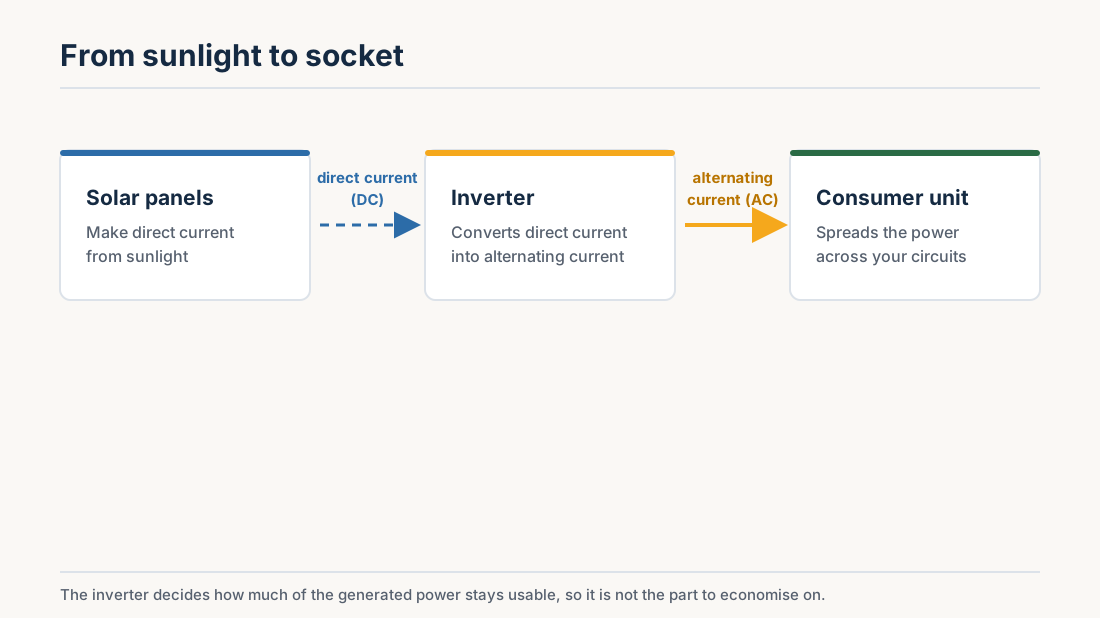
Flat roof solar panel mounting uses frames or ballasted systems to secure panels at the desired angle instead of relying on roof slope. Installers select between systems that require drilling and those that use weight to hold panels in place, based on roof structure and waterproofing.
How do ballasted systems mount panels without drilling?
Ballasted mounting systems hold solar panels using concrete blocks or gravel weights, avoiding roof penetration. This approach protects waterproof membranes and reduces the risk of leaks.
- Ballasted frames evenly distribute the weight across the roof
- They avoid any drilling, preserving the roof’s waterproofing
- These systems suit most residential flat roofs
Which mounting systems are available for flat roofs?
Common mounting options include:
- East-west systems with panels facing opposite directions to maximize roof coverage density
- South-facing frames designed to maximize per-panel efficiency
Other systems such as adjustable A-frame structures and plastic ballast containers offer different support and tilt features.
What does a flat roof solar panel kit include?
A typical flat roof solar panel kit contains mounting frames, ballast trays, clamps, and fixings. Some kits accommodate larger panels and feature quick-install mechanisms to reduce labor time.
These installation choices influence the total cost similarly to a complete solar installation setup.
What are the costs involved in installing solar panels on flat roofs?
The price for solar panels on flat roofs generally ranges from €4,500 to €12,500 incl. VAT for residential systems. The mounting hardware adds to the cost compared to pitched roof installations, although labor expenses may be lower due to easier access.
Costs typically vary with household size, as follows:
- 1 bedroom - 1.5 kW system - approx. €5,150 incl. VAT
- 2 bedrooms - 3.0 kW system - approx. €8,100 incl. VAT
- 3 bedrooms - 4.5 kW system - approx. €10,700 incl. VAT
- 4 or more bedrooms - 6.0 kW system - approx. €14,200 incl. VAT
Example cost calculation for a flat roof system
For a 12-panel system with 400W panels, costs might break down as follows:
- 12 panels x €250 = €3,000
- Inverter = €1,200
- Mounting system = €900
- Installation = €2,000
The total amount sums to approximately €7,100 incl. VAT.
More detailed pricing information is available at solar panel price details.
What challenges might you face with solar panels on flat roofs?
Flat roof solar panel installations involve considerations such as weight load, spacing requirements, and water pooling risks. Addressing these ensures good system design and long-term performance.
How does roof load affect flat roof solar installations?
Most flat roofs can support around 20 to 25 pounds per square foot, sufficient for many solar systems. Because ballasted mounts add weight, a structural assessment is necessary before installation to confirm the roof can handle the load safely.
Why is spacing important for solar panel efficiency?
Proper spacing prevents shading between panels, which can lower total energy output. East-west mounting systems let installers place panels closer to each other to maximize capacity.
How does water pooling impact flat roof solar panels?
Poor drainage can lead to water accumulation, increasing the risk of leaks. Ballasted systems reduce roof penetrations, which helps protect waterproof membranes compared to drilled mounting methods.
What are the advantages and disadvantages of solar panels on flat roofs?
Solar panels on flat roofs offer flexibility and ease of maintenance but involve structural and cost considerations.
Main advantages include:
- Flexible panel orientation for optimal sunlight capture
- Installation and maintenance are generally simpler due to easy access
- Panels are less visible from ground level
However, the downsides are:
- Higher costs for mounting systems
- More roof space is required per kilowatt installed
- Additional weight from ballast material
From my perspective, flexibility is the most significant benefit because it allows precise layout optimization, often balancing out the greater installation complexity and costs.
When is planning permission necessary for solar panels on flat roofs?
Typically, planning permission is not required for solar panels on flat roofs because most installations qualify as permitted developments. However, exceptions exist.
In which situations do you need planning approval?
Examples requiring permission include:
- Buildings listed as heritage or located in protected conservation areas
- Panels extending more than 60 centimeters above the roof surface
- Installations too close to roof edges without proper clearance
What are the rules regarding edge clearance?
Maintaining a clearance of 0.5 to 1 meter from the roof edge improves wind resistance and meets safety requirements.
For information on financial support, explore available solar subsidies.
How do maintenance and weather conditions affect flat roof solar panel systems?
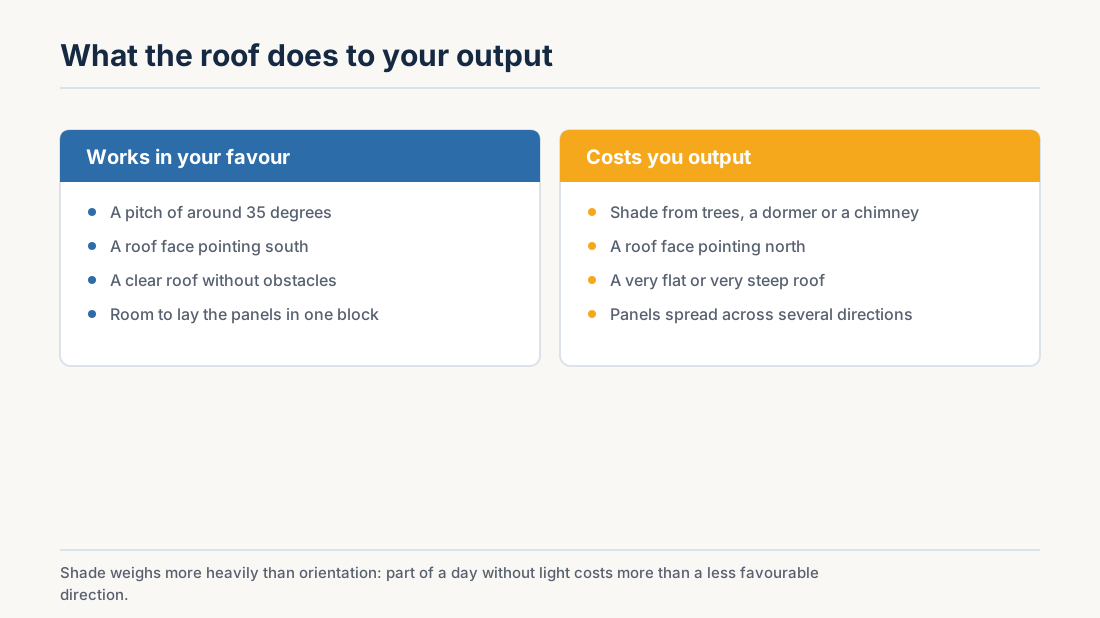
Flat roof solar systems need routine inspections and maintenance because their design affects how weather impacts them.
What maintenance is required for flat roof solar panels?
- Regular visual inspections for damage, cracks, and wiring issues
- Checking the mounting system stability and ballast condition
- Cleaning panels to remove dirt and debris that lower efficiency
- Inspecting the inverter and electrical connections
How does weather influence solar panel performance on flat roofs?
Proper panel spacing improves airflow and cooling during hot weather, which maintains efficiency. However, snow can more easily block sunlight because of the lower tilt. Wind exposure increases with tilt angles, requiring sturdier mounts.
Integrating solar panels with a home energy system setup allows you to monitor performance and optimize energy use.
Flat roofs provide you with excellent flexibility to position solar panels for high energy production, but the success depends on selecting the right mounting system and ensuring your roof structure supports the installation. Focus on achieving the proper tilt, maintaining adequate spacing, and hiring a qualified installer. To make an informed decision, I recommend obtaining multiple quotes and comparing different system designs and prices.
Frequently Asked Questions
Can solar panels flat roof installations be done on any building?
Most flat roofs, including those on homes, garages, and commercial buildings, are suitable for solar panel installation. The essential requirement is that the roof structure can support the ballast and mounting systems. Professional assessments evaluate load capacity, waterproofing condition, and available space before installation proceeds.
How does the price of flat roof solar panels compare to pitched roof systems?
The main price difference arises from mounting hardware. Flat roof solar systems generally cost somewhat more because of frames and ballast requirements, although labor costs might be lower due to easier access. Overall costs often remain comparable, depending on installation complexity.
Can ballasted mounting systems damage a flat roof?
Ballasted systems avoid drilling and protect the roof membrane by distributing weight evenly. While they reduce damage risks from penetrations, installers still inspect waterproofing and drainage to prevent long-term issues caused by standing water or pressure points.
Is it possible to power a refrigerator with a 400W solar panel?
A 400W solar panel can run a refrigerator under suitable conditions, especially when paired with battery storage. Since refrigerators typically use 100 to 200 watts per hour, a single panel makes a significant contribution; however, maintaining consistent operation often requires multiple panels and energy storage.
What is the expected lifespan of solar panel systems on flat roofs?
Solar panels installed on flat roofs usually last 25 to 30 years, similar to systems on pitched roofs. Mounting structures also tend to have comparable lifespans if correctly maintained. Routine inspections and cleaning help maintain efficiency and prevent small problems from reducing long-term performance.
Indicative prices for the Belgian market, checked in August 2026 against energy-village.be, thuisbatterij.be and zen-zonne-energie.be. These are market ranges for an installed system including VAT, not a quotation: your price depends on capacity, brand and the state of your existing installation.
Read also
Ready to cut your energy bill?
Compare quotes for solar panels, home batteries and charging points.