Solar panels Belgium
install solar panels yourself guide
Installing solar panels yourself allows you to reduce your electricity bills and gain direct control over your energy production when you size your system correctly and adhere to electrical regulations. A typical DIY solar setup involves using monocrystalline panels and a grid-tied inverter, with the overall output depending on your roof’s orientation and shading. Continue reading to learn how to proceed with confidence and avoid common mistakes.
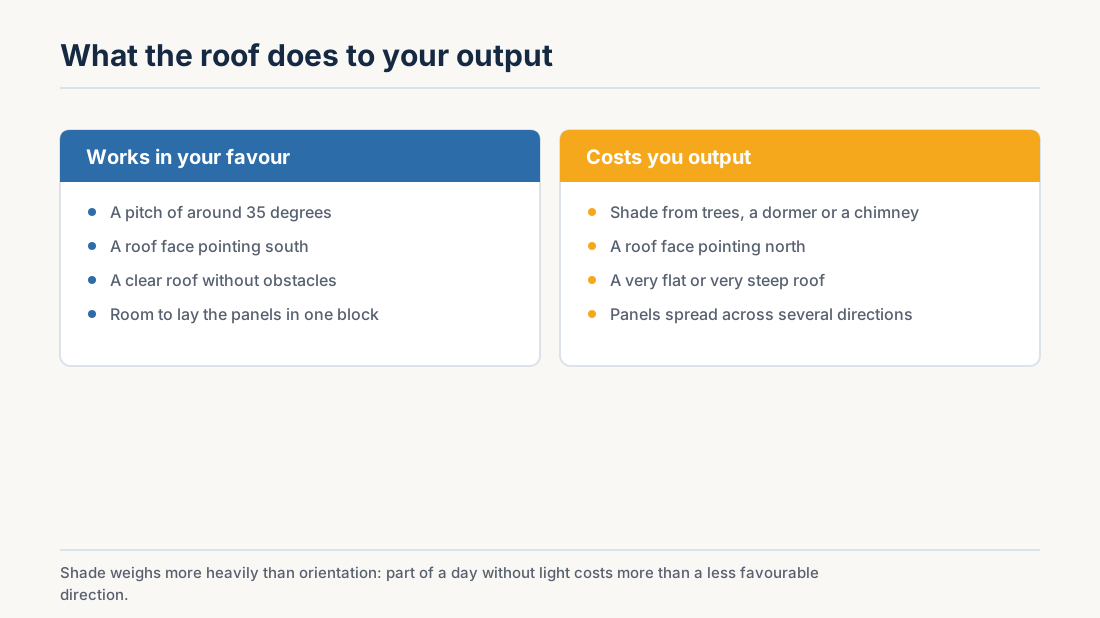
This guide explains how to install solar panels yourself step by step, the necessary permits and inspections, the workings of wiring and inverters, and when combining DIY efforts with professional help is a safer option.
When Should You Upgrade Instead of Replacing an Existing Solar Setup?
Upgrading your solar system is a better choice than replacing it when your current setup still produces around 80% or more of its original output and the inverter functions properly. Replacing the system is more reasonable when the panels are older than 15 years or if the inverter has failed.
This decision is important before you install solar panels yourself because upgrading often allows you to reuse existing wiring and mounting hardware, which simplifies the process and reduces inspection risks.
How Can You Check Your Solar System’s Performance?
To evaluate system performance, compare your annual kilowatt-hour (kWh) production with historical data or monitoring logs. A decrease beyond normal degradation suggests issues such as inverter faults or shading problems.
When Does Repowering Your Solar System Make Sense?
Repowering involves replacing old panels with higher-efficiency models. For example, newer TOPCon panels achieve efficiencies above 20%, which boosts energy output without needing additional roof space.
What Are the Main Installation Methods for DIY Solar Systems?
The primary installation methods include roof-mounted systems and ground-mounted systems, as well as smaller plug-in kits. Each installation type varies in complexity, safety requirements, and compliance with local regulations.
You can explore different system types further on the solar panel overview page to help decide which option suits your needs.
How Does Roof-Mounted Installation Work?
Roof-mounted solar systems fix rails onto your roof rafters using flashing and bolts. This method often provides the highest energy output due to optimal panel angles and reduced shading.
What Should You Know About Ground-Mounted Systems?
Ground-mounted systems use metal frames secured into concrete footings at least 45 cm deep. These installations require trenching for cables and must ensure strong structural stability.
What Are DIY Solar System Kits?
DIY solar kits include panels, an inverter, mounting hardware, and monitoring equipment. These kits help minimize design errors and simplify planning and installation.
What Is the Cost of Installing Solar Panels Yourself by Method?
Installing solar panels yourself typically costs between €4,000 and €5,300 for a 3 kWp system, excluding batteries. The total expenses vary depending on system size and the electrical work involved.
Here is a typical price breakdown for key components:
- Solar panels: €0.50 - €0.80 per watt peak (Wp)
- Inverter: €800 - €1,500
- Mounting hardware: €500 - €1,200
- Inspection and permits (AREI): €300 - €600
Sample Cost Calculation for a DIY Solar System
For example, a 3 kWp system using 8 panels could cost as follows:
- 8 panels × €250 = €2,000
- Inverter = €1,200
- Mounting system = €800
- Inspection and permits = €400
The total estimated price is approximately €4,400 including VAT.
For comparisons with professional installations, please see the full solar system options.
How Does the Solar Panel Installation Process Work from Start to Finish?
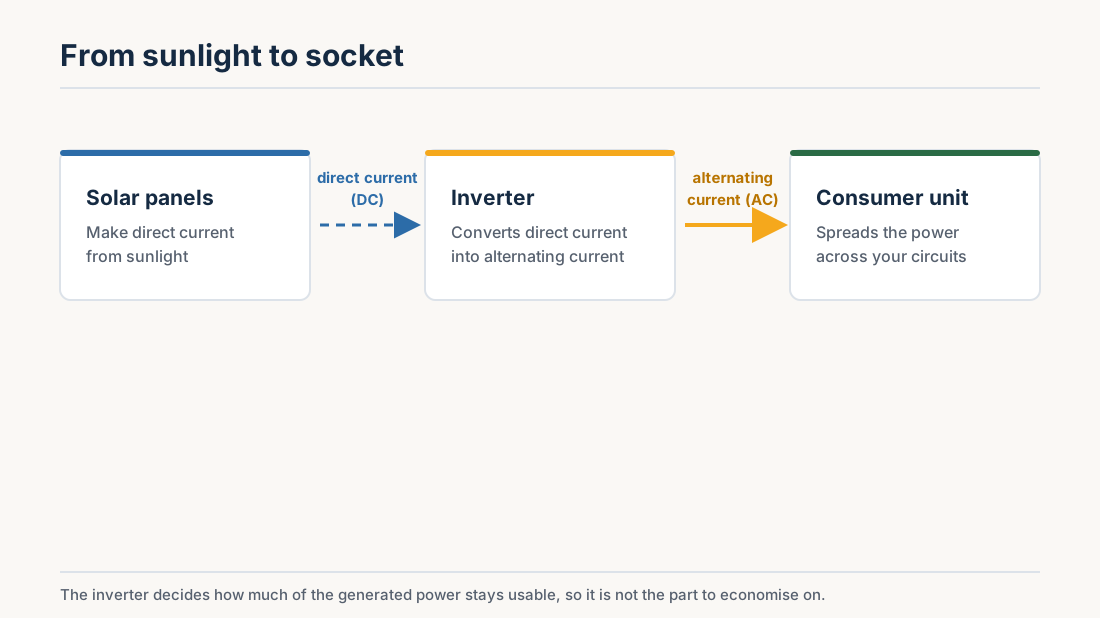
The installation process follows a fixed sequence ranging from planning through to grid connection. Every step impacts your system’s safety and regulatory compliance.
Step-by-Step Guide to Installing Solar Panels Yourself
- Assess your roof’s condition, orientation, and shading factors.
- Calculate your household energy demand by reviewing your electricity bills.
- Obtain the necessary permits and verify local regulations.
- Install mounting rails on your roof or ground structure securely.
- Mount the solar panels and connect the direct current (DC) wiring.
- Install the inverter and, if applicable, any battery storage system.
- Connect the solar system to your home’s electrical panel safely.
- Schedule the required inspection and activate system monitoring.
How Can You Safely Install Solar Panels and Inverters Yourself?
Position the inverter close to the solar panels to reduce energy loss. Ensure all wiring is correctly grounded and equipped with necessary protection devices. Many homeowners handle panel mounting themselves while hiring a certified electrician for the final grid connection to maintain safety and compliance.
What Tools and Safety Equipment Are Needed?
- Power drill and measuring tools
- Safety harness and helmet for working at heights
- Insulated electrical tools and gloves for wiring tasks
What Factors Should Influence Your Decision Between DIY and Professional Installation?
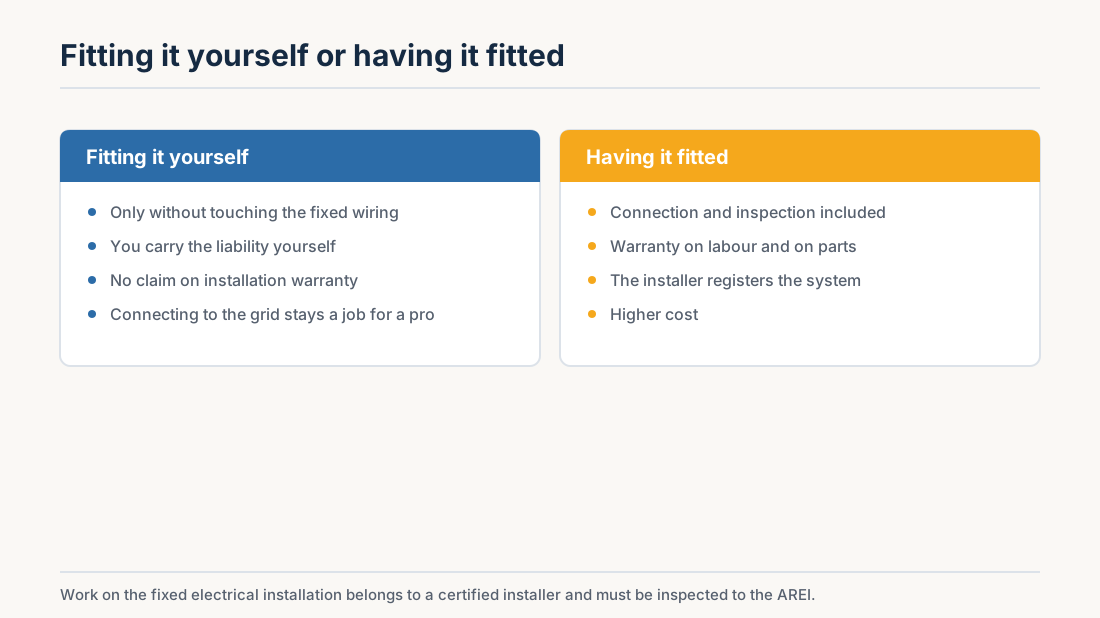
Evaluate your technical skills, legal requirements, and financial incentives before choosing your installation approach. While complete DIY can lower upfront costs, it increases risks related to compliance and safety.
Request multiple quotes through the solar panel quotes comparison to understand market pricing and options.
Can You Install Solar Panels Yourself and Still Qualify for Tax Incentives?
Tax benefits, like reduced VAT rates, may apply if your system passes inspections. Some subsidies, however, require installation by certified professionals, which can limit eligibility for solo DIY projects.
What Are the Risks of DIY Solar Panel Installation?
The primary risks include failure to pass inspections, loss of equipment warranties, and potential electrical hazards. Mistakes like incorrect wiring or using non-approved inverters can cause your system to be rejected by grid operators.
When Is It Advisable to Hire a Professional?
You should hire a qualified professional for tasks such as grid connection, inverter setup, and preparing for inspections. This hybrid approach helps balance cost savings with compliance and safety.
Undertaking your own solar panel installation makes sense when you understand the limitations of DIY work and plan the electrical aspects carefully. The greatest savings typically come from handling the mounting yourself while entrusting grid connection to a certified electrician. Begin with a practical system size and compare professional offers through Soleva before purchasing equipment to avoid costly errors and ensure your system passes inspections on the first attempt.
Frequently Asked Questions
Can you install solar panels yourself without professional help?
You can install solar panels yourself for the mounting and basic setup, but connecting the system to the grid usually requires a certified electrician. Authorities mandate inspection approval before activating your system. Many homeowners install panels on their own and hire professionals for the electrical connection to reduce risks and save costs.
What is the price difference between DIY and professional installation?
The difference typically ranges from €2,000 to €6,000 depending on your system’s size and labor costs. DIY installations save on labor but carry risks like inspection failures and additional correction expenses. Professional installation offers warranties, ensures compliance, and often results in faster completion, partially offsetting the extra initial cost.
What is the 120% rule for solar panels?
The 120% rule limits the total breaker load in your electrical panel to 120% of its rated capacity. This safety rule prevents overheating and ensures safe integration of solar inverters with your existing household electrical system. Electricians follow this guideline when connecting your solar setup.
Will a 200W solar panel run a fridge?
A 200 watt solar panel typically cannot run a full-size refrigerator continuously, as it provides limited power. It may support small appliances or reduce overall energy consumption, but a fridge usually requires a larger system combined with battery storage to handle the initial startup surge.
What appliances can a 400W solar panel power?
A 400 watt panel can power small household devices such as lights, laptops, and routers. It can also contribute energy for larger appliances like washing machines when combined with other panels in a system designed to cover your entire household energy use.
Indicative prices for the Belgian market, checked in August 2026 against energy-village.be, thuisbatterij.be and zen-zonne-energie.be. These are market ranges for an installed system including VAT, not a quotation: your price depends on capacity, brand and the state of your existing installation.
Read also
Ready to cut your energy bill?
Compare quotes for solar panels, home batteries and charging points.