Solar panels Belgium
solar panels EPC rating explained
Installing solar panels improves your EPC rating by reducing your home’s energy consumption measured in kWh per m2 per year on your EPC certificate. In Belgium, homes often improve from rating D or E to C or B after installing a properly sized solar system, which enhances property value and lowers energy bills. The EPC certificate reflects multiple factors including insulation, heating systems, and renewable energy like solar panels.
This guide explains how solar panels impact EPC ratings, the points you can gain, how the EPC points calculator works, and practical steps to increase your rating effectively.
What is an EPC rating and how is it measured in kWh per m2?
An EPC rating is a standardized score that shows your home’s energy consumption in kilowatt-hours per square meter per year. A lower value means the home is more energy-efficient and earns a better label ranging from A+ to F. This rating appears on your EPC certificate and indicates your property’s energy performance.
In Belgium, the EPC scale is categorized as follows:
- A: 0 - 100 kWh/m2
- B: 101 - 200 kWh/m2
- C: 201 - 300 kWh/m2
- D: 301 - 400 kWh/m2
- E: 401 - 500 kWh/m2
- F: above 500 kWh/m2
The EPC certificates for Brussels and Flanders follow similar rules. The rating calculation factors in insulation levels, heating efficiency, glazing, ventilation, and renewable energy installations like solar panels.
How does the EPC points calculator work?
The EPC points calculator applies the Standard Assessment Procedure to convert your building’s characteristics into a numerical score. Each improvement, such as enhanced insulation or solar energy generation, lowers the final kWh per m2 reading.
Where can you perform an EPC rating check?
You can check your EPC rating using the official EPC register. This database contains all valid certificates and allows prospective buyers and tenants to verify a property’s energy performance before purchase.
How do solar panels influence EPC rating in Belgium?
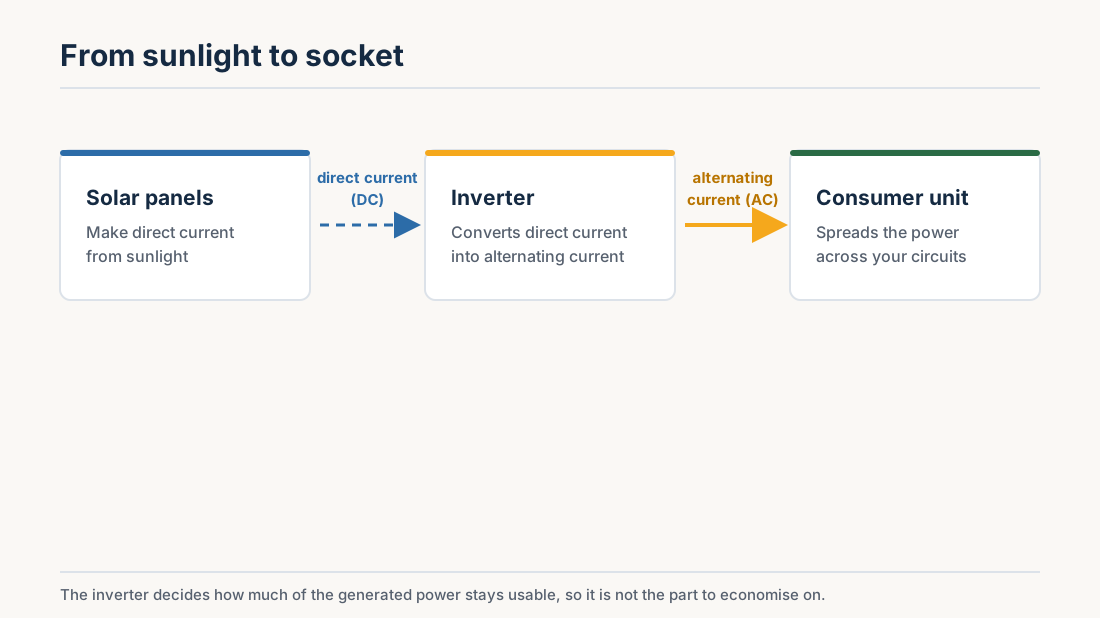
Solar panels improve EPC ratings by decreasing electricity consumption from the grid and adding renewable energy production within the calculation. This directly lowers the kWh per m2 figure on your certificate.
Usually, a properly sized solar panel system moves a property up by at least one label, for instance from D to C or C to B. Larger systems contribute to even greater rating improvements.
Exploring solar panel systems explained reveals how system size and panel efficiency affect total energy output and the EPC rating.
Will solar panels improve my EPC rating?
Yes, solar panels typically improve your EPC rating because they reduce your net energy demand. A typical solar setup can add up to 15 EPC points depending on system size and the existing energy efficiency of your home.
Do home batteries affect EPC rating?
Home batteries currently have a limited direct effect on EPC calculations since the certificate focuses on energy generation, not storage. However, pairing solar panels with a battery increases self-consumption, which improves your overall energy efficiency in practice.
Why do solar panels increase EPC scores and property value?
Solar panels improve EPC scores by lowering reliance on fossil fuels and enhancing your building’s energy balance. A better EPC rating often increases property value and market appeal.
Homes with higher ratings attract buyers due to their potential for reduced energy bills and fewer required upgrades in the future, leading to financial benefits such as:
- Lower annual energy expenses
- Higher resale value
- Faster property sales
- Improved mortgage terms
What regulations apply to EPC ratings in Belgium?
Belgium enforces strict regulations requiring a valid EPC certificate for selling or renting properties. Homes rated E or F must be upgraded to at least D within a set timeframe.
How will future regulations affect solar panel adoption?
Upcoming stricter rules will increase the demand for renewable energy systems. New buildings must achieve a minimum renewable production level expressed in kWh per m2, and solar panels provide an effective solution to meet this requirement.
What is the price of solar panels and their EPC improvement effect?
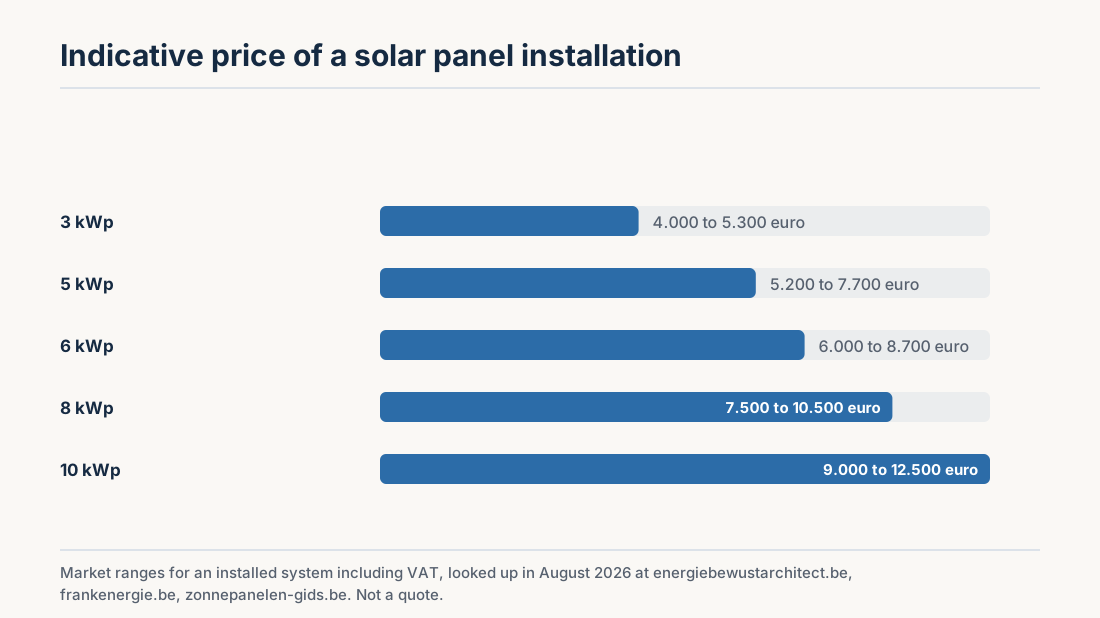
The price of solar panels in Belgium depends on system size, panel efficiency, and installation complexity. Typical residential systems range from €4,500 to €11,000 including VAT.
Below is an average price overview:
- 6-panel system: €4,500 - €6,000
- 10-panel system: €6,000 - €8,500
- 16-panel system: €8,500 - €11,000
You can view a detailed comparison of system sizes on the solar panel price overview page to align with your EPC improvement goals.
Calculation example for EPC improvement investment
Consider a 10-panel solar system priced as follows:
- 10 panels: €3,000
- Inverter: €1,200
- Mounting system: €800
- Installation: €2,000
The total investment amounts to approximately €7,000 including VAT. This system can upgrade your home from EPC D to C, lower energy bills, and increase property value.
How fast can you recover the solar panel investment?
The payback period depends on your energy savings. If you save €700 annually on electricity, you can recover your €7,000 investment in about ten years, while benefiting from a higher EPC rating during this time.
How can you improve your EPC rating with solar panels step by step?
You can improve your EPC rating with solar panels by following a clear process from assessment through certification update.
Step 1 - Check your current EPC certificate
Start by reviewing your current EPC rating in the official registry. Identify weak areas such as insufficient insulation or outdated heating systems.
Step 2 - Size your solar panel system
Assess your energy consumption and available roof space to determine the optimal solar system size. Larger systems result in more significant EPC improvements.
Step 3 - Combine solar with efficiency upgrades
For the best results, install solar panels alongside insulation upgrades and efficient heating systems. This approach maximizes your EPC gains.
Step 4 - Hire a certified installer
Working with a professional certified in solar panel installation in Belgium ensures compliance with regulations and correct EPC registration.
Step 5 - Request a new EPC certificate
After installation, obtain a new EPC certificate. The updated rating will reflect your property’s improved energy performance.
If you want personalized advice, you can request a free solar quote through Soleva to compare certified installers.
Improving your home’s energy performance involves lowering consumption and increasing renewable energy production. Solar panels help achieve both by reducing your dependency on the grid and boosting your EPC rating, often raising your property by one or two labels. To make a measurable improvement, start by checking your current EPC, then combine solar installation with insulation enhancements. Using services like Soleva makes it easier to compare installers and request quotes so you can confidently proceed with your EPC upgrade.
Frequently Asked Questions
Do solar panels always increase property value with EPC improvement?
Solar panels tend to increase property value when they enhance the EPC rating because buyers prioritize energy-efficient homes. Properties with improved energy labels attract more attention and tend to sell faster. The value uplift depends on the final EPC grade and the quality of the solar system, including proper certification and documentation.
How long does an EPC certificate remain valid after solar installation?
An EPC certificate remains valid for 10 years following solar panel installation. However, the certificate does not automatically update after installing solar panels. You need to request a new assessment to have the improved energy performance officially recorded.
What is the price of an EPC certificate in Belgium?
The cost of obtaining an EPC certificate in Belgium varies with property size and location. Smaller apartments generally cost less than larger houses. A certified assessor performs the inspection and registers the certificate in the EPC database, accessible to buyers and tenants.
Do solar panels in Brussels have different EPC effects?
Solar panels in Brussels are evaluated using the same EPC calculation methods as elsewhere in Belgium. Urban properties might have roof space limitations that affect system size and EPC improvement. Even smaller solar installations contribute positively to overall energy performance.
Can you combine solar panels with other upgrades for EPC improvement?
Combining solar panels with insulation, efficient heating, and double glazing results in the best EPC improvements. While solar panels reduce electricity demand, insulation minimizes heat loss. This combination significantly lowers the kWh per m2 value and improves your EPC rating.
Indicative prices for the Belgian market, checked in August 2026 against energy-village.be, thuisbatterij.be and zen-zonne-energie.be. These are market ranges for an installed system including VAT, not a quotation: your price depends on capacity, brand and the state of your existing installation.
Read also
Ready to cut your energy bill?
Compare quotes for solar panels, home batteries and charging points.