Solar panels Belgium
building permit solar panels belgium explained
Obtaining a building permit for solar panels in Belgium depends on regional regulations, the installation’s visibility, and any structural changes involved. While most rooftop solar panel systems are exempt from permits if they follow the roof slope and remain discreet, some cases require formal approval.
When do you need a building permit for solar panels in Belgium?
You must apply for a building permit in Belgium if your solar panel installation changes the building structure, affects visibility from public spaces, or alters the building’s volume. Typical rooftop systems that align with the roof slope and remain visually subtle are generally exempt from permits.
The legal requirements stem from three regional codes that govern construction and urban planning:
- VCRO for Flanders
- CoDT for Wallonia
- CoBAT for Brussels
Municipal regulations may impose further restrictions, particularly in protected zones.
Which solar installations require a permit?
Permits are necessary when solar panels cause structural or visible changes. Examples include:
- Panels mounted on facades or clearly visible from the street
- Roof modifications like reinforcements or new openings
- Large ground-mounted systems exceeding certain height or area
- Installations on heritage or protected buildings
Which solar panel installations are exempt from permits?
Most residential rooftop systems qualify for exemptions if they meet specific criteria:
- Panels adhere to the roof’s slope and edges
- No panel overhang beyond defined limits
- Panel color matches the existing roof
- No structural changes involved
These exemptions encourage renewable energy use while safeguarding architectural harmony.
For more on solar systems, see solar panel systems explained.
How do regional regulations affect building permit requirements for solar panels?
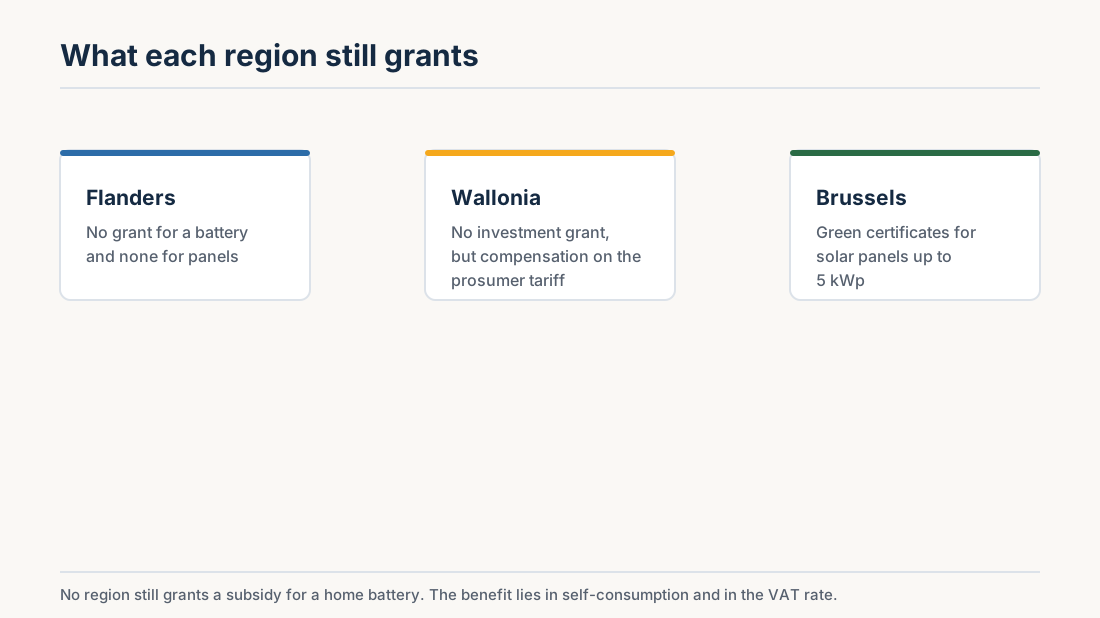
Belgium’s regions have distinct rules regarding building permits for solar panels, leading to different application requirements in Flanders, Wallonia, and Brussels. Each area assesses visibility, structure, and environmental impact based on its own criteria.
What are the rules in Flanders under VCRO?
In Flanders, rooftop solar panels that follow the roof’s slope and do not extend beyond edges usually do not require a permit. Ground-mounted systems remain exempt if their surface is under 40 m² and height below 3 meters.
Permits are needed for installations involving structural modifications or affecting separate buildings such as garages.
What are the regulations in Wallonia under CoDT?
Wallonia places emphasis on visual integration. Panels are exempt if installed on existing homes with a maximum overhang of 30 cm and limited visibility in sensitive zones.
Ground-mounted solar systems are exempt up to 20 m² provided they create no new built volume.
What does Brussels require under CoBAT?
Brussels prioritizes visibility from public space. Flat roof installations that are out of sight and cause no structural impact are exempt.
Panels visible from streets or on facades require permits. Additionally, Brussels mandates a grid declaration within 30 days after installation to support grid management and green certificate access.
How much does a building permit for solar panels in Belgium cost?
Permit costs range from free to approximately €1,500 depending on the project’s complexity, municipality, and necessary studies. Simple declarations often have no fees, whereas full permits incur administrative and professional charges.
Costs include:
- Municipal administrative fees
- Architect or consultant fees
- Technical studies, such as structural analyses
- Environmental or heritage impact assessments
What is a typical cost breakdown for a permit?
Consider a residential project requiring structural changes. The breakdown might be:
- Application fee: €150
- Architectural plans: €600
- Structural study: €400
- Administrative processing: €250
Total approximate cost: €1,400 incl. VAT.
When is a permit free?
You don’t need to pay a permit fee when only a declaration is necessary. This situation applies mainly to standard rooftop installations without structural changes.
Many homeowners overestimate the costs; most residential projects fall into the low cost or free category when designed properly.
For detailed cost insights, visit solar panel price insights.
Which factors influence the need for a building permit?
Several technical and visual factors determine whether a permit is required. Authorities assess each installation based on its impact and integration with the building and environment.
How does visibility affect permit requirements?
Visibility from public spaces strongly influences permit necessity. Panels visible from streets or mounted on facades almost always require approval.
How do structural modifications influence permit needs?
Any structural changes, such as roof reinforcement or new openings, trigger the need for a permit.
What role do property type and location have?
The type of property also matters. Apartment buildings, commercial properties, and rural sites often face stricter scrutiny due to shared structures and landscape considerations. Protected areas impose additional restrictions and higher chances of permit denial.
How does the Flemish solar obligation impact permit requirements?
The Flemish solar obligation mandates solar panel installation for buildings with high electricity consumption, increasing permit requirements for many cases.
Buildings consuming more than 1 GWh per year must install solar panels according to phased deadlines, with a minimum capacity of 12.5 Wp per m². Public buildings over 250 MWh are also subject to these rules.
What are the key deadlines and conditions?
- First operational installations by April 2026
- Later deadlines based on consumption year
- Minimum solar capacity of 12.5 Wp per m²
How does this obligation affect permits?
This requirement often involves structural changes or roof expansions, requiring environmental or urban planning approvals. This turns solar panel installation from optional to mandatory for many businesses, increasing administrative complexity.
What are the consequences of installing solar panels without a permit?
Installing solar panels without required approval results in legal and financial penalties, as it constitutes an urban planning violation.
What penalties might you face?
Penalties include fines ranging from €1,500 up to €50,000, forced compliance measures, or even demolition of non-compliant installations.
How does non-compliance impact property value and insurance?
Non-approved installations can decrease your property’s value and complicate sales, as notaries verify permit compliance during transactions.
Insurance companies often refuse claims connected to unapproved solar systems, increasing financial risk.
Compliance with permit rules helps you avoid these serious issues.
Understanding building permit regulations for solar panels in Belgium helps you avoid expensive delays and penalties. While many rooftop installations are exempt, visible panels and structural changes often require formal approval. I recommend assessing your specific project early and seeking professional advice. Using services like Soleva allows you to compare expert quotes and gain clarity before starting installation, ensuring a smooth and legal process.
Frequently Asked Questions
Do all rooftop solar panel installations in Belgium require a building permit?
No, most rooftop solar panel installations that align with the roof slope, remain invisible from public roads, and do not involve structural changes do not require a permit. However, local rules or protected building statuses can override these exemptions, so always confirm requirements with your municipality.
What costs can I expect for a building permit for small solar panel projects?
Small solar panel projects often incur no fees if only a declaration is needed. If a permit is required but no architect or technical study is involved, costs usually remain below €500, making it affordable to comply with regulations.
How long does the building permit process usually take in Belgium?
The process typically lasts from a few weeks to several months, depending on project complexity and region. Simple declarations are processed faster, while full permits may involve administrative review and public consultation. Planning ahead helps you avoid installation delays and meet solar obligation deadlines.
Does the Flemish solar obligation increase the need for building permits?
Yes, the Flemish solar obligation increases permit requirements for larger installations because these often involve structural or extensive alterations. Companies must manage compliance with energy regulations and urban planning rules, adding complexity to the process.
What are the risks of installing solar panels without a permit in Belgium?
Installing without a permit exposes you to fines, legal expenses, and potential removal of your solar system. Non-compliance can also affect property sales and insurance claims. Considering these risks, obtaining a permit is the safer and more cost-effective option.
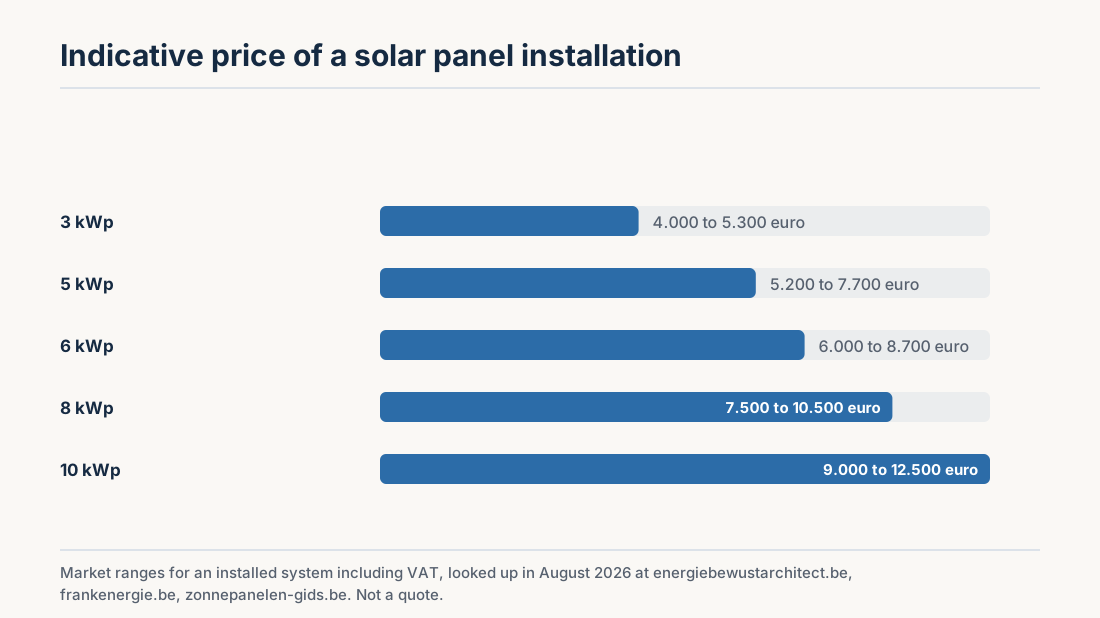
Indicative prices for the Belgian market, checked in August 2026 against energy-village.be, thuisbatterij.be and zen-zonne-energie.be. These are market ranges for an installed system including VAT, not a quotation: your price depends on capacity, brand and the state of your existing installation.
Read also
Ready to cut your energy bill?
Compare quotes for solar panels, home batteries and charging points.