Solar panels Belgium
replace solar inverter cost | Prices & savings
Replacing a solar inverter costs between €1,000 and €3,500 including installation, depending on the inverter type and your system’s size. Most homeowners face this replacement expense after 10 to 15 years because solar inverters have a shorter lifespan than solar panels. This comprehensive guide explains price ranges, provides calculation examples, compares replacement and upgrade options, and offers advice on how to reduce your total investment.
What is the typical price for replacing a solar inverter?
The cost to replace a solar inverter typically ranges from €1,000 to €3,500 including installation for most residential systems. The price depends on the type of inverter, system size, and installation complexity.
Here are common price ranges by inverter type:
- String inverter: €800 - €2,500 incl. VAT
- Microinverters: €150 - €350 per unit, totaling approximately €1,500 - €3,500 for a full system
- Hybrid inverter: €1,000 - €5,000 incl. VAT
Labor costs range from €200 to €500 depending on wiring and access conditions. For residential systems, inverter replacement is usually one of the main maintenance costs after installation.
How does the replacement cost vary by system size?
The replacement cost varies primarily based on the system capacity in kilowatts (kW).
- 5 kW system with string inverter: €750 - €1,200
- 6 to 8 kW system: €900 - €1,920
- 10 to 12 kW system: €1,500 - €2,880
An inverter is sized to match the output of your solar panels, which accounts for these price differences.
Do regional differences affect solar inverter replacement costs?
Regional factors such as labor rates and permitting processes impact replacement costs. For example, in Texas and California, labor tends to be more expensive in some areas, increasing installation charges, while hardware prices remain similar worldwide.
Which factors influence the inverter replacement cost?
Five main factors determine the overall inverter replacement cost:
- System size: Larger systems need higher-capacity inverters.
- Inverter type: Hybrid and microinverters generally cost more than string inverters.
- Efficiency rating: Inverters with efficiency between 97% and 99% cost more than those rated between 93% and 96%.
- Installation complexity: Extensive wiring or required electrical upgrades increase labor costs.
- Warranty status: Active warranties can reduce or eliminate replacement expenses.
How does warranty coverage affect replacement costs?
A valid manufacturer warranty often covers most hardware costs. However, many systems lose coverage because installers go out of business. Approximately one-third of installations become “orphan systems,” where owners must pay full replacement costs.
How do smart features influence solar inverter pricing?
Modern inverters often include WiFi monitoring, real-time performance tracking, and battery integration. While these features add to the initial cost, they enhance long-term energy management and system monitoring.
How much does an average inverter replacement cost? A calculation example
Consider a typical 6 kW residential system replacement with the following components:
- 6 kW string inverter: €1,200
- Installation labor: €350
- Electrical upgrades: €200
- Monitoring setup: €150
Total estimated cost: approximately €1,900 incl. VAT.
This reflects a standard local inverter replacement quote for a typical home solar system.
How does adding batteries affect the inverter replacement cost?
Including battery storage substantially increases the replacement cost. For instance:
- Hybrid inverter: €2,500
- Battery system (10 kWh): €6,000
- Installation and wiring: €1,500
- Electrical upgrades: €400
Total estimated cost: approximately €10,400 incl. VAT.
While more expensive, this setup improves self-consumption and reduces dependence on the electrical grid.
What strategies help reduce inverter replacement costs without sacrificing quality?
You can lower your total investment by choosing the right replacement approach rather than simply selecting the lowest-priced inverter.
- Opt for like-for-like replacements to avoid costly rewiring.
- Choose string inverters when your roof layout is straightforward.
- Reuse existing cabling if it is compatible to save installation time and expense.
- Combine replacement with available system upgrade incentives or rebates.
In some cases, upgrading the entire solar setup with a modern system offers better value than replacing only the inverter.
When is upgrading a better option than just replacing the inverter?
Upgrading is advisable when your system is smaller or outdated. New panels often have higher power output, significantly improving overall energy production. Investing in a full system upgrade can yield greater efficiency and cost savings over time compared to repairing or replacing older components.
What should a replacement quote include and exclude?
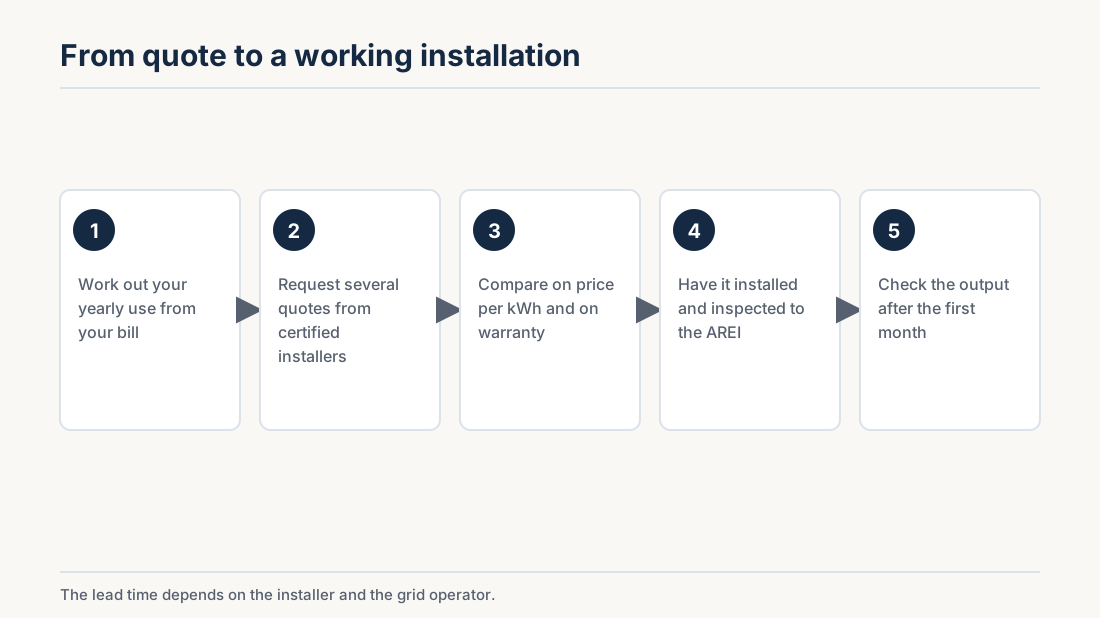
A detailed and clear quote ensures you avoid unexpected costs during replacement.
A typical quote includes:
- New inverter unit
- Basic installation labor
- System testing and commissioning
Often excluded from quotes are:
- Electrical panel upgrades
- New cabling or connectors
- Battery integration costs
- Permit or inspection fees
Understanding these inclusions and exclusions helps you compare replacement offers effectively.
How long does the inverter replacement process take?
Experienced installers usually complete a standard inverter replacement within 1 to 2 hours. More complex upgrades or system enhancements may extend the work to a full day.
Can you replace a solar inverter yourself?
Replacing a solar inverter requires certified electrical work. Attempting a DIY replacement can cause system damage and void warranties. Always hire qualified professionals for inverter replacement to ensure safety and compliance.
Replacing your solar inverter generally costs between €1,000 and €3,500, with higher prices for hybrid systems. The key choice involves deciding between a like-for-like replacement or a system upgrade for improved performance and savings. If your existing system is older or underperforming, upgrading often provides greater long-term benefits. To find the best option for your energy needs and budget, compare multiple quotes from experienced providers.
Frequently Asked Questions
How much does it cost to replace a solar inverter?
Replacing a solar inverter typically costs between €1,000 and €3,500 including installation for residential systems. Larger systems or hybrid configurations increase the price due to higher capacity needs and additional components like batteries and monitoring equipment.
How long do solar inverters last before replacement is needed?
Solar inverters often last 10 to 15 years for string models, while microinverters can last up to 25 years. Factors such as heat exposure, usage frequency, and product quality affect lifespan. Monitoring your system helps identify declining performance early.
Is it more cost-effective to repair or replace a solar inverter?
Repair costs range from €500 to €3,000 depending on the issue. Minor repairs like rewiring are less expensive, but internal failures can approach the cost of a new inverter. If repair expenses exceed half the price of replacement, opting for a new inverter is usually more reliable long term.
What does the 20% rule mean for solar inverter sizing?
The 20% rule means inverter capacity can be 80% to 120% of the solar panel system’s output. This range improves efficiency during low sunlight periods and limits energy losses at peak production. Correct sizing enhances overall system performance without unnecessary costs.
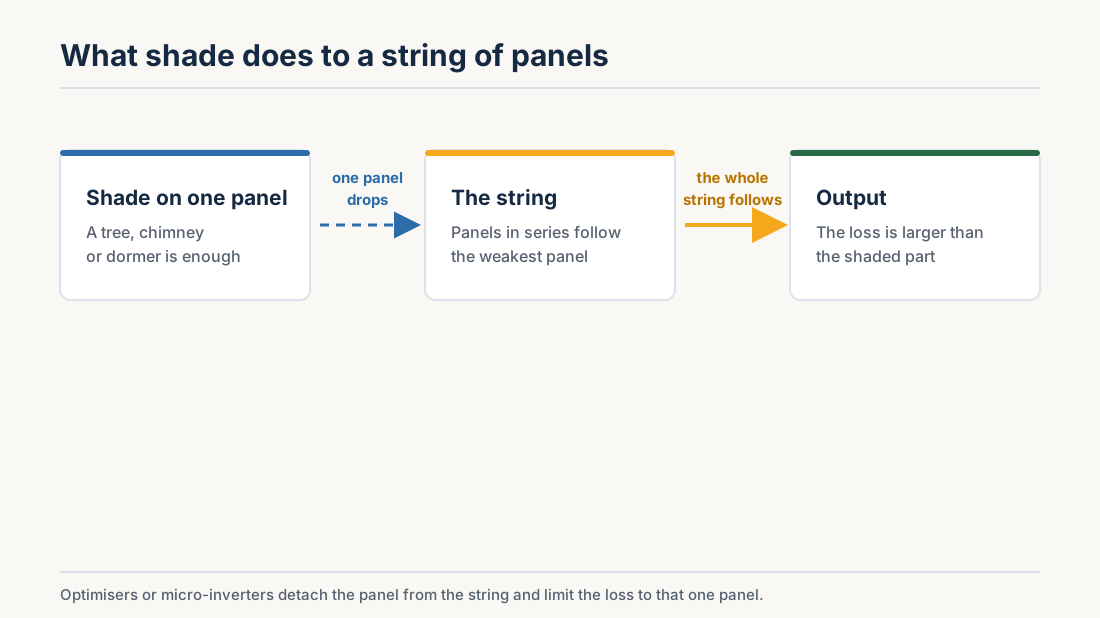
What are the price differences between string inverters and microinverters?
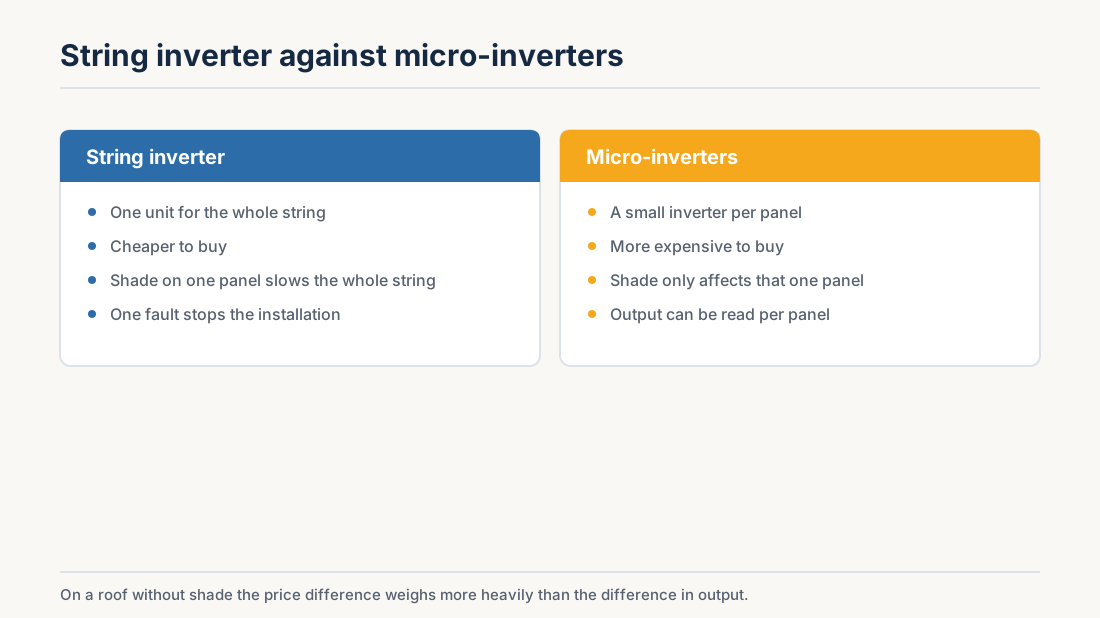
String inverters cost between €800 and €2,500 for a full system, while microinverters cost €150 to €350 per panel. A complete microinverter setup can total €2,000 to €3,500. Microinverters provide panel-level optimization and often better performance but at a higher upfront cost.
Indicative prices for the Belgian market, checked in August 2026 against energy-village.be, thuisbatterij.be and zen-zonne-energie.be. These are market ranges for an installed system including VAT, not a quotation: your price depends on capacity, brand and the state of your existing installation.
Read also
Ready to cut your energy bill?
Compare quotes for solar panels, home batteries and charging points.