Solar panels Belgium
solar inverter size calculator guide
Using a solar inverter size calculator helps you determine the optimal inverter capacity by aligning your solar panel output with real-world performance losses and system requirements. This calculation considers panel wattage, the number of panels, and efficiency factors to recommend the ideal AC inverter size, usually applying a DC to AC ratio between 1.15 and 1.3.
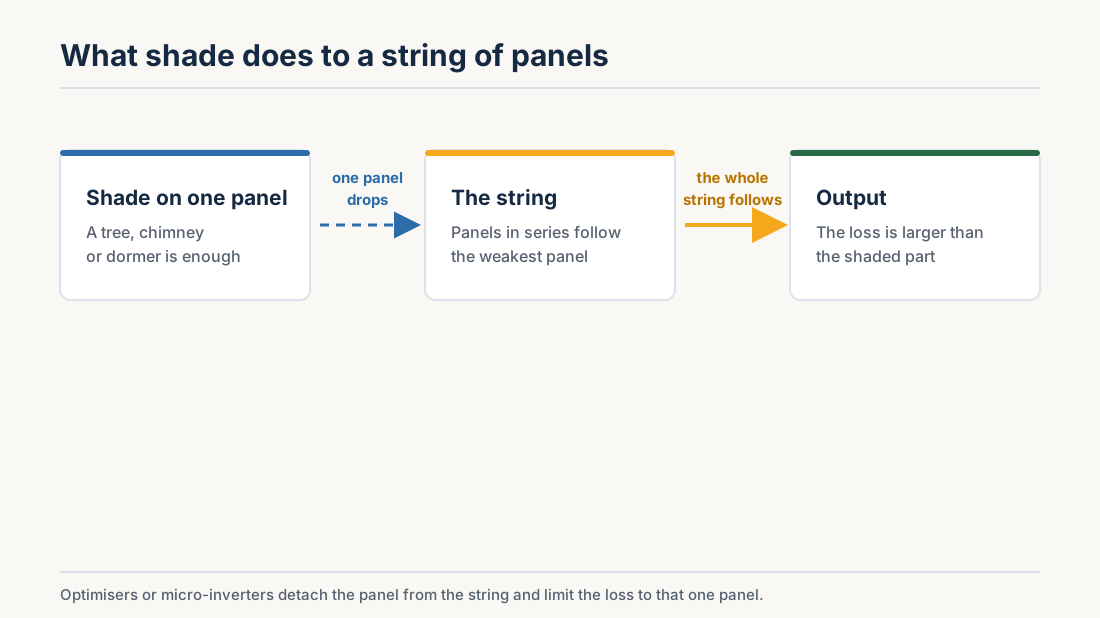
For example, most homes with a 6 - 8 kWp system select a 5 - 6 kW inverter depending on shading and energy consumption patterns.
What Function Does a Solar Inverter Size Calculator Perform?
A solar inverter size calculator converts the total solar array power into a recommended inverter capacity in kilowatts by applying efficiency losses and safety margins. It matches the DC output from the solar panels with the AC power consumption needs of your home.
The calculator requires the following key inputs:
- Panel wattage and the number of panels
- Total system size expressed in kilowatt-peak (kWp)
- Efficiency ranging typically from 95% to 98%
- Derating losses between 10% and 20%
- Peak sun hours at your location
The tool generates a range of recommended inverter sizes, including minimum and maximum capacities, to avoid oversizing and clipping losses effectively. Selecting the proper inverter greatly influences your system’s energy yield and financial return. For more details, check out our solar panel system options page.
How Does a DC to AC Inverter Size Calculator Work?
A DC to AC inverter calculator applies a ratio between the solar array’s DC power and the inverter’s AC output capacity. The standard ratio used ranges from 1.15 to 1.3 to balance efficiency and avoid clipping.
Here are examples illustrating this calculation:
- A 6 kWp solar array divided by 1.2 results in a recommended 5 kW inverter
- An 8 kWp array divided by 1.25 results in a recommended 6.4 kW inverter
Why Does the Calculator Provide a Range Rather Than a Single Value?
The calculator provides a recommended range because actual system conditions vary daily. Factors such as temperature, shading, and panel orientation influence power production. Offering a range gives you flexibility to balance system performance and installation costs.
How Can You Calculate Solar Inverter Capacity for Your Home Step by Step?
You calculate inverter capacity by multiplying total panel power, considering losses, and adjusting with an appropriate DC to AC ratio.
What is the Formula for Calculating Inverter Size (PDF Version)?
The fundamental formula, also commonly presented in inverter sizing PDF guides, involves these steps:
- Calculate array size by multiplying panel wattage by the number of panels
- Derate the power by applying a factor between 0.8 and 0.9 to account for losses
- Determine inverter size by multiplying the derated power by a factor between 0.75 and 1.25 depending on your system type
How Do System Losses Influence Inverter Sizing?
Real output of your solar system decreases due to various losses and these must be factored into inverter sizing:
- Temperature loss typically ranges from 10% to 15%
- Shading results in a 5% to 10% loss
- Wiring losses often about 2% to 3%
- Dust accumulation can cause 2% to 5% loss
Accounting for these losses justifies slightly oversizing the solar panel array relative to the inverter capacity to maximize energy harvest.
Can You See a Practical Calculation Example?
Consider a typical household solar setup using the following data:
- Panels rated at 400W × 25 panels = 10,000W total array capacity
- Derated power calculated as 10,000W × 0.85 = 8,500W
- Recommended inverter size is therefore 8.5 kW
- Estimated daily energy production is 8.5 kW × 5.5 peak sun hours × 0.96 efficiency = approximately 44.9 kWh
Which Types of Solar Systems Affect Inverter Sizing?
Inverter sizing varies depending on whether your system is grid-tied, off-grid, or hybrid, as energy flow and storage requirements differ significantly.
What Defines Sizing for Grid-Tied Systems?
Grid-tied systems usually size the inverter between 75% and 125% of the solar array power, with most residential setups targeting 90% to 110%. This range balances efficiency and avoids excessive clipping during peak production.
How is Off-Grid System Inverter Sizing Determined?
Off-grid systems size the inverter based on the peak load expected from appliances plus an additional 20% margin for safety. This sizing approach ensures reliable power during times of maximum demand without depending on the grid.
How Does Hybrid System Inverter Sizing Combine Both?
Hybrid systems must support both solar production and battery charging simultaneously. Therefore, they often require a larger inverter size to manage household loads and battery operations efficiently. Pairing with a solar energy setup also boosts self-consumption and energy independence.
What Is the Typical Price Range for a Solar Inverter?
The price of solar inverters varies depending on capacity, efficiency, and type. Here are typical price ranges including VAT:
- 3 kW inverter: €600 - €900
- 5 kW inverter: €750 - €1,250
- 10 kW inverter: €1,500 - €2,500
Can You See a Full Cost Calculation Example for a Solar System?
Here is an example illustrating the total investment for a typical solar system:
- 25 solar panels × €220 each = €5,500
- 5 kW inverter = €1,000
- Mounting system = €700
- Installation labor = €2,000
- Total estimated cost = €9,200 including VAT
This estimate aligns within the usual solar installation price range for residential systems.
Which Regulations Affect Solar Inverter Sizing?
Solar inverters must comply with national and international electrical and grid standards to operate safely and within legal requirements.
Key standards you should be aware of include:
- IEEE 1547 which applies to grid interconnection
- National Electrical Code (NEC) for electrical safety standards
- Synergrid C10/26 specific to Belgian grid compliance
Why Does Grid Compliance Influence Inverter Sizing?
Grid regulations limit how much power your system can export and the maximum clipping allowed. Inverters must meet threshold requirements for voltage and power to ensure grid stability.
How Do Digital Meters Impact Self-Consumption and Inverter Sizing?
Modern digital meters enhance monitoring of self-consumption, encouraging slight undersizing of the inverter to reduce grid feed-in and maximize on-site energy use, improving your savings.
How Do You Choose the Right Size Inverter for Your Solar System?
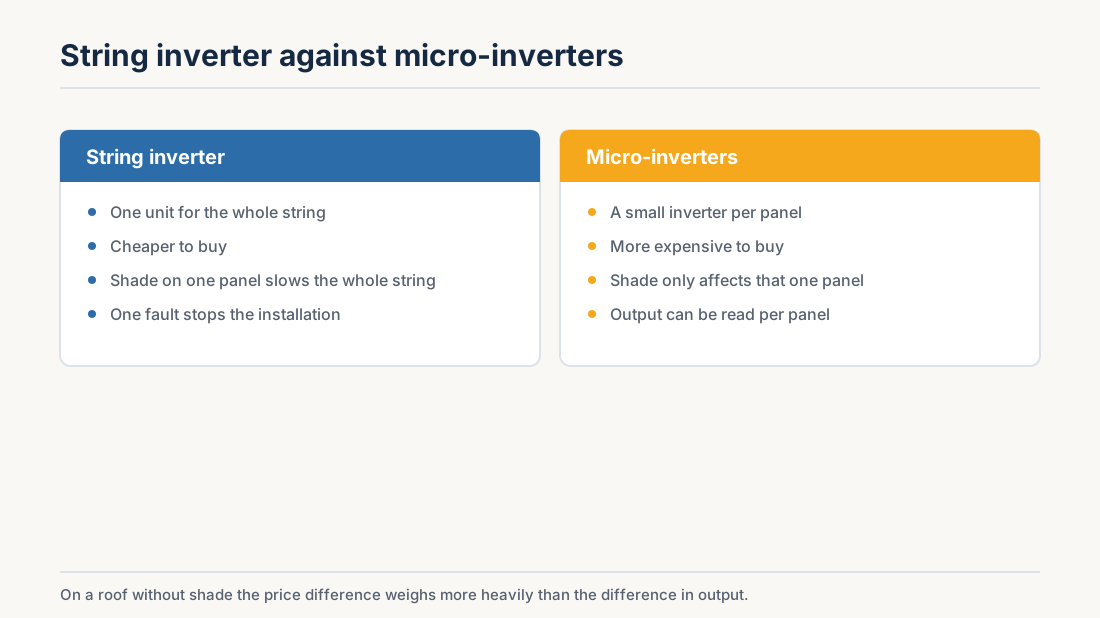
Selecting the optimal inverter size involves aligning the solar array capacity with your household’s energy consumption and considering potential future system expansions.
Which Inverter Size Works for a 7 kW Solar System?
A 7 kW solar array typically matches a 5.5 to 6 kW inverter, using a 1.2 DC to AC ratio. This size avoids significant energy clipping and maximizes overall yield.
What Size Inverter is Needed for a 20 kWh Battery?
A 20 kWh battery requires a hybrid inverter with a capacity generally between 8 kW and 12 kW, depending on the peak load and charging power requirements to handle simultaneous operations.
What Does the 20% Rule Mean for Solar Inverter Sizing?
The 20% rule recommends that inverter capacity should exceed the system’s peak load by at least 20%, allowing headroom for power surges and conversion inefficiencies.
When Should You Avoid Oversizing a Solar Inverter?
Avoid oversizing when your rooftop has no shading and your energy consumption remains stable. In such cases, matching inverter size closely to your panel output helps maintain system efficiency.
Selecting the correct inverter size depends on balancing your solar panel capacity, household energy demand, and system losses. A well-sized inverter maximizes efficiency, minimizes wasted energy, and accelerates your investment payback. Begin with a dependable calculation tool, then confirm results with a professional installer’s quote. At Soleva, you can explore various system options and receive customized advice tailored to your specific energy requirements.
Frequently Asked Questions
How do you know what size solar inverter you need?
You determine the suitable solar inverter size by calculating your solar panel output and applying a DC to AC ratio between 1.15 and 1.3. This calculation accounts for efficiency losses and prevents energy clipping to ensure the inverter matches your production and consumption patterns effectively.
What is the price of using a solar inverter size calculator?
Most basic solar inverter size calculators are free to use. Advanced versions that generate detailed PDF reports or incorporate solar irradiance data might charge fees. However, many homeowners can accurately estimate inverter size without paid tools by comparing multiple scenarios themselves.
Can a solar inverter size calculator work for off-grid systems?
Yes, a solar inverter size calculator can be used for off-grid systems by focusing on peak load demands and battery capacity. It calculates inverter size based on the appliances’ power requirements with an added safety margin to ensure stable off-grid power supply.
What is included in an inverter size chart?
An inverter size chart provides recommended inverter capacities based on solar array size and typical DC to AC ratios for different system types. While it offers quick reference information, it lacks the personalization and accuracy that calculators provide for real-world installations.
Does inverter efficiency affect system performance?
Inverter efficiency significantly influences the usable energy output of your solar system. Modern inverters generally operate at efficiencies between 95% and 98%. Lower efficiency results in greater energy loss during DC to AC conversion, meaning you may need a slightly larger inverter or solar panel array to compensate.
Indicative prices for the Belgian market, checked in August 2026 against energy-village.be, thuisbatterij.be and zen-zonne-energie.be. These are market ranges for an installed system including VAT, not a quotation: your price depends on capacity, brand and the state of your existing installation.
Read also
Ready to cut your energy bill?
Compare quotes for solar panels, home batteries and charging points.