Home battery belgium
home battery heat pump price & savings guide
A home battery heat pump setup stores electricity and heat to reduce your energy bills and improve self-consumption of renewable energy. This system involves a heat pump that converts electricity into heat, a home battery that stores electrical energy, and sometimes a thermal battery that stores heat in water for later use. Many households lower heating costs by shifting energy use to cheaper electricity periods and using stored energy during peak times.
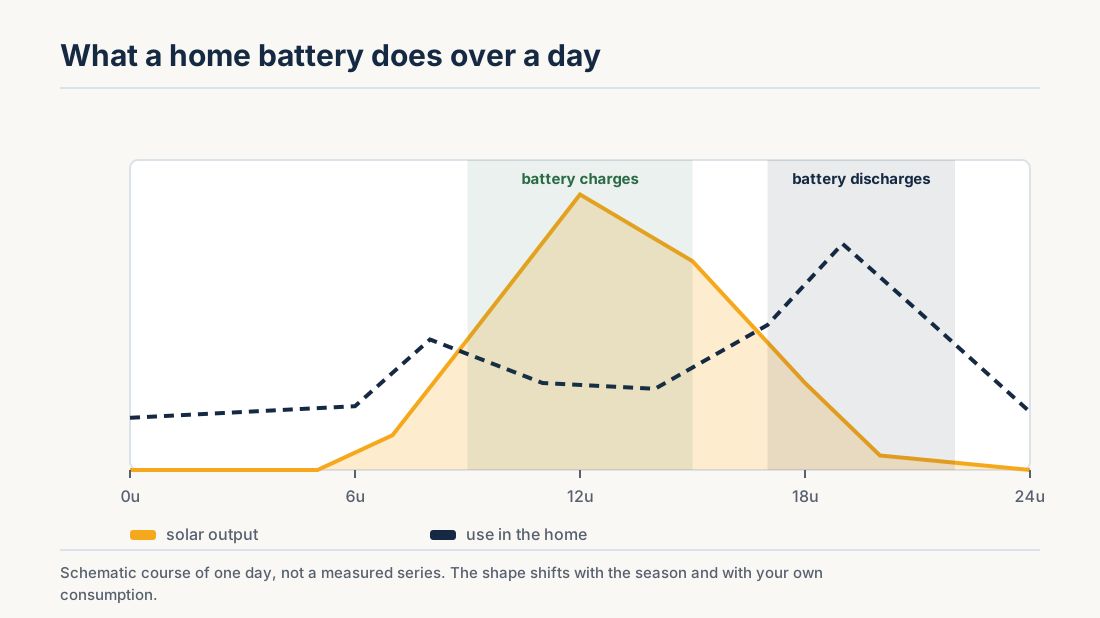
This guide explains how these systems work, details the costs involved, highlights when such a system is beneficial, and compares it with alternatives like solar panels and thermal storage.
How does a home battery heat pump system operate?
A home battery heat pump system stores electricity or heat and uses these resources when demand or electricity prices are high. The heat pump extracts heat from sources such as air, ground, or water, converting 1 kW of electricity into several kilowatts of heat energy.
The home battery enhances system flexibility by storing electricity during low-price periods or when solar panels generate excess power and supplying that electricity to the heat pump when needed.
What function does a home battery serve?
The home battery stores electrical energy for later use, enabling load shifting. You can charge the battery when electricity tariffs are low and discharge it during periods of higher heating demand.
- Stores surplus solar electricity
- Provides power during peak electricity tariffs
- Reduces reliance on the electrical grid
How does a thermal battery work in a home setting?
A thermal battery stores heat instead of electricity, typically using an insulated water tank. The heat pump heats the water and stores it for later use in heating or domestic hot water.
- Stores heat directly to reduce energy conversion losses
- Achieves higher efficiency compared to electrical energy storage
- Works especially well with air-to-water heat pump systems
In what way does load shifting reduce heating costs?
Load shifting uses electricity during cheaper tariff periods by storing energy overnight and utilizing it during the day. This strategy can reduce heating bills by over 50% without compromising comfort.
To understand how solar panels integrate with these systems, see the solar panels overview.
Which technologies are available for home battery heat pump systems?
Different technologies affect how energy is stored and used, influencing efficiency, flexibility, and price.
What is a lithium-ion home battery system?
Lithium-ion batteries store electricity efficiently and are well-suited for homes with solar panels and dynamic electricity tariffs.
How does a harvest heat pump with thermal storage work?
A harvest heat pump integrates with a smart thermal battery that stores heat in a water tank and optimizes energy use based on electricity tariffs and weather forecasts, reducing electricity consumption during peak hours.
How do hybrid systems integrate solar panels, batteries, and heat pumps?
Hybrid systems connect solar panels, a battery, and a heat pump via a smart inverter to maximize self-consumption and balance seasonal differences between energy production and heating demand.
For more details on system sizing and solar production, visit the solar panels overview page.
What are the costs involved in a home battery heat pump system?
The price for a home battery heat pump system ranges between €8,000 and €20,000 incl. VAT, depending on capacity, battery size, and system complexity.
The main price components include:
- Heat pump unit: €4,000 - €10,000
- Home battery (5 - 15 kWh): €9,000 - €13,000
- Inverter and control systems: €1,000 - €2,500
- Installation and integration: €1,500 - €3,500
What does a full system cost in an example calculation?
A typical system might include an air-to-water heat pump costing €6,500, a 10 kWh battery at €5,000, a hybrid inverter priced at €1,500, and installation fees around €2,000, totaling approximately €15,000 incl. VAT.
Adding solar panels increases the price, often exceeding €18,000 incl. VAT, depending on panel size and installation complexity.
When is a home battery heat pump system most beneficial?
Such systems are most beneficial in households with high electricity use and flexible tariffs, particularly when there is a mismatch between energy production and consumption.
Does it make sense to get a battery with a heat pump?
Yes, including a battery in your heat pump system enhances savings by allowing you to store electricity during low tariffs and use it later for heating.
Can a battery power a heat pump independently?
A battery can power a heat pump, but its capacity limits how long the heat pump can run continuously, especially during cold weather when heating demand is high.
Is a 10 kWh battery sufficient to power a house?
A 10 kWh battery supports typical daily electrical loads and short heating periods but cannot fully meet heating demand during winter days, when heat pumps might require 30 - 60 kWh daily in cold conditions.
What are the advantages and disadvantages of a home battery heat pump?
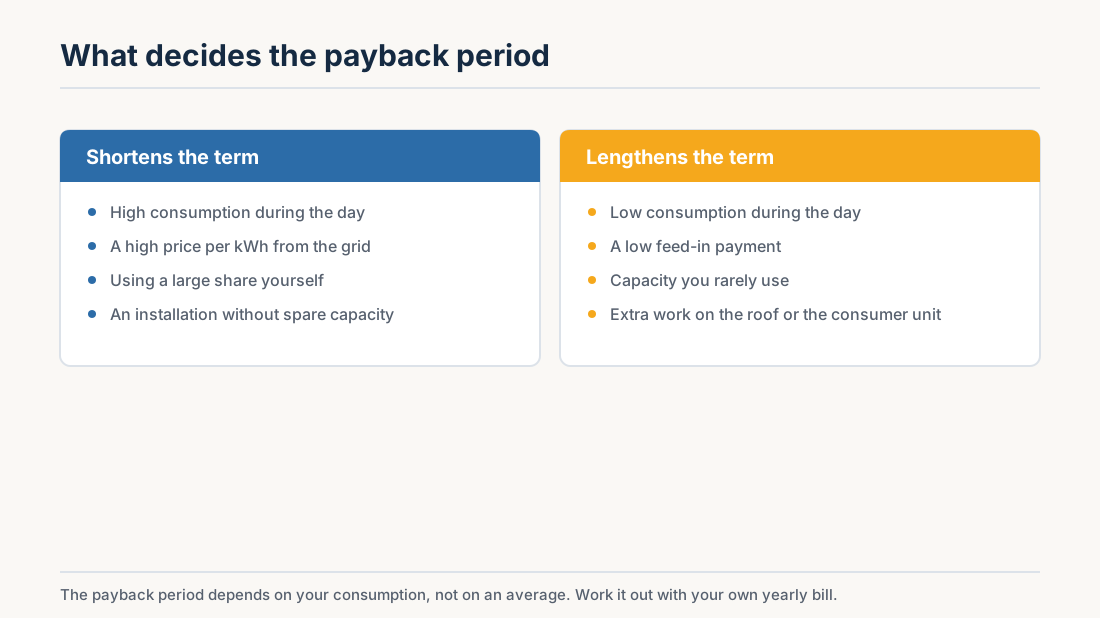
The system offers benefits and drawbacks related to cost, efficiency, and complexity.
Benefits include reducing energy bills and lowering carbon emissions, considering that heating and hot water make up roughly 71% of household energy use.
- Decreases electricity costs through load shifting
- Increases self-consumption of solar energy
- Reduces carbon dioxide emissions
The disadvantages mainly involve high upfront investment and system complexity.
- Significant initial cost
- Battery capacity may not cover heating during peak demand
- Requires advanced control systems for optimal operation
It is important to note that while batteries improve cost optimization, they generally do not provide full energy independence from the grid.
How does a home battery heat pump compare with alternative solutions?
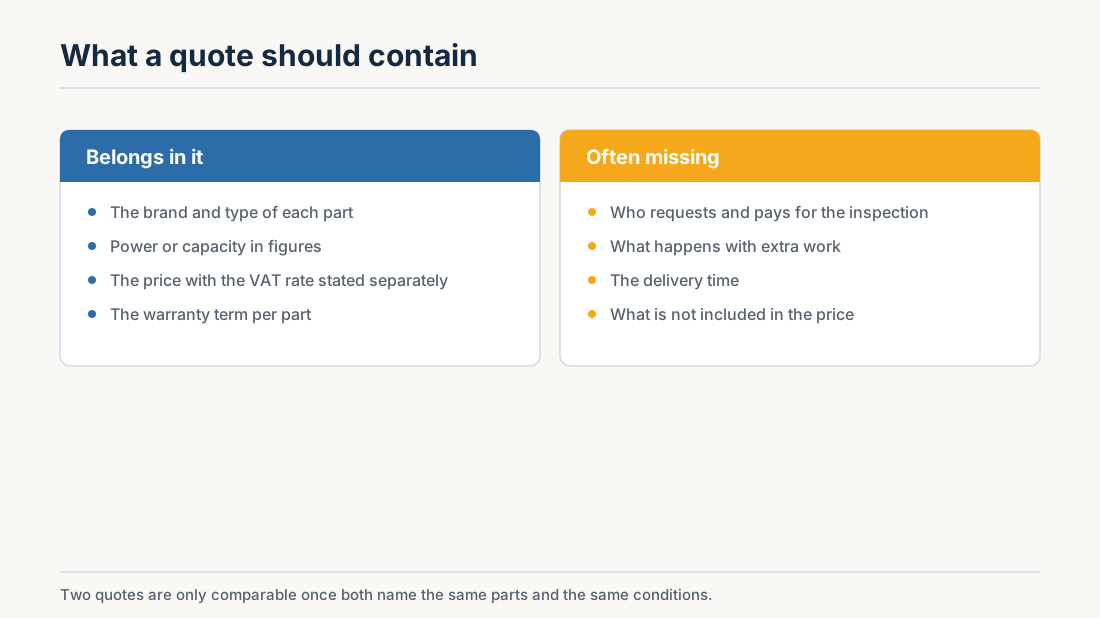
The system compares to thermal storage and grid-only setups by balancing efficiency and operational flexibility.
What are the differences between a home battery and a thermal battery?
Electrical batteries store electricity, while thermal batteries store heat directly. Thermal storage typically experiences fewer energy conversion losses, whereas electrical storage offers greater operational flexibility.
How does a system with a battery differ from one without?
Without a battery, a system relies on grid electricity during peak tariffs. Adding a battery reduces peak demand from the grid and allows better control over energy costs.
Comparing usage with solar generation helps clarify these differences; see the solar generation systems page for more information.
When might a home battery heat pump system not be suitable?
This system may not be suitable if you have a low, fixed electricity tariff or minimal energy consumption, as the investment payback period could be long in such cases.
Combining a heat pump with energy storage enables you to control your electricity use effectively, resulting in lower heating costs. Smart tariff plans and correctly sized systems contribute most to cost savings, rather than the battery alone. To choose the best configuration for your energy needs and budget, request multiple quotes and compare options with guidance from Soleva.
Frequently Asked Questions
What is the price of a home battery heat pump system with solar panels?
The price for a complete system including solar panels typically falls between €15,000 and €25,000 incl. VAT. The final cost depends on the size of the solar array, battery capacity, and installation specifics. Incorporating solar panels enhances savings by providing self-generated electricity for heating instead of relying solely on the grid.
Can a home battery heat pump operate without solar panels?
Yes, the system can function without solar panels by charging the battery from the electrical grid during off-peak hours. This still helps reduce energy bills, especially with time-of-use tariffs, though the savings are generally lower compared to systems that include solar generation.
How does the price of a thermal battery compare to a home battery?
Thermal batteries usually have lower upfront costs because they use straightforward heat storage methods such as insulated water tanks. Home batteries, by storing electrical energy, provide more flexibility but typically cost more.
How long can I expect a home battery heat pump system to last?
The battery component usually lasts between 10 and 15 years, while the heat pump can last longer. The system’s longevity depends on usage patterns, maintenance, and quality. Regular monitoring and appropriate sizing help sustain efficiency over the system’s lifespan.
Is a DIY home battery heat pump installation advisable?
A DIY installation is not recommended for most homeowners due to the complexity involving electrical connections, refrigerant handling, and safety rules. Incorrect installation can cause inefficiency or failure. Professional installation ensures proper sizing, compliance with regulations, and optimal long-term performance.
Indicative prices for the Belgian market, checked in August 2026 against energy-village.be, thuisbatterij.be and zen-zonne-energie.be. These are market ranges for an installed system including VAT, not a quotation: your price depends on capacity, brand and the state of your existing installation.
Read also
Ready to cut your energy bill?
Compare quotes for solar panels, home batteries and charging points.