Home battery belgium
home battery backup power price and systems
A home battery backup power system stores electricity to supply your home during outages or times of peak pricing. It helps reduce your dependence on the grid, stabilize electricity use, and ensure essential appliances remain operational when the grid fails. In Belgium, updated tariff structures raise self-consumption from 30 - 40% to 70 - 85% when using a battery system.
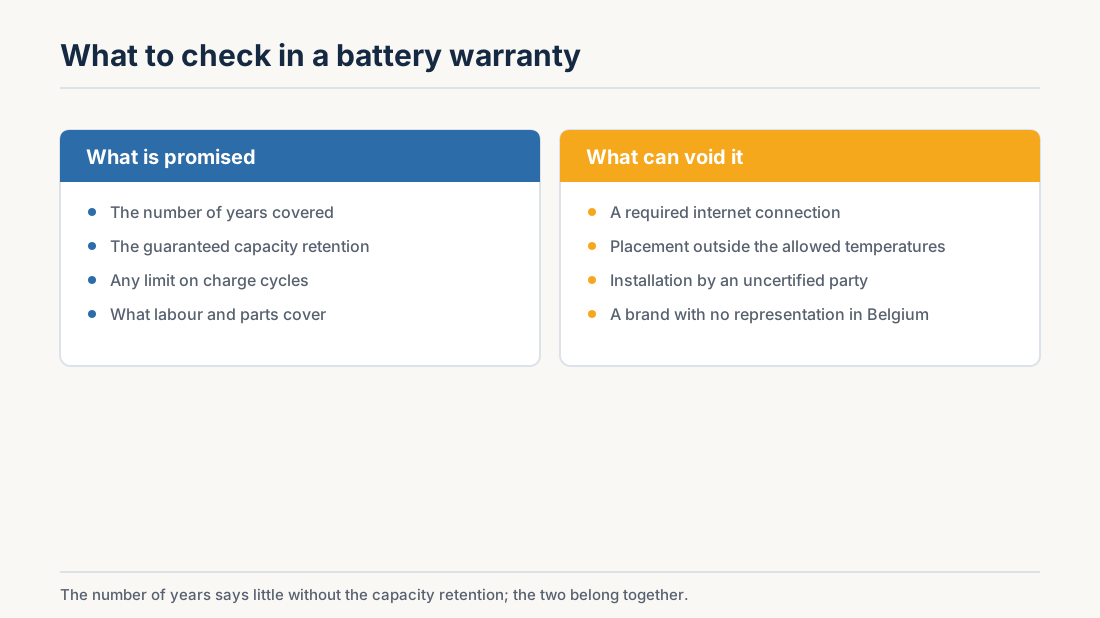
The essential components work together smoothly. For more on solar, visit the solar panels overview page.
- Battery storage: holds electricity measured in kilowatt-hours (kWh).
- Inverter: converts stored direct current (DC) into usable alternating current (AC) electricity.
- Battery management system (BMS): ensures battery safety and optimizes performance.
- Smart controller: regulates charging and discharging processes.
How does the system activate backup power during outages?
The system switches to backup mode within about 20 milliseconds, providing uninterrupted power to devices like routers, refrigerators, and lighting during blackouts.
How does a home battery backup power system integrate with solar panels?
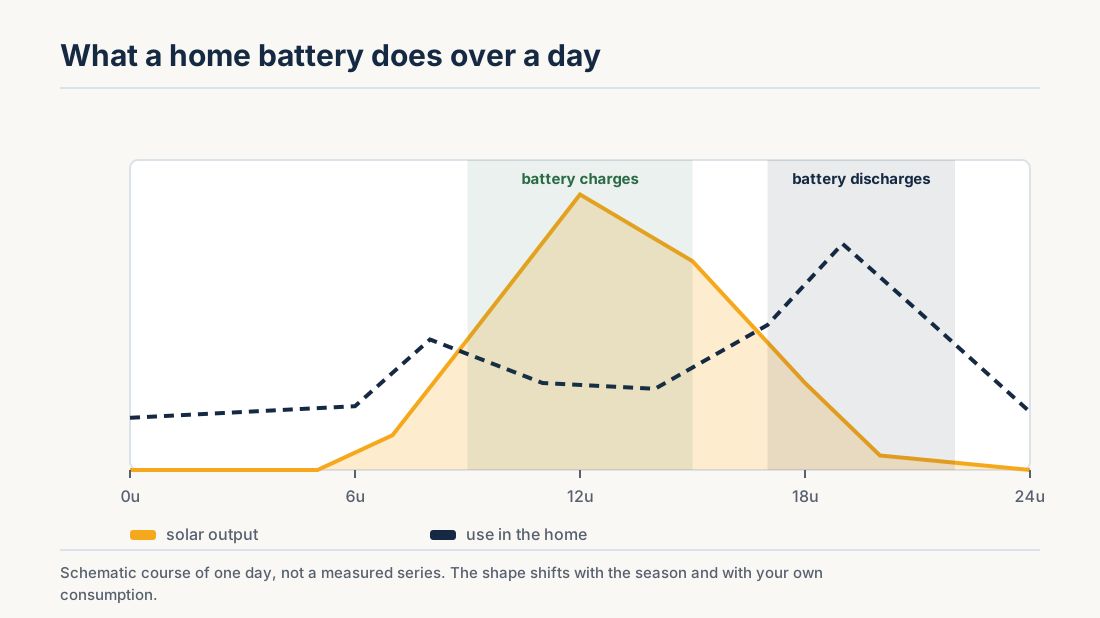
The system stores surplus solar energy produced during the day and delivers it at night. Without storage, excess solar electricity typically sells back to the grid at around €0.05 per kWh, whereas buying electricity costs approximately €0.30 per kWh.
Which types of home battery backup power systems are available?
Home battery backup systems vary based on their charging methods and interactions with the grid. Your choice depends on whether you have solar panels and your desired level of energy independence.
What is a home battery backup without solar panels?
A home battery backup without solar stores electricity from the grid during off-peak hours and uses it during costly peak periods. This option suits homes without solar installations but with dynamic energy tariffs.
What defines a solar battery backup system?
A solar battery system captures and stores excess solar power to increase self-consumption and cut energy bills. It also supplies backup power during outages.
What are off-grid and hybrid battery systems?
Hybrid systems combine solar, battery storage, and grid interaction smoothly. Off-grid systems work independently from the grid, often requiring larger capacities and higher output power to meet all energy needs.
What costs are associated with home battery backup power?
The price of home battery backup power ranges from around €900 for small 5 kWh units to €10,000 or more for comprehensive whole-home solutions, depending on capacity and installation complexity.
Typical costs include:
- 5 kWh system: €900 - €3,000 including VAT
- 10 kWh system: €7,000 - €10,000 including VAT
- 15 kWh system: €9,000 - €13,000 including VAT
Which factors influence the overall home battery backup power cost?
Costs depend on system capacity, inverter type, and installation complexity. Systems with higher output to support full-home backup require more robust inverters and sometimes additional electrical upgrades.
What does a typical home battery backup power system cost?
Consider a 10 kWh lithium battery system as an example:
- Battery unit: €5,000
- Hybrid inverter: €1,200
- Installation and wiring: €1,500
- Electrical panel upgrade: €400
The total investment amounts to about €8,100 including VAT. Smart charging strategies combined with this system can shorten payback to approximately 6 - 8 years.
When does home battery backup power provide the greatest benefits?
Home battery backup power is most advantageous when electricity prices are high, outages occur frequently, or solar panels are installed.
How do new tariffs increase battery value?
Dynamic and capacity tariffs enhance the benefit of stored energy by reducing peak consumption and lowering grid-related costs.
In what situations is backup power crucial for households?
Backup systems prevent disruptions to heating, refrigeration, and internet access during outages. Areas with less stable grids gain the most benefit from such systems.
What are the advantages and disadvantages of home battery backup power?
Benefits of home battery backup power include improved energy independence and cost savings. However, upfront investment and storage duration during prolonged outages remain challenges.
Advantages: reduced electricity bills, silent operation, zero emissions, and substantially increased solar self-consumption.
Disadvantages: significant initial costs and limited usable backup time during extended power failures. Proper capacity planning is vital to ensure optimal performance.
How does home battery backup power compare with traditional generators?
Home battery backup power operates silently and produces no emissions, while generators rely on fuel and generate noise.
- Batteries supply instant backup, need no fuel, and integrate seamlessly with solar systems.
- Generators provide longer runtime but require fuel refills and maintenance.
- Batteries support energy savings through smart charging control.
Batteries suit everyday energy optimization best, whereas generators are advisable mainly for long-lasting outages.
When is home battery backup power not recommended?
You might avoid installing a battery system if your electricity consumption is low or if you don’t have sufficient solar production or favorable tariffs. When the payback extends beyond the system’s expected lifespan or the grid is very reliable, smaller systems or no battery may be a better option.
How do you select the best home battery backup power system for your needs?
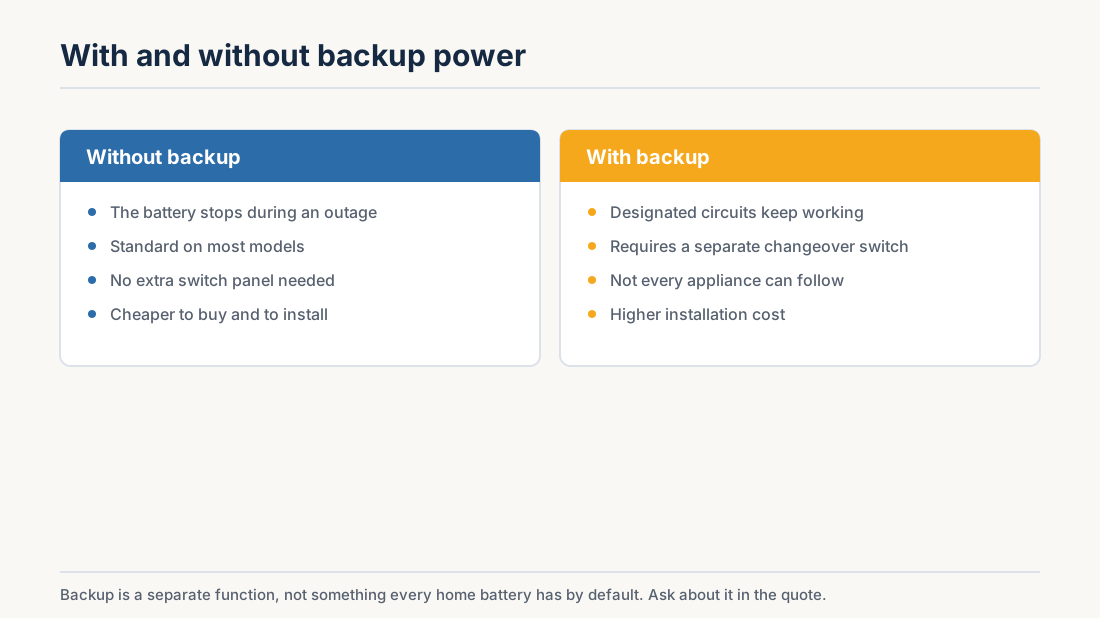
The best system balances capacity, safety features, and scalability to fit your specific home energy requirements.
What features make a system reliable?
Reliable systems commonly use LiFePO4 batteries with over 6,000 cycles and advanced battery management systems to maintain long-term performance.
How do Tesla Powerwall and similar systems compare?
Tesla Powerwall offers an integrated 13.5 kWh storage solution suited for whole-home backup with smooth solar integration.
Which solar battery backup system delivers the best home performance?
The top solar battery backup combines solar compatibility with intelligent energy management and scalable capacity. Systems supporting dynamic tariffs and peak shaving provide the highest financial returns.
Selecting the right energy storage system depends on your consumption patterns, electricity tariffs, and backup requirements. A properly sized home battery reduces grid reliance and shortens return on investment, especially when paired with solar panels. Begin by analyzing your annual energy use and obtaining multiple quotes through Soleva to find realistic system options and prices.
Frequently Asked Questions
What is the best battery backup for homes?
The best battery backup for homes offers sufficient capacity, high power output, and a long cycle life. Systems using LiFePO4 battery technology combined with smart energy management excel in daily use. Matching the system size to your consumption patterns prevents unnecessary expenditures while ensuring coverage of essential loads during power outages.
Is a 10 kWh battery sufficient to power a house?
A 10 kWh battery can run essential appliances like lighting, refrigerators, and internet equipment for several hours. Complete home coverage depends on overall energy consumption and peak demands. If your home has electric heating or large appliances, you may need greater capacity or load management strategies to prevent rapid battery depletion.
How long can a 20 kWh battery power a household?
A 20 kWh battery typically supports an average home’s essential devices for one to two days. Heavy use, such as electric heating or cooking, shortens this duration. Using smart load management helps extend backup time and limits unnecessary electricity use during outages.
What is the price range for a whole-home battery backup system?
Whole-home battery backup systems usually cost between €7,000 and €12,000, depending on size and installation requirements. Larger systems with full-home backup capability require more powerful inverters and additional electrical improvements, increasing the total price.
Can home battery backup power be installed without solar panels?
Yes, you can install battery backup systems without solar panels by charging them from the grid. This approach works well with dynamic tariffs, allowing you to store electricity when it is inexpensive and use it during higher-priced periods.
Indicative prices for the Belgian market, checked in August 2026 against energy-village.be, thuisbatterij.be and zen-zonne-energie.be. These are market ranges for an installed system including VAT, not a quotation: your price depends on capacity, brand and the state of your existing installation.
Read also
Ready to cut your energy bill?
Compare quotes for solar panels, home batteries and charging points.