Home battery belgium
home battery recycling guide and disposal
Recycling home batteries recovers valuable materials such as lithium and copper while preventing harmful waste from polluting the environment. In Belgium, networks such as Bebat collection points offer free recycling services for various battery types, including lithium-ion batteries used in solar energy storage. This process complies with strict EU regulations that set rising efficiency targets to ensure effective material recovery.
This guide explains how home battery recycling works, safe disposal options, and how EU laws support sustainable battery management.
What does home battery recycling involve and how does it benefit your system?
Home battery recycling involves the controlled collection, sorting, and recovery of materials from used residential energy storage batteries, feeding valuable metals back into the supply chain. This process helps reduce the need for raw material extraction and supports a circular economy as defined by the Battery Regulation.
Households typically store many unused batteries; data shows an average of 128 batteries per home, but only about 29 are actively used. Recycling targets this unused stock to prevent environmental contamination, fire hazards, and resource waste.
If you are installing solar panels for your home, recycling ensures compliance and sustainability throughout your battery’s lifecycle.
Why is home battery recycling important?
Recycling preserves critical materials like lithium, cobalt, and nickel. EU rules require lithium recovery of 50% by 2027, increasing to 80% by 2031. This reduces reliance on mining and stabilizes supply for new batteries as demand grows rapidly, making recycled materials a strategic resource.
Which batteries should be recycled through home battery recycling?
Recycling streams include lithium-ion home storage systems, rechargeable batteries from electronics, power banks, and e-bike batteries. These batteries contain stored energy and chemicals requiring careful handling.
How does the home battery recycling process work step by step?
The process follows a strict sequence prioritizing safety and material recovery efficiency:
- Collect batteries at certified Bebat collection points or recycling centers.
- Screen batteries to assess safety and condition.
- Sort batteries by chemical type and size.
- Disassemble batteries safely by trained professionals.
- Recover materials using mechanical or hydrometallurgical methods.
This procedure aligns with Battery Regulation implementing acts that set standardized efficiency calculations.
What happens during battery sorting and screening?
Batteries are sorted into lithium, nickel-based, and lead groups. Screening identifies batteries suitable for reuse in less demanding applications, while others proceed to dismantling and recycling.
How are lithium batteries recycled?
Lithium battery recycling extracts metals by shredding and chemical separation. Hydrometallurgical methods, prevalent in Europe, offer higher recovery rates and emit fewer pollutants than thermal processes. These techniques yield high-purity materials for new battery production.
What are the costs associated with home battery recycling?
Many consumers benefit from free home battery recycling through national systems funded by producers under Battery Regulation compliance. These costs are included in the initial purchase price of batteries.
The pricing structure is as follows:
- Small batteries: no cost at collection points.
- Household lithium batteries: free via compliance schemes.
- Large home batteries: recycling fees included in producer responsibility charges.
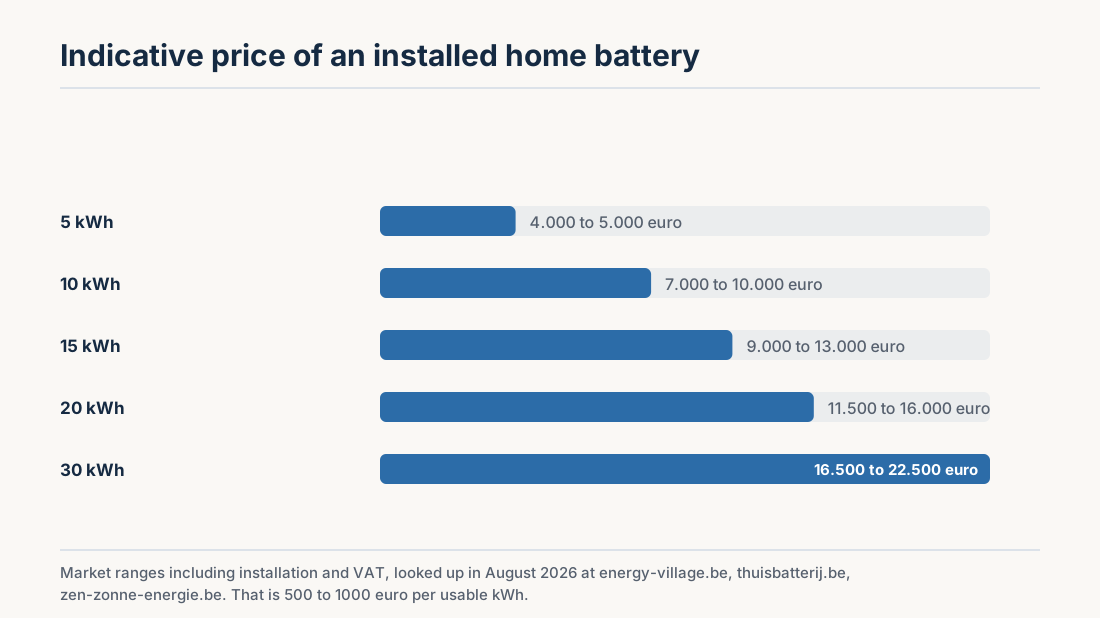
For example, a 10 kWh home battery system may cost approximately €7,800 incl. VAT, combining battery unit (€5,000), inverter (€1,200), installation (€1,500), and a recycling contribution (€100). This ensures no extra disposal fees arise at the end of life.
Why is recycling often free for consumers?
Extended Producer Responsibility requires manufacturers to finance battery collection and recycling, which relieves households from disposal costs.
How to know when home battery recycling is appropriate?
Recycling is necessary when batteries reach end-of-life or show issues such as swelling or leakage. Conversely, functional batteries safe for use may be better suited for reuse.
When should you recycle batteries immediately?
- Swollen or overheated batteries.
- Visible leakage or corrosion.
- Significantly reduced capacity.
These conditions create safety hazards requiring prompt disposal.
Are there alternatives to recycling?
Second-life uses prolong battery value by reusing them in less demanding applications. For homeowners with solar panels, combining reuse and recycling maximizes the overall battery lifecycle.
Can you perform home battery recycling yourself or do you need professional help?
Complete recycling cannot be performed at home as it demands industrial equipment and safety protocols. However, you can prepare batteries safely before taking them to certified collection points.
How to safely prepare batteries for disposal at home?
Follow these steps for safe handling before transport:
- Store batteries in a dry container.
- Cover terminals with tape to prevent sparks.
- Keep damaged batteries separate.
- Bring them to an official Bebat collection point.
These precautions minimize fire risk during transportation.
Where can you find battery disposal locations near you?
In Belgium, over 23,000 collection sites make battery recycling convenient. Facilities exist throughout urban areas, such as Brussels. When installing new systems, you can seek guidance from Soleva to align battery disposal with your energy setup.
Recycling your home batteries recovers valuable materials while keeping hazardous waste out of the environment. Thanks to free collection programs, strict EU regulations, and widespread recycling points, disposal is simple and accessible. To stay safe, store used batteries properly and bring them regularly to nearby certified collection centers. When planning new energy installations, consider consulting Soleva to ensure your system remains efficient and sustainable from installation through to recycling.
Frequently Asked Questions
Can you recycle batteries at home?
No, full battery recycling requires specialized facilities with industrial equipment and safety measures. You can safely collect and store batteries at home before bringing them to certified recycling points to prevent hazards and ensure proper material recovery.
How do I dispose of batteries in Belgium?
In Belgium, you dispose of batteries at Bebat collection points found in shops, schools, and recycling centers. These locations accept most battery types and operate under national compliance schemes. Disposal is free and widely available.
What does home battery recycling cost?
Recycling costs are generally included in the battery’s purchase price, so consumers rarely pay additional fees. This system is funded by producer responsibility schemes mandated by EU regulations.
How can I recycle batteries safely at home?
Recycle safely by storing batteries in dry containers, taping their terminals to prevent short circuits, and separating damaged units. Then, transport them to certified collection points for proper recycling.
Why is the EU Battery Regulation important for recycling?
The EU Battery Regulation establishes minimum efficiency and material recovery targets to improve environmental protection and resource management. These rules create a transparent framework for safe and sustainable battery lifecycle handling.
Indicative prices for the Belgian market, checked in August 2026 against energy-village.be, thuisbatterij.be and zen-zonne-energie.be. These are market ranges for an installed system including VAT, not a quotation: your price depends on capacity, brand and the state of your existing installation.
Read also
Ready to cut your energy bill?
Compare quotes for solar panels, home batteries and charging points.