Solar panels Belgium
solar panel cleaning price and guide
Cleaning solar panels restores lost energy output by removing dirt, dust, and bird droppings that block sunlight and reduce solar panel efficiency by 4 - 7% annually. This process becomes especially important when your panels show visible signs of contamination or when you notice a drop in energy production, particularly in urban or agricultural settings. You will gain practical insights to maintain optimal system performance efficiently.
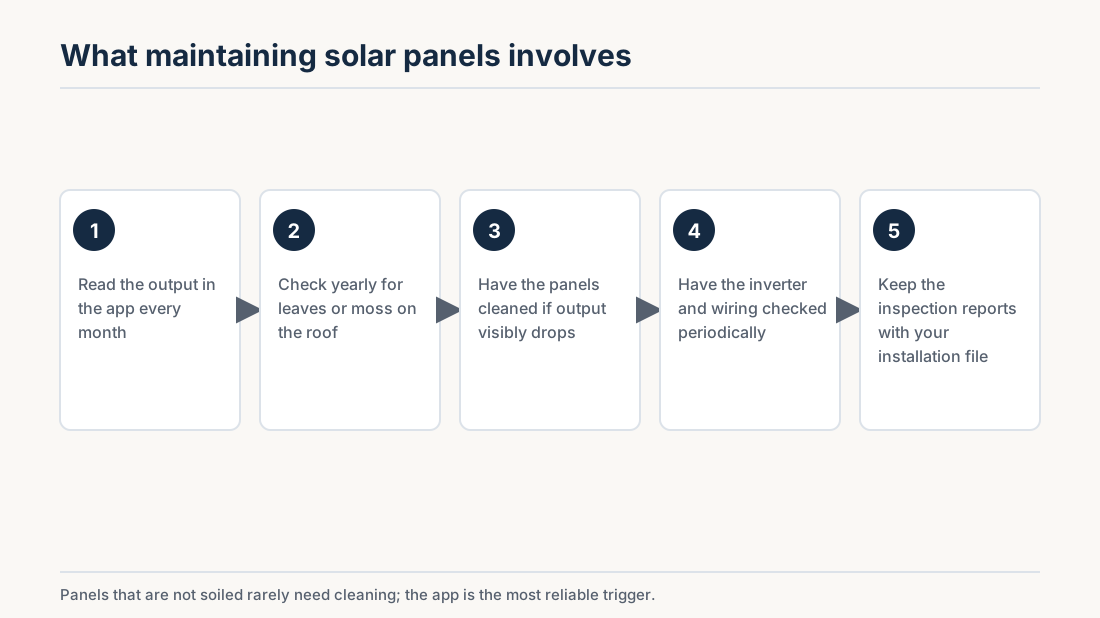
This guide explains how solar panel cleaning works, its typical costs, when it makes sense to clean, and which cleaning methods suit your situation best.
What is solar panel cleaning and how does it improve your system?
Solar panel cleaning refers to the removal of accumulated dirt and contaminants from the panel surfaces to restore electricity production and help protect the panels’ lifespan. Dust, soot, pollen, and bird droppings block sunlight and cause uneven heating patterns called hotspots, which can damage photovoltaic cells over time.
Research from the IEA PVPS highlights annual energy losses of 4 - 7% due to soiling. In heavily polluted or agricultural areas, energy losses can reach 15% or more, directly reducing your return on investment.
Consistent light exposure is crucial for panels installed as part of a complete solar panel system. Even small amounts of dirt reduce efficiency because photovoltaic cells require uniform sunlight to operate effectively.
Which contaminants most affect solar panel performance?
The most harmful contaminants create sticky or opaque layers on the panels, reducing light transmission and increasing heat buildup.
- Bird droppings cause concentrated shading and form hotspots
- Fine dust and soot build a uniform layer that lowers energy output
- Pollen accumulates seasonally and adheres during rain
- Grease films in agricultural environments diminish transparency
Is rainfall sufficient to clean solar panels?
Rainfall typically removes loose dust but leaves behind mineral deposits and stubborn dirt. Minerals such as calcium and magnesium in rainwater cause streaks and reduce panel transparency once dry.
Manual or professional cleaning effectively removes these residues. Using osmosis water is especially beneficial as it leaves no limescale or mineral deposits.
How does the solar panel cleaning process work step-by-step?
The cleaning procedure follows a careful approach designed to protect both the solar panels and the person performing the cleaning. This process applies to both DIY solar panel cleaning and professional services.
Step 1: Perform inspection and shut down the system
Begin by visually inspecting the panels for any cracks, loose cables, or heavy contamination. The solar system should be switched off to avoid electrical hazards during cleaning.
Step 2: Remove dry debris
Use a soft brush or an air blower to clear loose dirt such as leaves and dust. Removing debris beforehand prevents scratching the panels during wet cleaning.
Step 3: Conduct wet cleaning using deionized water
Clean the panels gently with low-pressure water and soft brushes. Professionals often use purified water systems that prevent any residue forming on the surface.
Step 4: Rinse and dry panels streak-free
Rinse the panels with osmosis water, which dissolves remaining particles and dries without leaving stains. This step maximizes light transmission for optimal efficiency.
Step 5: Final inspection and performance monitoring
After cleaning, evaluate panel performance. Monitoring tools linked to your solar energy setup help verify improved energy output following the cleaning session.
Which price ranges apply to solar panel cleaning services?
The cost of solar panel cleaning depends on the number of panels, roof accessibility, and contamination severity. Cleaning residential systems generally costs less compared to industrial-scale solar panel cleaning projects.
Typical price ranges are as follows:
- Small systems with 6 - 10 panels: €100 - €150 incl. VAT
- Medium systems with 10 - 20 panels: €150 - €250 incl. VAT
- Large systems of over 20 panels: €250 - €400 incl. VAT
Example calculation for a standard home system
Consider a home with 12 solar panels requiring professional cleaning:
- Base cleaning service: €140
- Roof access equipment: €40
- Use of osmosis water: €20
- Inspection and performance reporting: €30
The total cost approximately equals €230 incl. VAT.
These costs align closely with the size of a residential solar panel installation, as more panels generally increase labor time and cleaning resources.
When should you choose to clean your solar panels and when is it unnecessary?
Cleaning solar panels is advisable when visible dirt or performance drops occur. If your panels remain clean and output is stable, cleaning might not be necessary.
How often should you clean your solar panels?
Cleaning frequency depends on your environmental exposure:
- In urban or industrial settings: clean every 6 months
- In agricultural zones: clean 2 - 4 times per year
- In areas with low pollution: clean once per year
When is solar panel cleaning not required?
Cleaning is not needed if panels show no visible dirt and maintain consistent energy production. Excessive cleaning can increase the risk of micro-scratches on panel surfaces.
Automated cleaning solutions, like a solar panel cleaning robot, reduce the need for frequent manual cleaning, particularly in large installations.
What are the benefits of professional cleaning versus automated systems?
Automated systems, including solar panel cleaning machines and robotic devices, are well suited for extensive solar panel arrays. These systems lower labor demand while ensuring consistent cleaning schedules.
Although the initial investment for a solar panel cleaning robot is higher, operational expenses decline over time, making them cost-effective for industrial use.
Can you clean solar panels yourself, or should you hire a professional?
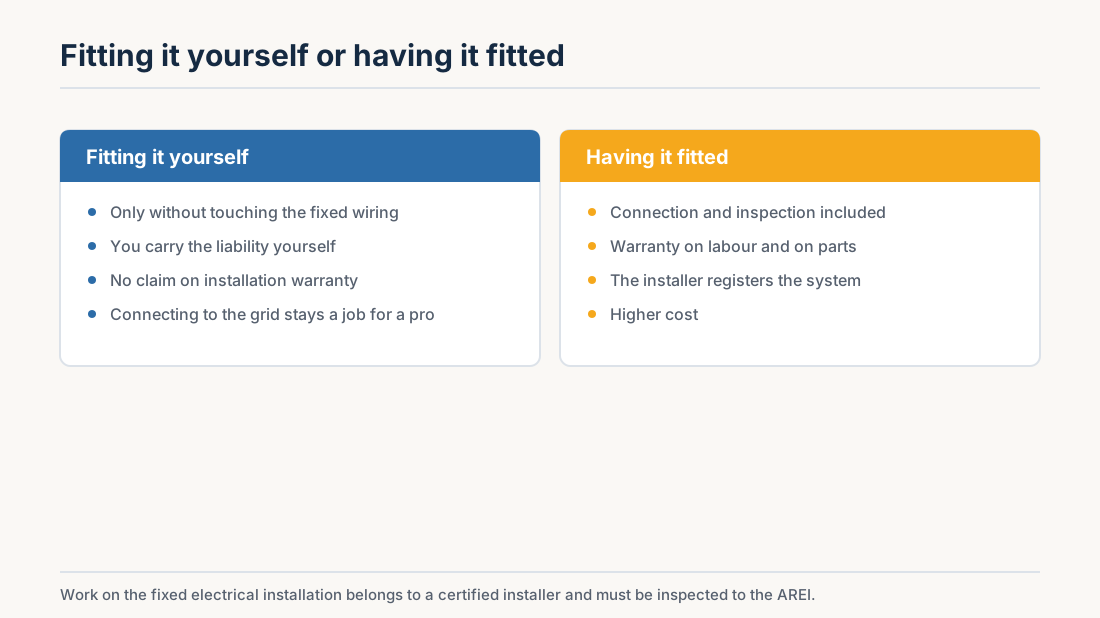
You can perform diy solar panel cleaning; however, safety hazards and equipment limitations may reduce cleaning effectiveness compared to professional services.
Which equipment is necessary for DIY solar panel cleaning?
A suitable solar panel cleaning kit contains tools designed to prevent damage to the panels:
- Soft brush or microfiber cloth
- Telescopic pole to safely reach roof panels
- Low-pressure water hose
- Mild soap or deionized water
What risks exist with DIY cleaning?
Cleaning panels on roofs involves risks such as falls and potential damage to the panels if improper tools are used. High-pressure washers can cause micro-cracks, diminishing panel lifespan.
Manufacturer warranties often require that professionals maintain the system, especially for solar panels installed through certified solar installation companies.
When is it best to hire professional solar panel cleaning services?
Professional cleaning is recommended for steep or difficult roofs, large solar systems, or when performance issues persist despite cleaning. If you search for solar panel cleaning near me, compare providers based on safety certifications and cleaning techniques. Using Soleva, you can request quotes from verified professionals to ensure reliable service.
Maintaining clean solar panels helps you improve energy output and prolongs system lifespan. Dirt accumulation reduces efficiency faster than many expect, especially in polluted or rural areas. Cleaning your panels once or twice each year makes a significant difference.
Begin by inspecting your panels visually and monitoring your energy production regularly. If you detect performance drops or observe significant dirt buildup, request multiple quotes through Soleva and compare professional cleaning options with DIY approaches. This strategy ensures your system stays efficient and safe without unnecessary risks.
Frequently Asked Questions
Do solar panels really need to be cleaned?
Yes, cleaning solar panels is necessary because dirt reduces sunlight absorption and creates uneven heating, which gradually lowers energy output. Areas with pollution or agricultural activity experience faster buildup. Regular cleaning maintains steady performance and avoids damage that affects efficiency and life expectancy.
What is the best way to clean solar panels?
The optimal cleaning method uses soft brushes along with deionized or osmosis water to eliminate dirt without leaving residue. This prevents streaks and protects the glass coating. Automated machines are effective for large panels, whereas manual cleaning suits smaller residential systems well.
Can I clean my own solar panels safely?
You can clean your own solar panels safely if you use appropriate tools and follow precautions. Employ a soft brush, low-pressure water, and secure roof access. Avoid cleaning on steep roofs or wet conditions. When access is challenging, professional cleaning services offer safer and more effective results.
What is the price of a solar panel cleaning service?
Cleaning service prices depend on the system size, roof accessibility, and dirt levels. Smaller residential setups cost less, while larger or complex roofs increase the price. Additional services such as performance checks may add to the total but enhance long-term reliability.
What is the best material to clean solar panels with?
Deionized water is the best cleaning solution because it removes dirt without leaving mineral residues. Mild soap can assist light cleaning, but harsh chemicals harm panel coatings and reduce efficiency. Professionals use filtered water and special brushes to achieve safe, streak-free results.
Indicative prices for the Belgian market, checked in August 2026 against energy-village.be, thuisbatterij.be and zen-zonne-energie.be. These are market ranges for an installed system including VAT, not a quotation: your price depends on capacity, brand and the state of your existing installation.
Read also
Ready to cut your energy bill?
Compare quotes for solar panels, home batteries and charging points.